


Simulation Curriculum
For serious amateur astronomers and astrophotographers requiring precision equipment control and extensive celestial databases.
 SkySafari


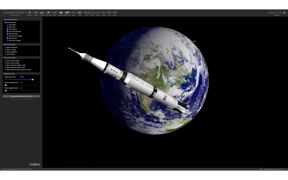


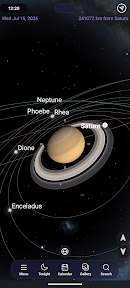


Snapshot
Who is Simulation Curriculum?
Empowering astronomers with high-precision celestial simulation and integrated telescope control for professional-grade observation.
Target audience


Portfolio
Last updated

SkySafari
v8.0.2
6mo ago
Publisher DNA
What defines Simulation Curriculum?
Publisher DNA
Primary focus
Professional-grade astronomy and telescope control utilities
Scale
indie
Target audience
Serious amateur astronomers and astrophotographers requiring precision equipment control and extensive celestial databases.
Signature Patterns
- •Tiered product strategy (Basic, Plus, Pro) to segment casual users from power users
- •Heavy emphasis on hardware interoperability, including ASCOM, INDI, and telescope control
- •Frequent version-based release cycle rather than a single evergreen app
- •Monetization via upfront paid downloads for professional tiers and subscriptions for the base app
Portfolio momentum
Released 11 updates across 5 active apps in the last 6 months, including the launch of the version 8 product line.
Portfolio
What does Simulation Curriculum ship?
Apps
7 apps analysed
3D Orbit Mode visualization provides a high-fidelity brand moat against basic star-charting tools
- Educational value of the night sky mapping features for casual stargazing and astrophotography planning
- Aggressive paywalling of features previously expected to be included in the initial purchase price


Professional-grade database depth for DSOs
- Native telescope control protocols (ASCOM, INDI)
Distributed across 10 markets, strongest in Europe.
Based on 3 of 7 apps with localized market data, more coverage rolling in as scans complete · last scanned .
Americas (3)
- Brazil3 / 3
- Mexico3 / 3
- United States3 / 3
Europe (5)
- France3 / 3
- Germany3 / 3
- Italy3 / 3
- Portugal3 / 3
- Spain3 / 3
Asia-Pacific (2)
- Japan3 / 3
- South Korea3 / 3
Core markets (3/3 apps)
User Sentiment
How do users feel about their apps?
0
Positive apps
0
Neutral / mixed
1
Negative apps
35/100
Avg sentiment score
Rivals
Who does Simulation Curriculum compete with?
The rivals identified
Nemeses(2)

Both apps target amateur astronomers and stargazers, competing for the same user base through distinct approaches to celestial mapping and hardware integration.


Sky Guide competes for the same amateur astronomy audience by offering a free, visually accessible alternative to the complex, subscription-gated professional toolset provided by SkySafari.
Contenders(13)


Sky Tonight competes for the same amateur astronomy audience by offering a lower barrier to entry through a one-time purchase model, directly challenging the subscription-gated monetization strategy of SkySafari.


This app acts as a specialized companion for specific astronomical events, complementing SkySafari's general-purpose mapping with event-specific utility.


Both apps target stargazing enthusiasts, but SkyView® captures the casual segment through a lower price point and intuitive AR identification, while SkySafari focuses on pro-level hardware integration.


Both applications target stargazing enthusiasts, with Star Gazer capturing casual users through a free model while SkySafari 7 Plus targets advanced hobbyists via hardware integration.


Light Pollution Map provides essential location planning data for stargazers, acting as a utility that supports the field observation sessions planned in SkySafari.


Both applications target stargazing enthusiasts, with SkySafari 7 Plus focusing on telescope hardware control while Star Guide targets casual identification through augmented reality.


Unistellar competes by bundling telescope control with citizen science research missions, directly challenging SkySafari's hardware integration utility for users who prioritize automated research over manual celestial mapping.


Both apps target stargazing enthusiasts, with Classic Sky Map 2 competing for casual users via a free, simplified interface that contrasts with the advanced simulation tools in SkySafari 7 Plus.


Both apps target telescope users for celestial navigation, though they diverge on hardware dependency and software-based control depth.


Bright Comets competes for the same amateur astronomer audience by offering specialized, free comet-tracking tools that bypass the subscription-gating found in SkySafari.


Both applications target astronomy enthusiasts, but Satellite Tracker 3D focuses on real-time satellite visualization while SkySafari 7 Pro provides deep celestial mapping and telescope hardware control.


Both apps target astronomy enthusiasts, but Star Tracker captures the casual segment via a free, augmented reality identification interface that contrasts with the complex, paid-tier structure of SkySafari.


Both applications target amateur astronomers with celestial databases and tracking tools, competing directly for the same hobbyist user base at a lower price point for the rival.
Same space(31)


This app targets the same hobbyist segment as SkySafari but captures broader reach through a freemium model that lowers the barrier for casual users.


Stargazing Hub combines sky mapping with imaging tools to assist astrophotographers in planning and reviewing shots.


Ouranos provides weather-based planning tools to ensure optimal observational conditions for stargazers.


Satellite Tracker ISS Live Map offers a focused utility for orbital mechanics and satellite pass forecasting.


Luminos Pro competes on technical depth, offering a massive database and immersive VR modes for advanced users.


Star Tracker Lite offers a simplified, visual-first interface for casual stargazers, avoiding the complexity of telescope control.


This utility targets the same casual astronomy audience as SkySafari but focuses on real-time AR identification instead of professional-grade hardware control.


A unique educational tool focusing on the 'Clock' and 'Orrery' perspective of time and space.


SatRadar utilizes NORAD telemetry to provide accurate, real-time satellite tracking for users.


Sky Map offers a high-performance star map with live activity features that compete with SkySafari's real-time observation tools.


Astronomy Magazine serves as an educational content source, offering articles and observing tips for all skill levels.


Lumen focuses on telescope setup and magnification guidance, serving as a beginner-friendly companion to SkySafari's advanced control features.


Totality targets the same niche astronomy audience with specialized eclipse mapping, functioning as a lightweight alternative to SkySafari's comprehensive database.


Night Sight Weather offers specialized weather planning for astrophotography, serving as a decision-support tool for users planning sessions in SkySafari.


Satellite Gazer provides real-time satellite tracking, though its development status is currently stagnant.


Cosmotrak provides a dedicated satellite tracking interface that complements SkySafari's general celestial mapping for users interested in orbital objects.


An advanced photography planner offering 3D terrain modeling for landscape and night sky alignment.


Astronomy & Space News functions as a knowledge hub for space science updates rather than an observational tool.


Telescope provides session planning and object identification for amateur astronomers, acting as a direct workflow tool for SkySafari users.


Lumos serves as a specialized planning tool for photographers and solar professionals, focusing on celestial positioning rather than general simulation.


iBird Pro functions as a specialized offline field guide for birding, sharing the same requirement for reliable, data-free identification tools as SkySafari users.


Spot the Station provides a focused utility for tracking the International Space Station, serving as a specialized companion to SkySafari's broader celestial mapping.


Collins Bird Guide acts as a premium digital reference for birding that mirrors the professional-grade, one-time purchase model used by serious astronomy apps.


nɛb.raɪ.ə offers a multi-sensory approach to stargazing, integrating haptic and auditory feedback into the experience.


Star Gazer focuses on the mythology and historical significance of constellations for educational entertainment.


The niche leader for astrophotography planning, focusing on camera settings and terrain-based alignment.


Telescopius provides technical planning tools for astrophotography, focusing on equipment framing and target search.


Staslink focuses on satellite tracking, providing a narrow utility for monitoring low Earth orbit objects.


Astronomy Sky Tonight combines observation tools with hardware procurement, targeting the same amateur astronomer demographic as SkySafari but with a commercial focus.


Gravity by Vaonis provides image processing for specific hardware, turning smartphones into smart telescopes.


Moon Tracker provides a focused utility for lunar cycle tracking, complementing general astronomy apps with specific lunar data.
New entrants(2)


StarWizard uses AI to provide plain-language answers to beginner questions about the night sky.


SkySync provides an ad-free, account-less utility for tracking celestial events and finding dark sky locations.
The Analyst's Read
The bottom line on Simulation Curriculum
Bottom line
Simulation Curriculum is a specialized leader in the astronomy vertical, successfully defending its technical niche through hardware-software synergy. Their disciplined focus on the 'prosumer' astronomer makes them a difficult incumbent to displace for any competitor lacking deep equipment integration capabilities.
Frequently asked questions
How many apps does Simulation Curriculum publish?
What kind of apps does Simulation Curriculum make?
What is Simulation Curriculum's top app?
In how many countries are Simulation Curriculum's apps available?
What fed this analysis
- Apps analyzed:
- 6
- With full intel:
- 1
- With overview:
- 6
- Website scraped:
- yes
- Social presence:
- yes