

Sinamon AB
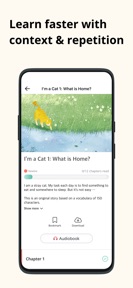
 Du Chinese: Read&Learn Chinese









Publisher DNA
What defines Sinamon AB?
AI intelligence is not yet available for Sinamon AB. The portfolio data below is up to date.
Portfolio
What does Sinamon AB ship?
Apps
2 apps analysed
Native audio integration across the entire library creates a consistent listening environment.
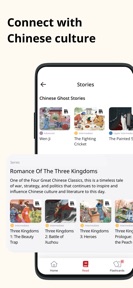
- Curated story library functions as a high-retention barrier for HSK-aligned learners.

Tiered story difficulty levels provide a manageable skill ramp for beginners and intermediate language students
- Clean user interface design allows learners to bookmark grammar points and vocabulary without visual clutter
- Subscription pricing is perceived as high relative to the volume of free content available
Single-market publisher, every app ships only to United States.
Based on 2 of 2 apps with localized market data · last scanned .
Americas (1)
- United States2 / 2
Core markets (2/2 apps)
User Sentiment
How do users feel about their apps?
1
Positive apps
0
Neutral / mixed
0
Negative apps
85/100
Avg sentiment score
Rivals
Who does Sinamon AB compete with?
The rivals identified
Nemeses(1)

Both apps target Mandarin learners, but Duolingo captures the casual segment through gamification while Du Chinese focuses on dedicated reading practice.
Contenders(10)


Tadoku competes for the same language-learning demographic by offering a similar tap-to-view reading experience, though it targets Japanese rather than Mandarin.


Both apps target Mandarin learners, but Chineasy focuses on character recognition through visual mnemonics while Du Chinese prioritizes reading comprehension via curated stories and native audio.


Both apps target Mandarin learners using freemium models, but HelloChinese captures the beginner segment through gamified lessons while Du Chinese focuses on reading immersion.


Both apps target Mandarin learners through reading and listening content, but BaoBao integrates gamified progression and spaced-repetition flashcards that Du Chinese currently lacks.


Both apps target the HSK certification market and Mandarin learners, creating direct competition for the same user base despite different pedagogical approaches.


Both apps target the same Mandarin learning audience with freemium models, but SuperChinese differentiates through AI-driven spaced repetition and gamified progression loops.


Both apps utilize tap-to-translate reading interfaces to build vocabulary in context, directly competing for the same language-learning user base.


TCB competes for the same Mandarin reading audience by offering a news-based curriculum that updates daily, directly challenging the curated story library model of Du Chinese.


Both apps target Mandarin learners, but they address distinct use cases: Du Chinese: Read&Learn Chinese focuses on long-term reading proficiency, while Learn Chinese - Mandarin serves as a utility for immediate travel and business communication.


Both apps target the same Mandarin learning audience, with ChineseSkill focusing on structured, game-based lessons for beginners while Du Chinese focuses on reading-based immersion.
Same space(6)


This app captures the test-prep segment of the Mandarin market, offering structured HSK, YCT, and BCT practice that Du Chinese lacks.


This app targets the entertainment-focused learner, using music as a hook for language acquisition rather than the curated stories used by Du Chinese.


This app targets the casual, beginner-level audience that Du Chinese loses due to its more serious, reading-focused content structure.


Ling serves as a broader language-learning alternative that captures users interested in multiple languages, including rare dialects, while Du Chinese remains focused on Mandarin reading.


This app competes by using generative AI to create personalized content, addressing the static library limitation of Du Chinese.


This app provides a hands-free audio alternative for learners who prefer listening-based study over the visual reading experience of Du Chinese.
