


Svetlana Nasonova
For early adopters of iOS hardware and users seeking specific physical measurement or diagnostic tools.
 Metal Detector and EMF Meter


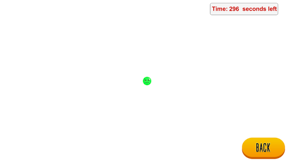
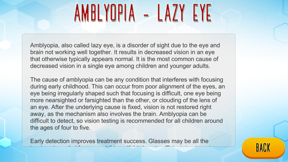



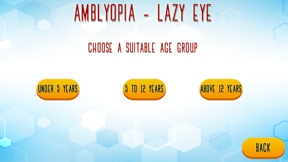
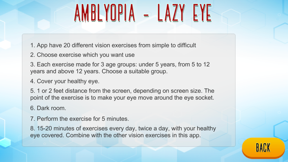



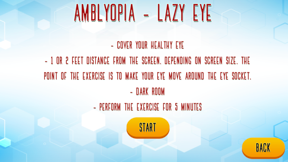


Snapshot
Who is Svetlana Nasonova?
Providing specialized utility and measurement tools for iOS users. Focused on niche sensor-based applications for physical and digital analysis.
Target audience


Portfolio
Free 8Last updated

Metal Detector and EMF Meter
v1.0
3.7y ago
Publisher DNA
What defines Svetlana Nasonova?
Publisher DNA
Primary focus
Utility and sensor-based productivity tools
Scale
indie
Target audience
Early adopters of iOS hardware and users seeking specific physical measurement or diagnostic tools.
Signature Patterns
- •Heavy reliance on iOS-specific hardware sensors like Lidar and TrueDepth.
- •Monetization primarily driven by subscription models.
- •Portfolio spans diverse, unrelated categories including medical, sports, and productivity.
- •High rate of app abandonment with limited long-term support.
Portfolio momentum
With 6 out of 8 apps classified as abandoned and only 2 releases in the last 6 months, the publisher maintains a low-velocity development cycle.
Portfolio
What does Svetlana Nasonova ship?
Apps


Distributed across 10 markets, strongest in Americas.
Based on 3 of 9 apps with localized market data, more coverage rolling in as scans complete · last scanned .
Americas (3)
- United States3 / 3
- Brazil1 / 3
- Mexico1 / 3
Europe (5)
- France1 / 3
- Germany1 / 3
- Italy1 / 3
- Portugal1 / 3
- Spain1 / 3
Asia-Pacific (2)
- Japan1 / 3
- South Korea1 / 3
Core markets (3/3 apps)
Rivals
Who does Svetlana Nasonova compete with?
The rivals identified
Nemeses(1)

Users report: Both apps target the same user base of adults and children managing amblyopia through home-based vision therapy. They compete directly on the therapeutic mechanism of guided eye exercises.
Contenders(7)


Both apps target users seeking vision improvement through guided exercises, competing for the same audience interested in non-clinical eye health management.


Both apps target vision-based rehabilitation, creating direct competition for users seeking clinical-grade eye training exercises. The shared focus on guided therapy protocols forces users to choose between a paid, specialized lazy eye tool and a free, symptom-responsive vestibular recovery app.


Both apps target the same patient population for amblyopia management, but they operate through distinct distribution channels: one as a direct-to-consumer paid app and the other as a professional-led clinical utility.


Both apps target users seeking vision improvement through exercises, creating direct competition for users evaluating non-invasive vision training methods.


Both apps target users seeking vision improvement through guided exercises, creating direct competition for individuals managing eye health.


Both apps target the same vision therapy market for amblyopia and utilize paid pricing models to deliver guided exercises.


Both apps target individuals seeking vision therapy for amblyopia, creating direct competition for users looking for accessible training tools.
Same space(19)


Uses specialized hardware sensors to monitor eye exercises, offering a more technical tracking approach than the source app.


Targets the same vision health demographic but prioritizes general eye fatigue management over specific lazy eye therapy.


Provides clinical-style exercises for amblyopia management at no cost, acting as a direct, non-monetized competitor.


Attempts to use AI-based tracking for eye exercises, directly competing with the source app's guided therapy.


Provides a broader eyesight recovery program that overlaps with the source app's guided therapy protocols.


Combines vision testing with workout programs, targeting the same preventative eye health market.


Directly addresses amblyopia with a mix of games and exercises, serving as a more gamified version of the source app.


Focuses on neuroscientific principles for eye-brain coordination, serving as a cognitive-heavy alternative to the source app.


Positions itself as a professional tool for opticians to supervise patient therapy, unlike the source app's self-guided model.


Focuses on the brain-eye connection for reading and fine detail, providing a cognitive-based alternative to physical exercises.


Targets the same clinical recovery niche but uses gamification and analytics to manage binocular vision therapy.


Uses Gabor patch methods for digital eye strain, serving as a gamified alternative to the source app's exercises.


Targets the same office-worker demographic but uses haptic feedback to guide exercises without screen focus.


Uses stereoscopic training to improve visual acuity, offering a more specialized technical approach to vision therapy.


Addresses the same audience of screen-heavy users by focusing on fatigue mitigation through relaxation.


Focuses on dynamic vision for sports and eSports performance rather than medical amblyopia treatment.


Offers a similar library of guided routines for eye relaxation, serving as a general wellness alternative.


Provides audio-guided therapy for eye muscle maintenance, targeting the same therapeutic wellness audience.


Uses Gabor patch technology and dynamic gratings for amblyopia, mirroring the source app's clinical approach.
New entrants(1)


Offers personalized daily plans for various vision conditions, including lazy eye, competing for the same wellness audience.
The Analyst's Read
The bottom line on Svetlana Nasonova
Bottom line
The publisher functions as a low-investment utility developer with a scattered product strategy. Their reliance on hardware-specific features suggests a opportunistic approach to the App Store rather than a commitment to a specific vertical.
Frequently asked questions
How many apps does Svetlana Nasonova publish?
What kind of apps does Svetlana Nasonova make?
What is Svetlana Nasonova's top app?
In how many countries are Svetlana Nasonova's apps available?
What fed this analysis
- Apps analyzed:
- 8
- With full intel:
- 0
- With overview:
- 8
- Website scraped:
- no
- Social presence:
- yes
