

Thetawave AI
 ThetaWave-AI Study Notes






Publisher DNA
What defines Thetawave AI?
AI intelligence is not yet available for Thetawave AI. The portfolio data below is up to date.
Portfolio
What does Thetawave AI ship?
Apps
2 apps analysed

Analysis in progress


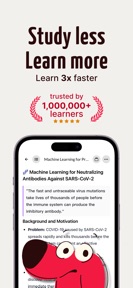
Focus room feature provides a productive environment that helps students maintain concentration during long study sessions
- AI-generated study notes simplify complex academic material into formats that improve student comprehension and grades
- Subscription costs create a significant barrier for students who lack external financial support or parental assistance
Single-market publisher, every app ships only to United States.
Based on 1 of 2 apps with localized market data, more coverage rolling in as scans complete · last scanned .
Americas (1)
- United States1 / 1
Core markets (1/1 apps)
User Sentiment
How do users feel about their apps?
1
Positive apps
0
Neutral / mixed
0
Negative apps
75/100
Avg sentiment score
Rivals
Who does Thetawave AI compete with?
The rivals identified
Nemeses(1)

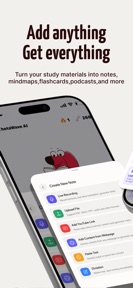
Both apps target students requiring AI-driven study aids, with Quizlet's massive user-generated content library competing directly against ThetaWave's automated note-generation from diverse media inputs.
Contenders(17)


Both apps target students and professionals by converting study materials into interactive practice tests and flashcards. They share a core value proposition of automating study preparation through AI-driven document processing.


Both apps target students needing AI-driven homework and study assistance, competing for the same user base through automated media-to-study-material workflows.


Both apps target students managing academic workloads, with ThetaWave focusing on content synthesis while the rival centers on timetable organization.


Both applications target students by converting uploaded lecture materials and PDFs into study aids, competing directly for the same academic workflow.


Both apps target students and professionals by converting PDFs, audio, and images into AI-generated study materials, creating direct competition for the same user base.


Flashka and ThetaWave-AI Study Notes both target students by converting diverse media inputs like PDFs and photos into AI-generated study materials, creating direct competition for the same academic user base.


Both applications target students seeking AI-driven study aids, with direct overlap in PDF and image-to-flashcard conversion capabilities.


Both apps compete for the student demographic by providing AI-driven academic assistance, specifically targeting homework help and study material synthesis.


Both apps target students needing AI-driven study tools, but Knowunity captures a larger user base through a community-shared note library that ThetaWave-AI lacks.


Both applications target students and professionals requiring study tools, with Flashcards Maker! focusing on spaced repetition while ThetaWave-AI Study Notes provides AI-driven synthesis of diverse media inputs.


Both applications target university students by converting lecture materials and documents into study aids like flashcards and quizzes. They share a core functional overlap in AI-driven content summarization and automated study tool generation.


Both applications target students by converting study materials into flashcards and quizzes, competing for the same academic productivity user base.


Both apps target students needing study tools, with Flashcards: AI note cards competing for the flashcard-focused segment of the ThetaWave-AI user base.


Both apps target students by converting multi-modal course materials like PDFs and videos into AI-generated study aids, competing directly for the same user base seeking to reduce study time.


Both applications target students by automating the creation of study materials like flashcards and summaries from uploaded academic content.


Both apps target students by converting multi-modal inputs like videos and PDFs into study materials, creating direct competition for academic productivity.


Both apps target students by converting multi-modal inputs like video, audio, and documents into structured study materials such as flashcards and quizzes.
Same space(30)


MindMap AI competes by offering automated synthesis of dense academic documents into visual mind maps.


Offers visual knowledge mapping for research and study, acting as a companion to text-based notes.


Easy Study functions as a planning companion for students who need to organize their study cycles alongside their content synthesis.


Targets the same student user base for homework assistance but focuses on step-by-step problem solving for STEM subjects.


StudyFlow acts as a planning tool for students who need to manage their study sessions and deadlines alongside their content synthesis.


Offers a similar AI-assistant workflow for converting media into notes and flashcards for students.


Headway competes for the same student and professional attention by converting non-fiction content into 15-minute audio summaries.


Deepstash captures the same user base by offering bite-sized knowledge cards that replace deep-dive study with microlearning habits.


Manages the academic workflow and study sessions, complementing content-focused note-taking.


Provides a similar AI-driven transformation of study materials into flashcards and quizzes for exam preparation.


Mind Map Maker provides a simple, minimalist alternative for students who need basic visual brainstorming tools.


Serves the same student demographic but focuses on audio-to-ink synchronization rather than AI-first note generation.


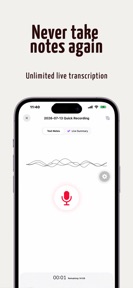
Targets the same long-form audio documentation niche but focuses on live transcription for lectures and meetings.


Knowt is a direct competitor that integrates AI-native note taking and flashcard generation into a single study suite.


Addresses the same need for automated documentation but focuses on meeting transcription rather than study-specific note organization.


Focuses on the same exam preparation workflow by generating quizzes and flashcards from lecture materials.


LangLearn competes for the same student time budget by using AI-driven curriculum adaptation to build a personalized language learning habit.


My Study Life offers a complementary scheduling layer for students who use ThetaWave for content synthesis but need a central planner for deadlines.


Converts study materials into audio formats, providing an alternative study method for students on the go.


Flashcards by NKO provides a gamified alternative for students who find traditional flashcard flipping monotonous.


Provides visual note-taking and brainstorming, serving as an alternative for students who prefer diagrams over linear notes.


Captures the same professional and student audience for documentation but relies on dedicated hardware for audio fidelity.


Automates the creation of practice assessments, serving as a tool for students to test retention of study materials.


Supports the same student audience by managing the review schedule rather than the content creation itself.


Gizmo serves the same student demographic by automating flashcard creation from diverse media, though it relies on gamified hearts to drive engagement.


Focuses on the memorization phase of study, using AI to create flashcards from user content.


Voice Recorder: AI Note Taking targets the same professional and student audience by automating transcription and summaries for audio inputs.


Mindzy competes for the same study-prep time by generating personalized quizzes from specific source links.


Offers visual organization for students and professionals, complementing note-taking by providing structural mind mapping.


MindSpace serves the same visual organization need for students who want to structure their knowledge using mind maps.
New entrants(3)


BudStudy provides a privacy-focused planning alternative for students who want to manage their academic semester without account sign-ups.


EExam targets the same audience by automating the creation of exams and quizzes from diverse inputs like recorded lectures.


Provides a visual workspace for structuring information, acting as a privacy-focused alternative for mind mapping.
