


Tulip Tech AB
 Pixa - My Year in Pixels




Snapshot


Publisher DNA
What defines Tulip Tech AB?
AI intelligence is not yet available for Tulip Tech AB. The portfolio data below is up to date.
Portfolio
What does Tulip Tech AB ship?
Apps
4 apps analysed

Widget integration reduces 30-day churn
- Minimalist interface supports brand retention

Ad-free experience sustains organic engagement
- Customizable color-coded logging allows users to track diverse habits and moods with visual clarity
- Strict two-log limit in the free version restricts utility for users wanting to track multiple habits

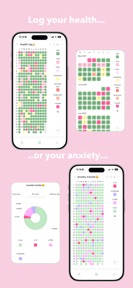
Track your mood, habits & daily life with a colorful Year in Pixels tracker.


Analysis in progress
Distributed across 10 markets, strongest in Europe.
Based on 3 of 4 apps with localized market data, more coverage rolling in as scans complete · last scanned .
Americas (3)
- United States3 / 3
- Brazil1 / 3
- Mexico1 / 3
Europe (7)
- France1 / 3
- Germany1 / 3
- Italy1 / 3
- Netherlands1 / 3
- Portugal1 / 3
›+2 more europe markets
- Spain1 / 3
- Sweden1 / 3
Core markets (3/3 apps)
User Sentiment
How do users feel about their apps?
1
Positive apps
0
Neutral / mixed
0
Negative apps
65/100
Avg sentiment score
Rivals
Who does Tulip Tech AB compete with?
The rivals identified
Nemeses(1)

Both apps target users seeking daily reflection and habit tracking, with Journal capturing the same audience through native iOS integration.
Contenders(10)


Both apps target the Year in Pixels mood tracking niche, utilizing pixel-based visualizations to help users identify emotional patterns over time.


Both apps target the Year in Pixels mood and habit tracking market, utilizing grid-based visualization for daily entries.


Mentalyze competes by offering a pixel-based mood tracking calendar and habit streaks, directly overlapping with the core visualization and tracking functionality of Pixa.


Both apps target users tracking long-term emotional health through yearly pixel-based visualizations and shared longitudinal analysis features.


Both apps target users seeking visual mood tracking and daily journaling, competing for the same audience interested in habit visualization.


Both apps target the mood and habit tracking market by visualizing daily entries as pixels, competing for users seeking long-term behavioral insights.


Both applications target productivity-focused users seeking personal data analysis, though they differ in their core mechanism of manual journaling versus passive background tracking.


Both apps target users seeking personal life documentation and habit tracking, competing for the same daily-use slot on the home screen.


Moodflow and Pixa both target users seeking daily mood and habit visualization through a year-in-pixels format.


Both apps target users seeking visual habit and mood tracking via pixel-grid calendars. They compete directly for the same audience by offering customizable yearly visualization tools.
Same space(19)


Provides a habit-logging platform that emphasizes satisfaction and ease of use for daily routines.


Provides a flexible habit tracking tool that includes focus-enhancing utilities like Pomodoro timers.


Shares the aesthetic-driven habit tracking space, focusing on quick logging to maintain user consistency.


Targets users seeking a minimalist habit tracker with widget support, overlapping with Pixa's home-screen utility.


Combines mood tracking with guided reflection questions, serving users who want more structure than Pixa's open-ended journal.


Competes for home-screen real estate by offering a minimalist, widget-first habit tracking experience similar to Pixa's visual focus.


Offers a manual mood-logging experience that serves as a simpler alternative to Pixa's comprehensive tracking suite.


Coexists with Pixa by providing specialized health tracking for menstrual cycles, which users often log alongside general mood and habits.


Gamifies the habit-tracking experience that Pixa users perform, using role-playing game progression to drive engagement.


Targets the habit-building market with a focus on templates and on-device intelligence, providing an alternative to Pixa's manual tracking.


Mirrors Pixa's core pixel-based mood tracking concept but emphasizes a strictly minimalist, local-only approach.


Targets the same productivity-focused audience as Pixa, but emphasizes structured programs and community challenges over simple pixel visualization.


Provides a broader journaling platform that overlaps with Pixa's daily entry features but adds productivity-focused goal tracking.


Shares the mood-tracking and habit-logging user base, though it focuses on icon-based logging rather than pixel-based visualization.


Uses a similar grid-based visualization to Pixa, but targets users who prioritize local-only privacy over cloud-based sync.


Provides low-barrier stress relief through fidget tools, complementing Pixa's tracking with immediate emotional regulation.


Focuses on the reflection aspect of Pixa, using guided prompts to encourage daily journaling habits.


Focuses on long-term habit modification through data visualization, providing a more analytical alternative to Pixa's visual pixel map.


Serves a specific clinical audience needing secure, offline-first symptom and medication tracking that exceeds Pixa's general tracking capabilities.
