Umito
For musicians, students, and hobbyists seeking portable digital instruments and chord-lookup tools for practice and composition.
 Mini Piano Lite




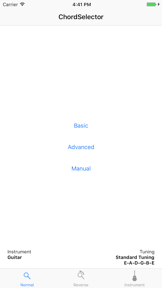
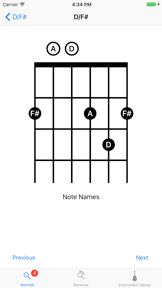


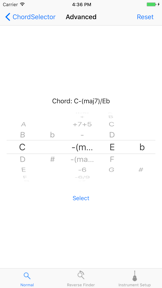
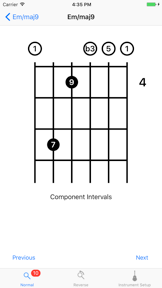


Snapshot
Who is Umito?
Providing musicians with high-fidelity digital piano tools and algorithmic chord-generation utilities for practice and composition.
Target audience


Portfolio
Free 4Last updated

Mini Piano Lite
v6.0.14
2mo ago
Publisher DNA
What defines Umito?
Publisher DNA
Primary focus
Music and reference utilities for musicians
Scale
indie
Target audience
Musicians, students, and hobbyists seeking portable digital instruments and chord-lookup tools for practice and composition.
Signature Patterns
- •Focus on high-fidelity audio and low-latency response for music utilities
- •Algorithmic approach to reference tools rather than static database reliance
- •Dual-tier monetization strategy offering both free ad-supported and paid pro versions
- •Cross-platform utility support for various stringed instruments and tunings
Portfolio momentum
Released 3 updates across 4 apps in the last 6 months, indicating a steady maintenance cycle for their core music and reference titles.
Portfolio
What does Umito ship?
Apps
8 apps analysed


Analysis in progress

Analysis in progress

The dynamic dictionary/reference app for piano chords and scales!


Analysis in progress
Distributed across 12 markets, strongest in Europe.
Based on 1 of 8 apps with localized market data, more coverage rolling in as scans complete · last scanned .
Americas (3)
- Brazil1 / 1
- Mexico1 / 1
- United States1 / 1
Europe (7)
- France1 / 1
- Germany1 / 1
- Italy1 / 1
- Netherlands1 / 1
- Portugal1 / 1
›+2 more europe markets
- Spain1 / 1
- Sweden1 / 1
Asia-Pacific (2)
- Japan1 / 1
- South Korea1 / 1
Core markets (1/1 apps)
Rivals
Who does Umito compete with?
The rivals identified
Nemeses(2)


It combines piano simulation with tile-based rhythm games to attract casual players.


Both applications target mobile musicians and hobbyists seeking portable piano interfaces, creating direct competition for the same user base on iOS.
Contenders(16)


Both apps target guitarists seeking practice tools, with the rival competing for the same user base through its chord library and song training features.


Both applications target musicians seeking digital piano experiences on mobile devices, though they diverge on pricing and feature focus.


Both applications target mobile musicians seeking a virtual piano interface, with the rival capturing a larger user base through a free-to-play model that competes directly with the paid offering of Mini Piano Pro.


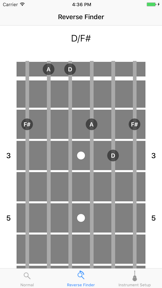
Both apps target guitarists seeking chord references, with GtrLib Chords offering a free, library-based alternative to Fretter's paid, algorithmic approach.


Both apps occupy the guitar utility category, though Fretter targets advanced theory and custom tunings while the rival focuses on beginner song-based instruction.


Both apps target musicians seeking technical knowledge, though Fretter focuses on guitar-specific chord generation while MyMusicTheory provides broad music theory training.


Both applications target hobbyists with an 88-key interface, but they diverge on monetization and feature depth for music practice.


Both apps target musicians seeking chord information, but they solve distinct problems: Fretter generates chord diagrams for custom tunings, while Chord ai transcribes chords from external audio sources.


Both applications target the mobile piano market with 88-key layouts, forcing users to choose between a one-time purchase for advanced production tools and a free, accessible entry point.


Both apps serve string instrument players seeking reference tools for chords and tuning, creating overlap for musicians who play both guitar and ukulele.


Both apps target musicians needing portable MIDI tools, with Mini Piano Pro offering a premium 88-key experience while the rival provides a free, FM-synthesizer-focused MIDI capture utility.


Both apps serve the music theory tool market by providing chord and scale references for composition and practice. They compete for the same user base of musicians seeking structural guidance for song creation.


Both apps target musicians seeking to improve instrument proficiency, with Fretter providing technical chord references and Waay providing the theoretical context for those chords.


Both apps target guitarists seeking chord references, but they diverge on the mechanism: Strum extracts chords from external media, while Fretter generates them via music theory algorithms.


Both applications target users seeking a portable 88-key digital piano experience, creating direct competition for users choosing between a professional-grade paid tool and a free, minimalist utility.


Tunefor competes for the same casual musician demographic by offering free instrument utility, though it focuses on tuning rather than chord theory.
Same space(21)


It provides a professional-grade synthesis alternative for users who prioritize sound quality over the simple piano interface.


Gitarre Stimmen provides basic utility for instrument maintenance, whereas Fretter focuses on complex chord generation.


Tonaly targets the same theory-focused audience as Fretter but expands into songwriting workflows and MIDI export capabilities.


It serves as a technical utility for users who need to troubleshoot MIDI connections for their instruments.


It targets producers interested in vintage hardware emulation rather than a standard piano experience.


It serves as a professional-grade production alternative for users who outgrow the simple instrument simulation of Mini Piano Pro.


It offers a similar touch-based piano experience but emphasizes rhythm-based gameplay for beginners.


It provides advanced virtual keyboard layouts for users who require more control than the standard interface.


It provides a similar instrument simulation experience but includes integrated video lessons for beginners.


It turns mobile devices into controllers for external hardware, serving a different use case than Mini Piano Pro.


It serves the same musician audience by providing a massive sheet music library that complements the performance tools found in Mini Piano Pro.


It serves as a comprehensive production environment for users who need more than just a piano interface.


It provides a tutorial-focused alternative for users seeking structured guidance on specific songs.


Afinador offers real-time chromatic tuning for instrument maintenance, acting as a functional companion to the chord reference engine in Fretter.


It targets the same hobbyist market with a focus on multiplayer competition and USB MIDI connectivity.


It acts as a specialized controller for physical hardware, serving a different segment than the standalone Mini Piano Pro.


It shares the rhythm-game audience but adds collaborative social features that differ from the standalone nature of Mini Piano Pro.


It offers a portable production environment for users who need multi-track sequencing beyond simple piano playing.


Ultimate Guitar serves as a primary reference for song-specific tabs, contrasting with the generative chord theory focus of Fretter.


It competes for the same casual user base by focusing on social competition and frequent song updates.


It serves a similar role for traditional Chinese music enthusiasts as Mini Piano Pro does for piano players.
New entrants(1)


It functions as a MIDI sound module and practice workstation for external hardware users.
The Analyst's Read
The bottom line on Umito
Bottom line
Umito is a specialized indie publisher with a clear product-market fit in the music utility space. Their ability to maintain a high-rated flagship piano app provides a stable foundation for their more niche, theory-based reference tools.
Frequently asked questions
How many apps does Umito publish?
What kind of apps does Umito make?
What is Umito's top app?
In how many countries are Umito's apps available?
What fed this analysis
- Apps analyzed:
- 4
- With full intel:
- 0
- With overview:
- 4
- Website scraped:
- yes
- Social presence:
- no