
UNBALANCE
For board game enthusiasts and students of Go, Chess, and Shogi seeking high-performance AI opponents for skill development.
 CrazyStone DeepLearning Pro








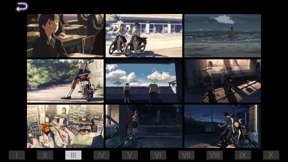

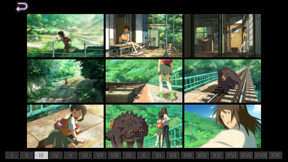





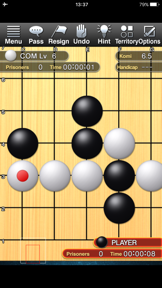

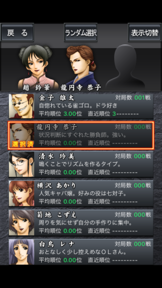


Snapshot
Who is UNBALANCE?
Providing high-fidelity digital adaptations of traditional board games and strategy titles powered by advanced AI for enthusiasts and learners.
Target audience


Portfolio
Free 42Last updated

CrazyStone DeepLearning Pro
v3.1.9
8mo ago
Publisher DNA
What defines UNBALANCE?
Publisher DNA
Primary focus
Digital board games and AI-driven strategy titles
Scale
studio
Target audience
Board game enthusiasts and students of Go, Chess, and Shogi seeking high-performance AI opponents for skill development.
Signature Patterns
- •Integration of proprietary AI engines (CrazyStone, Crazy Bishop) for competitive single-player modes.
- •Granular difficulty scaling across board games to accommodate both beginners and experts.
- •Monetization via a mix of ad-supported freemium models and dedicated premium 'Pro' editions.
- •Consistent focus on traditional Japanese and international board/card games.
- •High-frequency update cycle focused on maintaining AI performance and compatibility.
Portfolio momentum
The publisher maintains an exceptionally high development cadence with 21 releases in the last 6 months and a major update occurring within the last 5 days.
Portfolio
What does UNBALANCE ship?
Apps
77 apps analysed


Americas-centric footprint across 2 markets.
Based on 6 of 77 apps with localized market data, more coverage rolling in as scans complete · last scanned .
Americas (1)
- United States6 / 6
Asia-Pacific (1)
- Japan2 / 6
Core markets (6/6 apps)
User Sentiment
How do users feel about their apps?
1
Positive apps
2
Neutral / mixed
0
Negative apps
63/100
Avg sentiment score

Unlock the app dragging this portfolio down.
Access the full report for freeRivals
Who does UNBALANCE compete with?
The rivals identified
Nemeses(2)

Both apps target the riichi mahjong player base, with RiichiCity providing online multiplayer and character-driven progression while 100万人のための麻雀 focuses on offline, customizable single-player simulation.


Both apps target the palmistry market using automated photo analysis, but PalmHD captures a broader audience through a free-to-play model and additional divination services.
Contenders(7)


Both apps target the Japanese Riichi Mahjong audience, though they serve distinct player needs: active simulation versus educational utility.


Both apps target the palmistry market by using automated image analysis to generate personality and fortune readings. They compete directly for users seeking digital alternatives to traditional palmistry guidebooks.


Both apps target the palmistry-curious demographic using computer-vision palm analysis, forcing a direct comparison between a paid-up-front model and a freemium model.


Both apps target the riichi mahjong category, competing for users seeking single-player tile-based gameplay.


Both apps target the Japanese Mahjong player base, with the target app providing a full simulation environment and the rival providing specialized training modules for scoring and discards.


Both apps target users seeking AI-driven palmistry readings via camera input, creating direct competition for the same casual fortune-telling audience.


Both apps target the mahjong player base, but they serve distinct needs: one provides a full-game simulation environment while the other functions as a specialized strategy coach for hand analysis.
Same space(12)


This app targets the same audience but frames palmistry as a game for social entertainment rather than a serious predictive tool.


This app provides a social multiplayer alternative for users seeking live competition rather than the single-player simulation focus of the source app.


This app targets the same audience but rejects the camera-based automation of the source app in favor of manual user input.


This app caters to a specific regional variant, Malaysian 3-player style, which complements the source app's broader rule customization.


This app addresses the same user interest in palmistry but focuses on tracking changes in palm lines over time.


This app prioritizes visual immersion and authentic audio cues, appealing to users who value presentation over technical rule depth.


This app uses the same AI-based palm analysis premise but leverages third-party API integration to process palm lines.


This app competes for the same audience by bridging automated palmistry with human-led expert interpretations.


This app targets the same Japanese Mahjong demographic but utilizes a free, ad-supported model and a distinct control interface.


This app serves the same palmistry audience but uses a freemium model that creates friction between free access and paid results.


This app competes for the same palmistry user base by offering a free, social-focused alternative to paid automated tools.


This app targets the same fortune-seeking audience but shifts from palmistry to general psychic readings to avoid camera-based technical failure.
New entrants(1)


This app broadens the scope by combining solitaire and connect modes with traditional play, targeting casual players who prefer variety.
The Analyst's Read
The bottom line on UNBALANCE
Bottom line
UNBALANCE is a highly specialized studio that bridges the gap between casual board games and professional-grade AI training tools. Their disciplined focus on high-fidelity strategy engines provides a sustainable competitive advantage in the board game category.
Frequently asked questions
How many apps does UNBALANCE publish?
What kind of apps does UNBALANCE make?
What is UNBALANCE's top app?
In how many countries are UNBALANCE's apps available?
What fed this analysis
- Apps analyzed:
- 37
- With full intel:
- 0
- With overview:
- 37
- Website scraped:
- yes
- Social presence:
- yes