


Zhivko Gerasimov
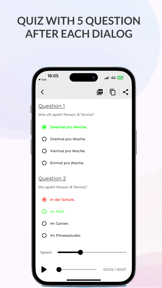
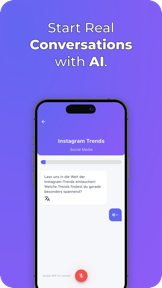
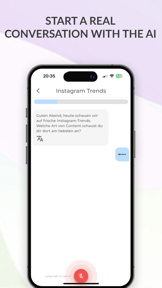
 Learn German AI Conversations












Snapshot


Publisher DNA
What defines Zhivko Gerasimov?
AI intelligence is not yet available for Zhivko Gerasimov. The portfolio data below is up to date.
Portfolio
What does Zhivko Gerasimov ship?
Apps
8 apps analysed

- Offline-first content access removes connectivity dependency



Analysis in progress

Analysis in progress

Engaging lesson content provides a sense of accomplishment for students progressing through the curriculum
- Language learners appreciate the intuitive design that makes improving German skills feel quick and accessible
- Aggressive subscription prompts and frequent advertisements interrupt the learning flow after the latest update

- Ad-free grammar reference model avoids subscription-gating
Distributed across 8 markets, strongest in Americas.
Based on 5 of 8 apps with localized market data, more coverage rolling in as scans complete · last scanned .
Americas (3)
- United States5 / 5
- Mexico2 / 5
- Brazil1 / 5
Europe (5)
- France2 / 5
- Italy2 / 5
- Spain2 / 5
- Germany1 / 5
- Portugal1 / 5
Core markets (5/5 apps)
User Sentiment
How do users feel about their apps?
1
Positive apps
1
Neutral / mixed
0
Negative apps
60/100
Avg sentiment score

Unlock the app dragging this portfolio down.
Access the full report for freeRivals
Who does Zhivko Gerasimov compete with?
The rivals identified
Nemeses(1)

Both apps utilize AI-driven conversational practice to build fluency, directly competing for learners who want to avoid the cost of human tutors.
Contenders(10)


Both apps target language learners using AI-driven conversation and feedback, competing for users seeking personalized, real-time language practice.


Both apps provide free AI-powered conversational practice, directly competing for users seeking real-time feedback on speaking and writing skills.


Both apps utilize AI-driven conversational practice to facilitate language acquisition, targeting users seeking personalized, interactive tutoring rather than static curriculum.


Both apps provide free AI-powered conversational practice for language learners, directly competing for users seeking automated speaking and writing feedback.


Both applications compete for language learners by utilizing AI-driven conversation and feedback loops to improve speaking and writing fluency.


Both apps utilize AI-driven conversation tutors to build speaking confidence, targeting language learners who require real-time feedback on their verbal output.


Both apps utilize AI-driven conversational practice to target language learners, competing for the same free-tier user base seeking personalized tutoring.


Both apps utilize AI-driven conversation practice to replace traditional language drills, directly competing for users seeking active speaking proficiency.


Both apps target language learners using AI-driven conversational feedback and writing exercises, competing for the same free-tier user base seeking daily practice.


Both apps provide AI-driven conversation practice for language learners, competing directly for users seeking real-time speaking feedback and automated language correction.
Same space(6)


Babbel targets the professional and high-intent segment, offering a structured curriculum that serves as a formal alternative to the AI-driven conversational practice of the source app.


Duolingo captures the top-of-funnel audience through gamified habit-forming loops, serving as a daily engagement anchor that complements the more specialized speaking focus of the source app.


Ling provides a massive language catalog that acts as a secondary resource for users who need to study languages beyond German.


Loora AI provides a high-fidelity conversational tutor experience, serving as a premium alternative for users focused specifically on English fluency.


Fluzy functions as a direct conversational alternative for users seeking natural speaking practice, though it focuses on English rather than German.


Pingo AI offers a similar AI-based conversational training model, serving as a direct functional peer for users prioritizing speaking confidence.
