







Booking.com is a global travel booking app for iOS and Android that aggregates hotels, flights, and car rentals into a single interface.
The App DNA
What makes this app unique?
Users hire the app to manage end-to-end trip logistics in one place, reducing the overhead of navigating multiple travel providers.
For Travelers seeking a centralized platform to manage end-to-end trip logistics, including lodging, transport, and local experiences.
What does it look like?
Key features
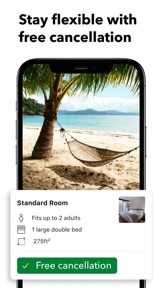
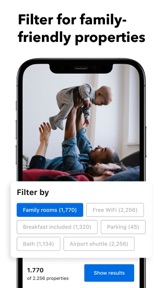
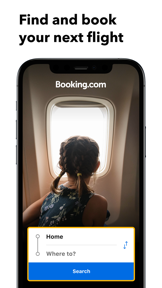
Centralized reservation system for accommodations, flights, car rentals, and airport taxis within a single interface
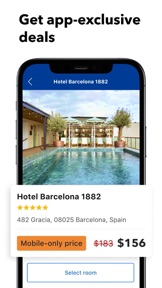
Exclusive pricing reductions of 10% or more applied to specific properties when booked via the app
In-app messaging channel allowing users to communicate directly with accommodation hosts
How much does it cost?
The app operates as a free-to-use booking portal, generating revenue through commissions on travel reservations rather than direct user subscription or ad-inventory.
Velocity
Maintenance developmentperformanceopaqueShow more...
The app maintains a maintenance-level cadence, averaging approximately 0.15 releases per week over the observed period. Development is currently focused exclusively on stability and performance, as all recent updates consist of generic bug fixes. The publisher utilizes opaque release notes, providing no visibility into specific feature development or user-facing changes. The current release cycle has remained stable but infrequent, with the latest version shipping over two months ago.
Who built it?
Booking.com
5 apps tracked · Travel
 Pulse for Booking.com Partners
 Pulse for Booking.com Partners
 BookingEvents
 Booking.com Events
User Sentiment
What do users think recently?
Recent user voice shows a mixed sentiment. Users appreciate the booking interface provides a quick and efficient way to secure travel accommodations globally and genius loyalty program benefits provide tangible cost savings for frequent travelers using the platform, but report automated customer service systems fail to resolve urgent booking issues and prevent human contact.
How are ratings & reviews evolving?
Weekly average review rating
What users say, by theme
- The booking interface provides a quick and efficient way to secure travel accommodations globally
- Genius loyalty program benefits provide tangible cost savings for frequent travelers using the platform
- The platform offers a wide selection of properties that generally meet or exceed traveler expectations
- Automated customer service systems fail to resolve urgent booking issues and prevent human contact
120 of 10460 recent reviews analyzed · high confidence · Mixed overall
Read the full review analysisUnlock 2 more frustration themes and 2 user requests, each backed by review evidence.
Access the full report for freeCompetition
Competitive landscape for Booking.com: Hotels & Travel
How's the Travel market?
Booking.com holds a #4 ranking in the US Travel & Local category, maintaining high visibility with over 7.8M total ratings across platforms. Its grossing rank lagging behind its free-download rank signals monetization friction relative to its discovery advantage.
Read the market outlookThe rivals identified

By GetYourGuide
Both apps target the same traveler demographic seeking to manage trip logistics, with GetYourGuide capturing the activity-specific segment that Booking.com attempts to address through its multi-category booking interface.
- GetYourGuide offers Reserve Now, Pay Later functionality, whereas Booking.com lacks this specific payment flexibility for activities.
- GetYourGuide provides exclusive Originals inventory, while Booking.com relies on third-party property listings for its activity catalog.
 Expedia: Hotels, Flights, CarsContender
 Trip.com: Book Flights, HotelsContender
 Hotels.com: Book hotels & moreContender
 Tripadvisor: Plan & Book TripsContender
 trivago: Compare hotel pricesContender
 Hopper: Flights, Hotels & CarsContender
 Priceline - Hotel, Car, FlightContender
 AirbnbContender

Unlock the head-to-head verdict: where this rival wins, and where it loses.
Access the full report for freeThe Analyst's Read
Key takeaways for Booking.com: Hotels & Travel
Where is it heading?
The travel aggregation market is consolidating around platforms that offer high-trust, loyalty-integrated experiences. Booking.com remains advantaged by its massive inventory, but its reliance on low-cost, automated support is failing to meet the service expectations of international travelers, so the platform faces a long-term retention risk if it does not pivot toward human-verified listing standards.
- Automated support failures (AI chat loops) drive high-friction experiences, which increases churn risk for users facing travel emergencies.
- Users report: Fraudulent property listings and hidden fees erode trust, leading users to seek more transparent, direct-booking alternatives.
The SWOT
- Global inventory depth functions as a barrier to entry for niche aggregators
- Mobile-only discounts drive direct acquisition
- 40-language support reduces friction for international users
- Offline voucher access would resolve a top user request
- Two-factor authentication beyond email would improve security
Next best moves
Audit AI support logic because high-frequency complaints cite AI loops as a churn driver → reduce support-related churn
+ 1 more prioritized moveThe counter-intuitive read
Users report: The platform's massive, open-inventory model is its greatest vulnerability…
Read the full takeFeature gaps
Unified loyalty rewards program (available in Expedia but missing here) +1
Since the last report: The platform has shifted its strategic focus from general maintenance to addressing critical service failures, specifically AI-driven support loops and listing fraud, which now dominate user complaints.
Bottom line
Booking.com defends its market lead through massive inventory depth, but the failure of its automated support to resolve critical booking issues creates a high-friction experience, so the PM must prioritize human-agent accessibility to prevent user migration to more reliable competitors.
Unlock 3 critical frictions, 2 market threats, 1 more prioritized move and the analyst’s take.
Access the full report for freeFAQ
Is Booking.com safe for international travel?
Does Booking.com charge extra booking fees?
How does Booking.com compare to Expedia?
Can I use Booking.com without an internet connection?
Sources
- [1] Play Store listing, source
Report last updated