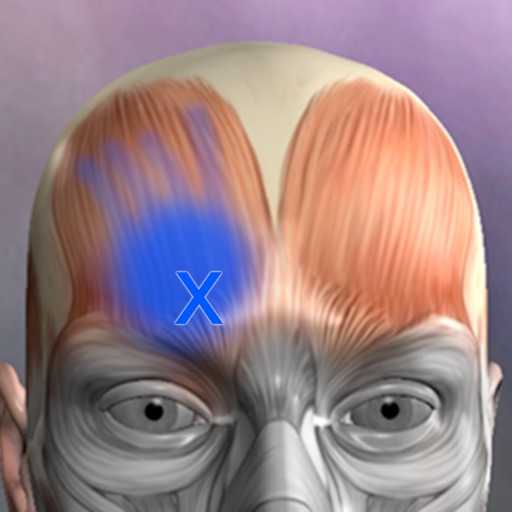

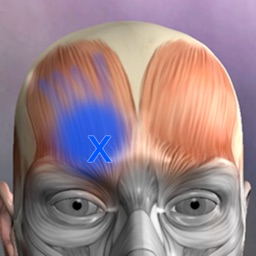


Muscle Trigger Points is a medical reference app for iOS that maps 160 trigger points and referral patterns for 108 muscles.
The App DNA
What makes this app unique?
Practitioners and students hire the app to quickly identify the source of muscular pain during clinical sessions, where speed and visual clarity are critical for patient education.
For Massage therapists, physical therapists, chiropractors, and anatomy students seeking a visual reference for muscular pain sources.
What does it look like?
Key features
Visual database of 160 trigger points and their associated pain referral patterns across 108 muscles
Library of 25 instructional videos demonstrating specific muscle release techniques
Area-based navigation allowing users to identify muscles referring pain to specific body regions
How much does it cost?
Paid model anchored at $4.99, targeting professionals and students with a one-time fee for a static reference library.
Velocity
Dormant developmentopaqueShow more...
The app has not received a single update in over three and a half years. With no release activity since October 2022, the development momentum is non-existent. The lack of any recent patches or feature deployments indicates the project is in a zombie state.
Who built it?
Real Bodywork
11 apps tracked · Medical
 Learn Muscles: Anatomy
 Dog Anatomy: Canine 3D
 Massage Techniques
 Horse Anatomy: Equine 3D
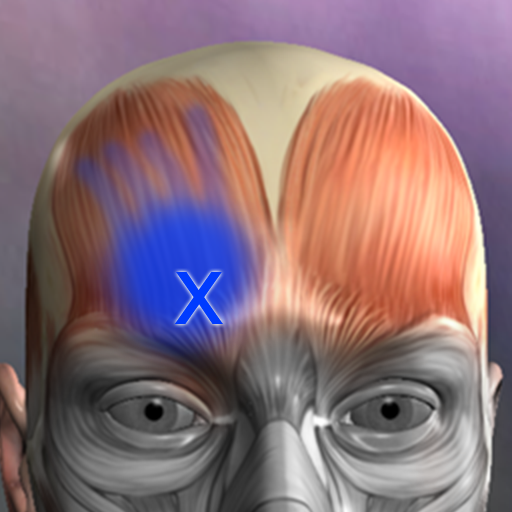 Muscle Trigger Point Anatomy
 Muscle & Bone Anatomy 3D
 Anatomy 3D - Organs
 Muscle and Bone Anatomy 3D
 Skeletal Anatomy 3D
 Anatomy Quiz Pro
User Sentiment
What do users think recently?
Review voice lately leans thrilled. Users appreciate visual anatomy graphics provide clear clinical reference for practitioners and students during patient education sessions.
How are ratings & reviews evolving?
What users say, by theme
- Visual anatomy graphics provide clear clinical reference for practitioners and students during patient education sessions
- Lack of guidance on the specific sequence or relationship between referred pain and trigger point locations
49 of 49 recent reviews analyzed · high confidence · Thrilled overall
Read the full review analysisUnlock 1 user request, each backed by review evidence.
Access the full report for freeCompetition
Competitive landscape for Muscle Trigger Points
How's the Medical market?
The app maintains a consistent presence in the Medical category, though its grossing rank fluctuates significantly across international markets (e.g., #49 Grossing in IL, #30 in SA). This volatility suggests the app relies on niche professional discovery rather than broad-market ad spend.
Read the market outlookThe rivals identified

By GraphicVizion
Both apps compete for the same clinical reference screen time among anatomy students and practitioners, despite their differing focus on trigger points versus acupuncture meridians.
- Visual Acupuncture 3D provides interactive 3D models, while Muscle Trigger Points relies on static image libraries.
- Visual Acupuncture 3D includes an integrated quiz system for students, which Muscle Trigger Points lacks.
- Visual Acupuncture 3D offers free access, whereas Muscle Trigger Points requires a $4.99 purchase.
 NYSORA Ultrasound PainContender
 Trigger Points - Guide & ReferenceContender
 Dry Needling GuideContender
 TCM Clinic AidContender
 The Atlas of Physical TherapyContender
Unlock the head-to-head verdict: where this rival wins, and where it loses.
Access the full report for freeThe Analyst's Read
Key takeaways for Muscle Trigger Points
Where is it heading?
The medical reference market is shifting toward immersive 3D visualization, leaving static tools like Muscle Trigger Points increasingly exposed to churn. The app must pivot toward diagnostic workflows to remain relevant, or it risks being relegated to a legacy reference tool.
- High user satisfaction (92/100 sentiment) confirms that the current reference-focused utility remains highly valued by the professional core.
- The lack of 3D interactivity creates a widening competitive gap, which will likely compress new-user acquisition as practitioners migrate to more immersive tools.
The SWOT
- Scientifically-validated content library establishes professional authority
- Minimalist interface enables rapid information retrieval during clinical treatments
- Video-based release techniques provide actionable utility
- Develop reverse-search diagnostic workflows
- Expand into wearable-integrated quick-reference tools
- Partner with physical therapy education programs
Next best moves
Ship reverse-search diagnostic tool because users request symptom-based identification → increase clinical utility
+ 1 more prioritized moveThe counter-intuitive read
The app's lack of 3D models is a strength, not a weakness…
Read the full takeFeature gaps
Interactive 3D anatomical models (available in Human Anatomy Atlas 2026 but absent here) +1
Since the last report: The app's competitive status has been downgraded due to a 42-month development freeze, shifting the focus from product growth to the risk of obsolescence against 3D-interactive rivals.
Bottom line
Muscle Trigger Points holds its professional niche through high-quality visual references, but it risks obsolescence against 3D-interactive competitors, so the PM should prioritize symptom-based reverse search to deepen clinical utility.
Unlock 3 critical frictions, 3 market threats, 1 more prioritized move and the analyst’s take.
Access the full report for freeReport last updated