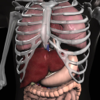

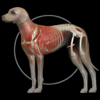
Real Bodywork
For medical students, massage therapists, and veterinary professionals seeking detailed anatomical visualization for clinical or academic use.
 Anatomy Quiz Pro


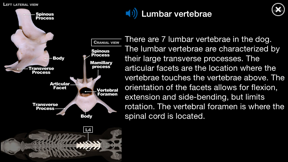


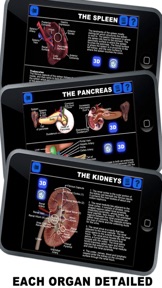








Snapshot
Who is Real Bodywork?
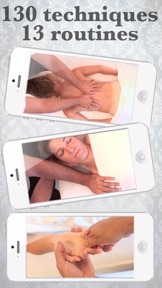
Interactive 3D anatomy references and instructional tools for medical students and professional massage therapists.
Target audience


Portfolio
Free 2Last updated

Anatomy Quiz Pro
v6.1.0
6mo ago
Publisher DNA
What defines Real Bodywork?
Publisher DNA
Primary focus
Medical education and massage therapy reference tools
Scale
indie
Target audience
Medical students, massage therapists, and veterinary professionals seeking detailed anatomical visualization for clinical or academic use.
Signature Patterns
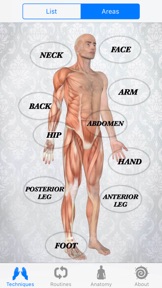
- •Heavy reliance on interactive 3D anatomical modeling for visualization
- •Monetization via one-time premium purchases for specialized clinical tools
- •Portfolio split between human medical education and veterinary anatomy
- •Content structured around specific therapeutic techniques like trigger point and myofascial release
Portfolio momentum
Released 2 updates in the last 6 months with the most recent major release occurring 13 days ago, indicating a maintenance-focused development cycle for core titles.
Portfolio
What does Real Bodywork ship?
Apps
11 apps analysed


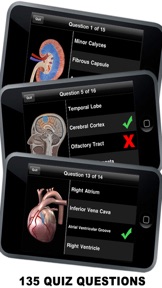
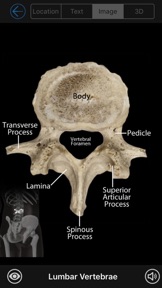
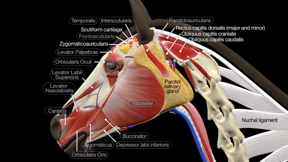
An interactive visual reference with over 300 anatomical structures and quiz.

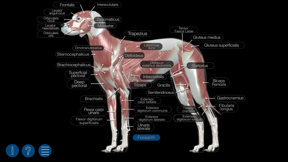


A fantastic 3d reference that includes over 300 structures and a quiz function.


Distributed across 6 markets, strongest in Americas.
Based on 5 of 11 apps with localized market data, more coverage rolling in as scans complete · last scanned .
Americas (2)
- United States5 / 5
- Mexico1 / 5
Europe (3)
- France1 / 5
- Germany1 / 5
- Spain1 / 5
Asia-Pacific (1)
- Japan1 / 5
Core markets (5/5 apps)
User Sentiment
How do users feel about their apps?
1
Positive apps
0
Neutral / mixed
0
Negative apps
92/100
Avg sentiment score

Rivals
Who does Real Bodywork compete with?
The rivals identified
Nemeses(4)


Both apps target medical students and health professionals with 3D anatomical models, creating direct competition for study time and reference utility.


Supports the same student demographic by offering a focused study tool for certification exams rather than general anatomical reference.


Both apps compete for the same clinical reference screen time among anatomy students and practitioners, despite their differing focus on trigger points versus acupuncture meridians.


Both apps target medical students and anatomy learners with interactive quiz functionality, creating direct competition for study time and user attention.
Contenders(23)


Targets the same professional and student demographic with high-fidelity 3D models, though it shifts the monetization model to recurring subscriptions.


Addresses the same clinical reference need through high-fidelity 3D dissection tools, positioning itself as a premium alternative to static atlases.


Offers a similar anatomical reference for medical students but adds pathology insights to bridge the gap between anatomy and clinical practice.


Both applications target medical students and health professionals with 3D anatomy visualization tools, creating direct competition for study and reference use cases.


Serves the same manual therapy audience by integrating specific textbook curriculum, functioning as a digital companion for musculoskeletal study.


Serves the same academic audience but shifts from static reference to interactive 3D models for institutional curriculum integration.


Both apps target the same audience of individuals and practitioners seeking to identify myofascial pain sources, competing directly on clinical reference utility and price.


Combines the same anatomical reference needs with integrated textbook content and assessment tools for a comprehensive study experience.


Both apps target anatomy students and professionals with 3D models and quiz functionality, though they focus on different biological subjects.


Both apps target individuals seeking massage education, though they diverge between amateur instructional content and professional practice development.


Both apps target medical students with free anatomy quiz content, creating direct competition for study time and user acquisition.


Both apps target individuals seeking self-administered health and wellness techniques, competing for the same user base interested in non-professional massage and reflexology.


Both apps target manual therapists and anatomy students by providing clinical reference tools for muscular pain and trigger point identification.


Both apps target medical students and anatomy learners, competing for study time through interactive anatomy memorization tools.


Both apps target clinical practitioners seeking diagnostic reference tools, creating competition for the same professional's limited time and budget.


Both apps target medical students and anatomy learners, competing for study time and device space within the medical education category.


Both apps target the massage therapy domain, though they serve distinct user needs: Massage Techniques focuses on practical instructional routines, while MB Learn targets professional certification exam preparation.


Both apps target medical students with free anatomy learning tools, creating direct competition for the same user base.


Both apps serve medical professionals requiring rapid visual clinical references during patient consultations, creating direct competition for clinical screen time.


Both apps compete for the attention of students and individuals interested in bodywork education within the massage therapy space.


Both apps target individuals seeking massage therapy information for personal use, creating direct competition for users searching for introductory massage education.


Both apps target physical therapists and students with clinical reference material, creating direct competition for point-of-care utility. They vie for the same professional audience seeking visual aids for patient diagnosis and treatment planning.


This app provides instructional content for acupressure and Qigong, offering a different therapeutic modality.
Same space(24)

known for AMTA Massage Anatomy Guide
Provides a free musculoskeletal reference for the same manual therapy audience, focusing on flashcards and landmark identification.


Visual Anatomy provides a medical reference tool, serving as a more advanced alternative to the source app's 3D model.


Full Code targets the same medical student and clinician demographic as Learn Muscles but shifts the focus from static anatomical reference to active clinical decision-making through simulation.

known for Massage Finder: Find In Home & Mobile Therapist
Serves the same professional ecosystem by acting as a directory for locating manual therapists rather than an educational reference tool.


Focuses on the same anatomical reference space but emphasizes movement mechanics and joint interaction through 3D animations.


Addresses the same chronic pain audience by offering a neuroscience-based approach to symptom relief rather than anatomical reference.


Glowbe focuses on wellness routines, shifting the target from general massage therapy to facial aesthetics.


Squeeze acts as a booking platform for physical spa visits, focusing on transaction convenience rather than instruction.


This app provides a reference tool for reflexology, offering a niche alternative to general massage techniques.


This audio-based study tool offers an alternative learning modality to the source app's visual content.


Operates in the adjacent chronic pain space, offering symptom tracking and trigger correlation to help users manage conditions like migraines.


This app targets anatomy learners through interactive biological simulations rather than the quiz-based memorization used by the source app.


BodyFlow provides instructional massage content, directly competing with the source app's library.


This app serves as a booking utility for a specific clinic, focusing on appointment management.


Painalog offers a diagnostic tool for trigger point therapy, providing a clinical approach to muscle pain.


The app targets a pre-literate demographic using voice-guided puzzles, contrasting with the medical student focus of the source app.


It serves as a broader learning resource for anatomy by combining visual information with interactive games for younger users.


TriggerPoints3D offers professional-grade software for trigger point training, serving as an advanced alternative.


Provides a digital rehabilitation tool for the same audience, focusing on doctor-designed routines for pain relief rather than anatomical mapping.


Targets the same professional reference market by digitizing clinical acupuncture point information for students and practitioners.


Targets the same student audience with interactive 3D models, using augmented reality to provide a spatial learning experience.


This service marketplace provides professional treatments, offering an alternative to self-administered massage.


This app provides instructional content for acupressure and Qigong, offering a different therapeutic modality.


Zeel operates a professional service marketplace, contrasting with the instructional focus of the source app.
New entrants(2)


Restore Wellness provides a booking platform for in-home professional massage, contrasting with self-instruction.


This marketplace for booking professional therapists serves as an alternative to self-administered techniques.
The Analyst's Read
The bottom line on Real Bodywork
Bottom line
Real Bodywork is a specialized indie publisher with a strong reputation in the medical reference niche, particularly for musculoskeletal health. Their high weighted rating suggests deep product-market fit among professional bodyworkers, though their low active app ratio indicates a strategy of long-term maintenance for a few high-performing legacy titles.
Frequently asked questions
How many apps does Real Bodywork publish?
What kind of apps does Real Bodywork make?
What is Real Bodywork's top app?
In how many countries are Real Bodywork's apps available?
What fed this analysis
- Apps analyzed:
- 9
- With full intel:
- 1
- With overview:
- 9
- Website scraped:
- yes
- Social presence:
- no