




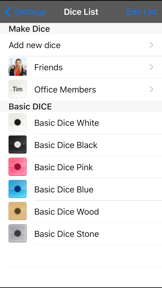


Make Dice is a 3D dice rolling utility for iOS and Android that allows users to create custom dice with text and photos.
The App DNA
What makes this app unique?
Users hire the app to facilitate decision-making and classroom learning activities through a tactile, customizable interface.
For Casual users and tabletop gamers looking for a digital decision-making tool or dice simulator for board games.
What does it look like?
Key features
Users can input custom text or upload photos from the device album to appear on dice faces
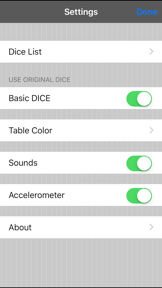
Dice roll animation triggered by device accelerometer or manual interaction
Selection of 6 dice colors and 5 table colors, with support for custom background photos
How much does it cost?
The app utilizes a direct paid-purchase model on iOS, contrasting with the free-to-play model on Android.
Velocity
Steady developmentShow more...
5 versions in history. Development pace: steady.
Who built it?

User Sentiment
What do users think recently?
Review voice lately leans mixed. Users appreciate customizable dice allow educators to create tailored learning activities for classroom speech and language sessions.
How are ratings & reviews evolving?
What users say, by theme
- Customizable dice allow educators to create tailored learning activities for classroom speech and language sessions
- Interface design inconsistencies and unintuitive navigation hinder the setup of custom dice across different device types
15 of 15 recent reviews analyzed · moderate confidence · Mixed overall
Read the full review analysisUnlock 1 user request, each backed by review evidence.
Access the full report for freeCompetition
Competitive landscape for Make Dice
How's the Lifestyle market?
Make Dice maintains a presence in the Paid category across multiple international markets, including Singapore (#6) and Japan (#58). The discrepancy between the iOS paid model and Android free model complicates the brand's ability to compete with ad-free utility incumbents.
Read the market outlookThe rivals identified
Unlock the deeper market read.
Access the full report for freeThe Analyst's Read
Key takeaways for Make Dice
Where is it heading?
The utility dice market is consolidating around minimalist, ad-free experiences that prioritize speed, leaving Make Dice exposed to churn. The app must transition from a general-purpose tool to a specialized educator resource to avoid being displaced by simpler, free alternatives.
- Technical instability during dice creation disrupts the classroom experience, which leads to negative sentiment among the app's most frequent users.
- The ability to import personal images onto dice faces drives high student motivation, securing the app's position in the educator niche.
The SWOT
- 3D-rendering engine provides immersive visual experience
- High-utility niche among educators creates loyal segment
- Education partnerships as B2B distribution channel
- Wearable integration for remote dice triggering
Next best moves
Pivot the roadmap to prioritize educator-requested features like password protection because it is the primary high-frequency use case → increase retention.
+ 1 more prioritized moveThe counter-intuitive read
The app's technical instability is a feature, not a bug…
Read the full takeFeature gaps
Minimalist, ad-free interface (available in Dice. but missing here) +1
Since the last report: The app pivoted its positioning toward the educator niche while introducing a paid iOS tier and facing new technical stability complaints.
Bottom line
Make Dice holds a niche lead among educators through its customization features but bleeds casual users to minimalist rivals, so revenue growth hinges on formalizing the B2B education channel and fixing the technical instability that disrupts classroom sessions.
Unlock 3 critical frictions, 2 market threats, 1 more prioritized move and the analyst’s take.
Access the full report for freeReport last updated