

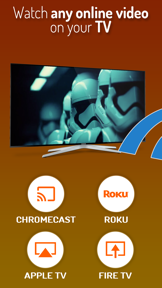


iWebTV PRO is a media casting utility that streams online video content directly to smart TVs and streaming devices, including Chromecast, Roku, Fire TV, Apple TV, and Samsung TVs. Unlike screen mirroring, it transmits the actual video stream to the hardware, supporting resolutions up to 4K and live streams.
Overview · Full Intel report in progress
The App DNA
What makes this app unique?
For Users seeking to cast web-based video content from mobile devices to a wide range of connected TV hardware.
What does it look like?
Key features
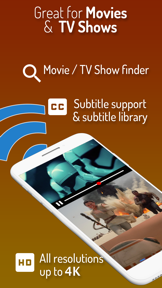
Sends the actual video stream to the TV rather than mirroring the device screen, resulting in higher image quality.
Includes a built-in browser with ad blocking, popup management, multiple tabs, and bookmarking capabilities.
Features auto-detection for subtitles and access to a dedicated movie and TV subtitle library.
Allows users to queue multiple videos for continuous playback.
How much does it cost?
Velocity
Intense developmentShow more...
5 versions in history. Development pace: intense.
Who built it?
Swishly
5 apps tracked · Photo & Video
 Cast Web Videos to TV - iWebTV
 Web Videos for Google Cast™
 Cast Web Videos to Roku TV
 Photo Video Cast to Chromecast
User Sentiment
What do users think recently?
How are ratings & reviews evolving?
Not enough recent reviews to extract reliable themes yet.
Read the full review analysisCompetition
Competitive landscape for iWebTV PRO
How's the Photo & Video market?
The rivals identified

By Kraus und Karnath GbR 2Kit Consulting
Both applications target users casting web-based video to TV hardware, competing for the same audience seeking to bypass native app limitations.
- Rival includes a remote playbar for shared-room control, which is absent in iWebTV PRO.
- Rival provides built-in ad-blocking capabilities for web content, whereas iWebTV PRO focuses on stream transmission.
- Rival supports iCloud sync for power users, a feature not currently offered by iWebTV PRO.


Unlock the head-to-head verdict: where this rival wins, and where it loses.
Access the full report for freeThe Analyst's Read
Key takeaways for iWebTV PRO
Where is it heading?
Bottom line
iWebTV PRO differentiates itself by offloading the video stream to the TV hardware, providing a more stable and higher-quality viewing experience than standard screen mirroring.
Report last updated