



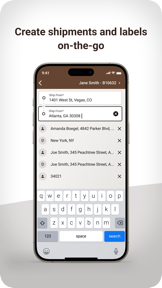
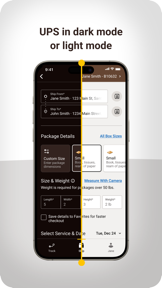

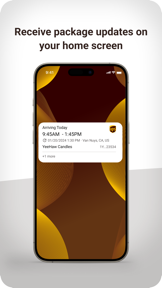
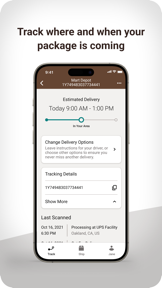
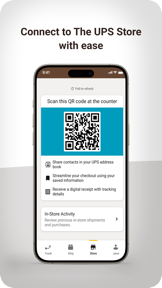
UPS is a logistics utility app for tracking, shipping, and managing package deliveries on iOS and Android.
The App DNA
What makes this app unique?
Users hire the app to manage the physical movement of goods, relying on the UPS network for reliable transit and retail-integrated drop-offs.
For Individual consumers and small business owners requiring frequent shipping, package tracking, and logistics management.
What does it look like?
Key features
Generates a scannable barcode in-app for printing shipping labels at The UPS Store locations
Provides delivery alerts, rerouting options, and driver instructions for incoming packages
Provides proactive compliance and documentation guidance for shipments to over 200 countries
How much does it cost?
Monetization relies on a free utility model to drive volume, with a paid premium tier for advanced delivery control and logistics management.
Velocity
Steady developmentUX improvementsnew contentShow more...
UPS maintains a steady development cadence, shipping approximately 0.25 releases per week over the analyzed period. Development is focused on UX improvements and logistics utility, specifically streamlining pickup scheduling and in-store QR code integration. While the release notes are consistent across versions, the app shows a stable pattern of feature-driven updates rather than purely maintenance-based patches. The current pace suggests a predictable, feature-focused release cycle.
Who built it?
UPS
4 apps tracked · Business
 UPS Global Pickup & Delivery
 UPS Access Point
 UPS Mobile Delivery
User Sentiment
What do users think recently?
Review voice lately leans upset. Users appreciate tracking accuracy for incoming shipments provides reliable visibility for the majority of daily users and professional driver conduct and consistent delivery performance foster positive sentiment among long-term customers, but report post-update technical failures including login loops and authentication errors prevent basic account access.
How are ratings & reviews evolving?
What users say, by theme
- Tracking accuracy for incoming shipments provides reliable visibility for the majority of daily users
- Professional driver conduct and consistent delivery performance foster positive sentiment among long-term customers
- Post-update technical failures including login loops and authentication errors prevent basic account access
100 of 203 recent reviews analyzed · high confidence · Upset overall
Read the full review analysisUnlock 1 more frustration theme and 1 user request, each backed by review evidence.
Access the full report for freeCompetition
Competitive landscape for UPS
How's the Business market?
UPS holds the #18 Free position in the Business category, maintaining a consistent rank despite a recent decline in sentiment. The high volume of tracking utility keeps the app in the top 20, but the authentication failures post-update create a ceiling on retention.
Read the market outlookThe rivals identified

By United States Postal Service
Both apps serve the same residential and business audience for package tracking and logistics management, creating direct competition for the primary tracking-first user segment.
- Informed Delivery provides grayscale images of incoming mail, a feature absent in the UPS suite.
- USPS Mobile maintains a 4.77 rating across 1.6M reviews, significantly higher than current UPS sentiment.
- USPS Mobile offers a utility suite including Hold Mail and Pickup requests within one interface.
 FedEx MobileContender
 DHL Express MobileContender
 My Package Delivery TrackerContender
 Package Tracker & Track ParcelContender
 I'd Ship That - Print & MailContender
 ShipWiz - Shipping LabelsContender
 Package Delivery: Tracking AppContender
 Package Delivery Tracker AppContender

Unlock the head-to-head verdict: where this rival wins, and where it loses.
Access the full report for freeThe Analyst's Read
Key takeaways for UPS
Where is it heading?
The logistics app market is consolidating around proactive delivery management, and UPS is currently losing ground due to technical instability. The recent authentication failures are a critical vulnerability that will continue to depress ratings and retention until resolved, so the PM must shift focus from feature expansion to core reliability.
- Authentication failures in the latest update prevent account access, which accelerates churn toward third-party tracking alternatives.
- Inaccurate delivery notifications erode trust in the logistics process, leading to increased support volume and negative sentiment.
The SWOT
- Physical retail network density enables unique in-store label printing
- Proactive international compliance guidance reduces high-value shipping support costs
- Expansion of custom text fields for delivery instructions
- Integration of visual map-based tracking to compete with Route
Next best moves
Rebuild authentication flow because login loops are the top complaint → stabilize user access
+ 1 more prioritized moveThe counter-intuitive read
The app's #18 rank is a liability, not an asset…
Read the full takeFeature gaps
Mid-transit delivery rerouting (available in FedEx Mobile) +1
Since the last report: The app transitioned to a freemium model with advanced logistics features, but experienced a decline in stability due to critical authentication failures.
Bottom line
UPS maintains a strong utility moat through its physical store network, but the latest update's authentication failures are actively driving users to competitors, so the PM must prioritize technical stability to protect the core tracking retention loop.
Unlock 2 critical frictions, 2 market threats, 1 more prioritized move and the analyst’s take.
Access the full report for freeFAQ
Is the UPS app good for casual shippers?
How does the UPS app compare to FedEx Mobile?
Does the UPS app have offline mode?
What is a free alternative for multi-carrier tracking?
Report last updated