



Magic-LED is a Bluetooth-based remote control utility for LED lighting hardware on iOS.
The App DNA
What makes this app unique?
Users hire this app to bridge the gap between mobile devices and specific LED driver hardware, providing manual control over color and patterns.
For DIY lighting enthusiasts and users of specific LED controller hardware requiring remote configuration.
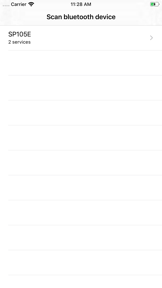
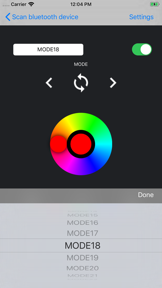
What does it look like?
Key features
Compatibility with 17 specific driver IC types including WS2811, SK6812, and DMX512 for hardware control
Manual configuration of total pixel count and RGB order for LED strips
Selection of 200 pre-programmed lighting patterns and static color modes
How much does it cost?
The app operates as a free utility tool, likely serving as a value-add for hardware sales rather than a standalone revenue product.
Velocity
Dormant developmentopaqueShow more...
The app has been inactive for over six years, with no release activity recorded since September 2019. Given the lack of updates for well over 12 months, the development momentum is classified as zombie status. There is no evidence of ongoing maintenance, feature development, or live operations.
Who built it?
Shenzhen Sperll Optoelectronic Technology Co.
5 apps tracked · Utilities
 BanlanX
 LED Chord
 LED Hue
 Trimlight Edge
User Sentiment
What do users think recently?
How are ratings & reviews evolving?
Not enough recent reviews to extract reliable themes yet.
Read the full review analysisCompetition
Competitive landscape for Magic-LED
How's the Utilities market?
Magic-LED maintains a low 2.15-star rating across 317 reviews, signaling that the lack of updates since 2019 is failing to meet modern user expectations for hardware stability.
Read the market outlookThe rivals identified
Unlock the deeper market read.
Access the full report for freeThe Analyst's Read
Key takeaways for Magic-LED
Where is it heading?
The smart-lighting utility market is consolidating around platforms that offer unified automation and high-frequency updates. Magic-LED is exposed because its manual control model cannot compete with the convenience of automated, group-based lighting control.
- The lack of updates since 2019 indicates the app is in maintenance mode, which will lead to further rating erosion as iOS standards evolve.
The SWOT
- Broad hardware compatibility across 17 driver IC types enables niche market penetration.
- Integration of automated scheduling could modernize the utility value.
Next best moves
Audit Bluetooth connectivity stack because 2.15-star rating indicates hardware failure → stabilize user base.
The counter-intuitive read
The app's lack of updates is not just…
Read the full takeFeature gaps
Automated scheduling (available in Meaco but missing here) +1
Since the last report: The app remains in a zombie state with no functional updates, while the competitive analysis has been re-indexed to compare the app against broader smart-home utility tools rather than direct LED competitors.
Bottom line
Magic-LED serves a narrow hardware niche but is failing to retain users due to long-term neglect, so the PM must prioritize stability fixes to prevent total abandonment by the existing user base.
Unlock 2 critical frictions, 1 market threat and the analyst’s take.
Access the full report for freeReport last updated