


Shenzhen Sperll Optoelectronic Technology Co.
 LED Hue



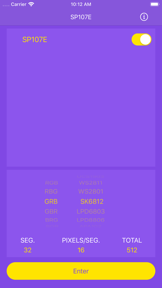
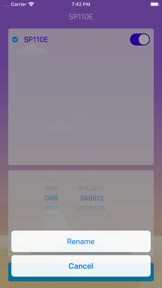


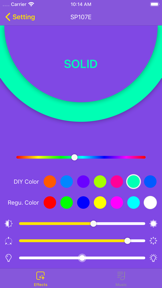


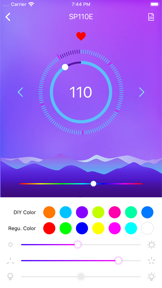



Snapshot


Publisher DNA
What defines Shenzhen Sperll Optoelectronic Technology Co.?
AI intelligence is not yet available for Shenzhen Sperll Optoelectronic Technology Co.. The portfolio data below is up to date.
Portfolio
What does Shenzhen Sperll Optoelectronic Technology Co. ship?
Apps
5 apps analysed

Analysis in progress

Zero-cost access drives adoption for budget-conscious DIY hobbyists
- Wide chipset support
- Bluetooth connection instability
- Broad hardware compatibility across 27 driver ICs functions as a technical moat for specialized DIY users
- Connectivity instability

- Broad hardware compatibility across 17 driver IC types enables niche market penetration.

Extensive customization options allow users to create unique color patterns for various holidays and occasions
- High-quality lighting hardware and professional installation provide a visually impressive aesthetic for residential home exteriors
- Frequent connection failures and synchronization errors prevent users from controlling their lights via the mobile app
Single-market publisher, every app ships only to United States.
Based on 4 of 5 apps with localized market data, more coverage rolling in as scans complete · last scanned .
Americas (1)
- United States4 / 4
Core markets (4/4 apps)
User Sentiment
How do users feel about their apps?
0
Positive apps
2
Neutral / mixed
1
Negative apps
40/100
Avg sentiment score
Unlock the app dragging this portfolio down.
Access the full report for freeRivals
Who does Shenzhen Sperll Optoelectronic Technology Co. compete with?
The rivals identified
Same space(9)

This app competes in the lighting utility space by providing mobile-based management tools for professional lighting fixtures.


As a comprehensive smart home platform, it overlaps with Magic-LED by offering group configuration and atmosphere programming for connected lighting.


Both apps serve as utility controllers for professional lighting hardware, focusing on device configuration and maintenance.


This app competes for the same smart-home utility user base by providing remote management and status monitoring for climate control hardware.


Both apps function as specialized hardware controllers, targeting users who need to bridge the gap between mobile devices and specific physical appliances.


This app serves as a specialized remote management tool for pool hardware, mirroring the 'controller' utility value proposition of Magic-LED.


While focused on personalization, it competes for the same user base interested in aesthetic color control and visual customization.


This app competes for users seeking high-level visual customization and dynamic aesthetic control on their mobile devices.


Both applications serve as generic Bluetooth-based remote controllers for addressable LED strips, targeting the same DIY hobbyist demographic using similar hardware protocols.
New entrants(4)


This newcomer targets the same aesthetic-driven user base interested in high-tech, animated visual displays.


Adlar competes for space on the user's home screen by offering performance monitoring and dashboarding for connected home systems.


This app enters the personalization space, competing for the attention of users who prioritize visual customization and app integration.


This newcomer disrupts the utility space by applying AI-driven predictive logic to hardware control, raising the bar for smart automation.