


3DTOPO
For creative users, digital artists, and photography enthusiasts seeking stylized, high-resolution artistic interpretations of their personal images.
 Oilist






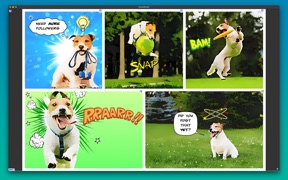







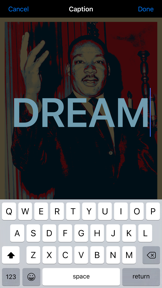




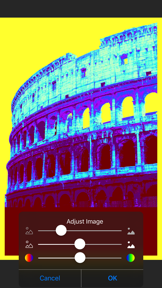
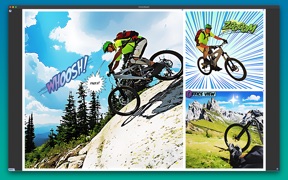


Snapshot
Who is 3DTOPO?
Empowering creative expression through generative art and stylized photo-editing tools. Enabling users to transform personal images into artistic digital compositions.
Target audience


Portfolio
Free 1Last updated

Oilist
v2.1.0
7.2y ago
Publisher DNA
What defines 3DTOPO?
Publisher DNA
Primary focus
Photo & Video editing and generative art tools
Scale
indie
Target audience
Creative users, digital artists, and photography enthusiasts seeking stylized, high-resolution artistic interpretations of their personal images.
Signature Patterns
- •Heavy reliance on neural networks and generative engines for artistic image transformation
- •Granular user control over style abstraction and blending parameters
- •Hybrid monetization model utilizing both paid upfront and freemium strategies
- •Focus on high-resolution output and professional-grade artistic effects
Portfolio momentum
With only one release in the last six months and half of the portfolio categorized as abandoned, the publisher is currently in a maintenance phase.
Portfolio
What does 3DTOPO ship?
Apps
7 apps analysed


Single-market publisher, every app ships only to United States.
Based on 2 of 7 apps with localized market data, more coverage rolling in as scans complete · last scanned .
Americas (1)
- United States2 / 2
Core markets (2/2 apps)
User Sentiment
How do users feel about their apps?
2
Positive apps
0
Neutral / mixed
0
Negative apps
80/100
Avg sentiment score
Rivals
Who does 3DTOPO compete with?
The rivals identified
Nemeses(4)

known for Pencil Sketch: Photo Drawing
Both apps target photography enthusiasts seeking to convert personal photos into artistic outputs, creating direct competition for users choosing between a one-time paid generative engine and a free, style-based editor.


Both apps target social media users seeking rapid meme creation tools, creating direct competition for the same user base despite different monetization models.


Picsart is the dominant market leader in AI-driven creative editing, directly competing with Visionist’s neural network-based artistic filtering and image manipulation capabilities.


Both apps occupy the same 0.99 dollar paid utility segment, targeting users seeking to improve image quality through automated processing.
Contenders(16)


Both apps target photographers and users needing image restoration and resolution improvement, with overlapping core functionality in AI-driven upscaling.


Both apps target users seeking to restore or enlarge low-resolution images using neural network processing. They compete directly for the same audience segment through overlapping core functionality in image processing.


KODAK STEP competes by bridging the gap between digital image editing and physical output, targeting users who value tangible results.


Both applications target users seeking to improve low-quality images through AI-driven upscaling and reconstruction. They compete directly for the same audience of photographers and casual users needing to restore or enlarge digital assets.


This app targets the same casual photo-editing demographic but focuses on thematic, event-driven sticker and background manipulation.


Both apps target photography enthusiasts seeking artistic transformations, with Oilist providing generative art for high-resolution output and Fotorist offering offline-first utility for casual users.


Both applications target users seeking AI-driven image resolution improvement and quality restoration. They compete directly for the same audience by offering automated upscaling and image processing tools.


Tangled FX is a direct competitor in the specialized artistic filter space, offering unique procedural effects similar to Visionist’s neural network approach.


This app competes for the casual user segment looking for quick, template-based photo enhancements rather than deep artistic processing.


Both apps target users seeking to restore or enlarge low-resolution images, creating direct competition for the same utility-focused audience.


Both applications target photographers and casual users needing image restoration, competing directly on the core utility of AI-driven resolution improvement.


Both apps target users seeking to restore and enlarge low-resolution images, creating direct competition for the same user base.


Both apps target photographers and users needing image restoration, with direct functional overlap in AI-driven upscaling and detail reconstruction.


PixelFix targets the same photo restoration audience as enhanceAI, offering overlapping core functionality like AI-driven image enhancement and resolution upscaling.


Both apps compete for the same digital artist audience, forcing a choice between Oilist's generative art creation and Frameit's professional presentation mockups.


Both apps target users seeking to restore or improve low-quality images, with overlapping functionality in noise removal and detail reconstruction.
Same space(33)


Poster Creator functions as a static alternative for automated design, though its lack of updates makes it a legacy utility compared to HOPE Meme Maker.


Provides similar restoration functionality for vintage photos, targeting the same audience as the source app.


Photo Editor- provides a comprehensive suite for general image retouching, serving as a broader toolset for users who need more than the meme-specific filters in HOPE Meme Maker.


Dominates the photo enhancement space with high-fidelity restoration, sharing the same target audience.


Muse serves the same social-content creation segment as HOPE Meme Maker but shifts the focus from static posters to template-based video workflows.

known for Pixelup: AI Photo Enhancer App
Focuses on restoring vintage and low-quality photos, sharing the core restoration use case.


Targets the same casual photo restoration audience but uses viral-ready social filters to drive acquisition.


This app competes for the same fine art filter audience by providing a library of over 40 specific artist styles.


Focuses on selfie quality for social media users, utilizing a personalized AI model generated from user photos.


Offers a specialized utility for noise reduction, serving a subset of the enhancement market.


SLMMSK shares the 'artistic filter' category, focusing on experimental and distorted visual aesthetics for social media users.


Users report: This app captures the viral, trend-driven segment of the photo/video market that Visionist’s static filters struggle to reach.


This app targets the same creative audience but shifts the monetization model from a one-time purchase to a recurring subscription.


BeSticky captures the same casual messaging audience as HOPE Meme Maker but specializes in personalized sticker creation rather than poster-style image editing.


Targets product photo enhancement, serving a specific niche within the broader photo quality market.


Focuses on AI-powered restoration for blurry images, sharing the same core utility.


Targets casual social media creators with AI-powered effects, sharing the same broad photography category.


PicJointer provides a similar photo-arrangement utility to HOPE Meme Maker but focuses on multi-image collages rather than single-image meme styling.


Provides restoration and colorization tools, directly competing for the same photo repair audience.


This app competes for the family-oriented creative market, using licensed IP to drive engagement in the photo editing space.


Focuses on family photo restoration, overlapping with the restoration capabilities of the source app.


While focused on video, this app competes for the same 'prosumer' creative audience that values manual control and high-quality output.


Provides a similar suite of restoration and enhancement tools for both photos and videos.


This app offers a broader set of promotional design templates for business and social use cases, acting as a more versatile design tool than the meme-focused HOPE Meme Maker.


Offers similar restoration and upscaling tools for casual users, matching the core value proposition.


Targets the same legacy photo restoration audience with automated AI tools, including social-focused generators.


Competes for the same casual editing market by providing object removal tools as a primary utility.


This app expands the creative utility beyond static painting into 3D modeling and object removal, offering a broader toolset than the generative engine in Oilist.


Provides image upscaling and portrait refinement, competing for the same photo enhancement audience.


Targets users needing image upscaling and restoration, overlapping with the core functionality.


Offers a natural enhancement engine for casual users, competing for the same photo restoration market share.


Targets casual users with one-tap enhancement tools similar to the source app.


Serves the same video-centric enhancement needs as the source app but adds social media specific features.
New entrants(2)


A new entrant utilizing generative AI for specific niche photo manipulation, signaling a shift toward vertical-specific AI editing tools.


SquishCam enters the market with interactive, real-time warping effects, challenging the static nature of traditional filter apps.
The Analyst's Read
The bottom line on 3DTOPO
Bottom line
3DTOPO maintains a specialized, high-quality portfolio that prioritizes artistic depth over social-first features. Their long-term success hinges on their ability to modernize their established creative tools to compete with newer, AI-native photo editing platforms.
Frequently asked questions
How many apps does 3DTOPO publish?
What kind of apps does 3DTOPO make?
What is 3DTOPO's top app?
In how many countries are 3DTOPO's apps available?
What fed this analysis
- Apps analyzed:
- 7
- With full intel:
- 0
- With overview:
- 7
- Website scraped:
- yes
- Social presence:
- no