


ALPA Kids OU
 ALPA Estonian Learning Games


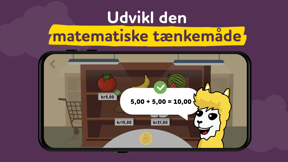


Snapshot


Publisher DNA
What defines ALPA Kids OU?
AI intelligence is not yet available for ALPA Kids OU. The portfolio data below is up to date.
Portfolio
What does ALPA Kids OU ship?
Apps
10 apps analysed

Ad-free, data-secure environment builds parent trust as a primary retention mechanism.
- Curriculum-aligned content developed with local educators creates a defensible barrier against generic international rivals.
Analysis in progress

Offline mode removes the connectivity dependency required by many streaming-based rivals.
- Localized Brazilian content functions as a distribution barrier against global competitors.

Analysis in progress

Analysis in progress
Distributed across 12 markets, strongest in Europe.
Based on 2 of 10 apps with localized market data, more coverage rolling in as scans complete · last scanned .
Americas (3)
- Brazil2 / 2
- Mexico2 / 2
- United States2 / 2
Europe (7)
- France2 / 2
- Germany2 / 2
- Italy2 / 2
- Netherlands2 / 2
- Portugal2 / 2
›+2 more europe markets
- Spain2 / 2
- Sweden2 / 2
Asia-Pacific (2)
- Japan2 / 2
- South Korea2 / 2
Core markets (2/2 apps)
Rivals
Who does ALPA Kids OU compete with?
The rivals identified
Same space(20)

ANTON provides a free, ad-free K-8 curriculum that competes for the same school-aligned learning audience as ALPA.


Bebi targets the same toddler-education segment by providing an ad-free, offline-capable sandbox that competes for the same unsupervised screen time.


Keiki targets the same 1-6 age group by offering printable offline worksheets that complement its digital curriculum.


known for Preschool Games for Toddler 2+
Baby Games for Toddlers & Kids competes for the same preschool demographic by offering an expert-guided, ad-free environment.


Reading Eggs targets the same 2-13 age group with a teacher-designed literacy program, serving as a comprehensive alternative for reading development.


Learna competes for the same parent-driven educational budget by using AI-driven feedback to differentiate its language instruction.


Hooked on Phonics competes for the same 3-8 age demographic by offering a multi-sensory approach that combines digital and physical learning.


Khan Academy Kids serves as a primary free-to-use alternative for the same preschool demographic, leveraging a non-profit model to capture market share.


Kiddopia competes for the same 2-7 age group by using licensed IP to drive discovery and engagement.


Users report: Coloring Games for Kids targets the same 1-8 age group by offering a large library of creative activities for travel-based use.

known for Kids Academy Learning Games
Users report: Kids Academy targets the same 2-10 age group with a physical-digital hybrid model that differentiates it from purely digital apps.


Lingokids competes for the same 2-8 age group by offering a massive library of games and shows, leveraging high-value IP partnerships.


Monster Math competes for the same primary-aged audience by gamifying math fact fluency through immersive missions.


This app provides a similar range of math-focused games for the preschool to 2nd-grade demographic.


MathHero serves as a direct competitor for the 5-10 age segment by using a story-driven adventure to teach arithmetic.


Buddy.ai targets the same 3-8 age group by using conversational AI to replace static learning tools, creating a direct alternative for language and STEM.


Pok Pok targets the same 2-8 age demographic by offering a calm, non-overstimulating alternative to the more structured curriculum of ALPA.


This app provides a broad, curriculum-aligned alternative for the same 3-6 age group, focusing on foundational literacy and numeracy.


SplashLearn provides a supplemental, curriculum-aligned platform for the same age range, focusing on math and reading mastery.


Math Learner competes for the same parent-driven math education market by using interactive technology to gamify arithmetic.
New entrants(1)


HeyRua serves as a niche language-learning alternative for users seeking to build speaking confidence through practical, everyday situations.
