


Kiddopia
For parents and caregivers of children aged 2-7 seeking curriculum-aligned digital learning and entertainment.
 Kiddopia - Kids Learning Games











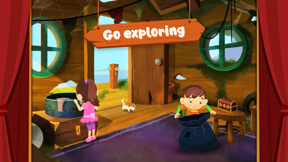


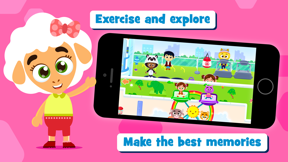




Snapshot
Who is Kiddopia?
Providing a comprehensive, curriculum-based early learning platform for preschool children and their parents.
Target audience


Portfolio
Free 12Last updated

Kiddopia - Kids Learning Games
v26.08.03
2mo ago
Publisher DNA
What defines Kiddopia?
Publisher DNA
Primary focus
Children's educational platforms
Scale
indie
Target audience
Parents and caregivers of children aged 2-7 seeking curriculum-aligned digital learning and entertainment.
Signature Patterns
- •Subscription-based monetization model for all-access content
- •Heavy reliance on licensed IP to drive engagement and trust
- •Curriculum-based approach covering math, language, and creativity
- •Frequent update cadence to refresh educational activities
Portfolio momentum
Maintains an intense development pace with 12 updates in the last 6 months for their flagship title, indicating a focus on continuous content delivery.
Portfolio
What does Kiddopia ship?
Apps
12 apps analysed

Analysis in progress

The best educational puzzle app for toddlers with animated nursery rhymes


Analysis in progress

Enjoy & learn colors with 100+ tools, dozens of pages, glitter, stickers, & more


Engaging core gameplay loop retains children for extended sessions
- The core gameplay loop provides an engaging time-killer experience that keeps children entertained for extended periods
- Aggressive monetization practices lock the majority of game content behind paywalls, frustrating users who expect free access

Analysis in progress
Distributed across 12 markets, strongest in Europe.
Based on 4 of 12 apps with localized market data, more coverage rolling in as scans complete · last scanned .
Americas (3)
- United States4 / 4
- Mexico2 / 4
- Brazil1 / 4
Europe (7)
- Spain2 / 4
- France1 / 4
- Germany1 / 4
- Italy1 / 4
- Netherlands1 / 4
›+2 more europe markets
- Portugal1 / 4
- Sweden1 / 4
Asia-Pacific (2)
- Japan1 / 4
- South Korea1 / 4
Core markets (4/4 apps)
User Sentiment
How do users feel about their apps?
0
Positive apps
1
Neutral / mixed
1
Negative apps
40/100
Avg sentiment score
Unlock the app dragging this portfolio down.
Access the full report for freeRivals
Who does Kiddopia compete with?
The rivals identified
Nemeses(3)


Both applications target the preschool demographic with digital coloring content, competing directly for screen time within the same category.


Both applications target the same preschool-to-early-elementary demographic with subscription-gated, curriculum-based learning content that competes for the same household budget.


Both applications target the preschool demographic with digital coloring activities, competing directly for parent-controlled screen time and engagement.
Contenders(12)


Both apps target the same toddler demographic with identical core mechanics: interactive cooking simulations and recipe-based mini-games.


Both applications target the preschool demographic with digital coloring activities, creating direct competition for parental screen-time allocation.


Both apps target the preschool demographic with curriculum-based learning and offline-first architectures, creating direct competition for parents seeking ad-free, independent play environments.


Users report: Both apps target parents of preschool-aged children seeking ad-free, independent educational screen time, creating direct competition for household subscription budgets.


Both apps target the same preschool demographic with curriculum-based interactive games, creating direct competition for parental time and household budget.


Both apps target the same preschool to early elementary demographic with subscription-based, curriculum-aligned educational content.

known for Cake Cooking Games for Toddlers and Kids free
Both applications target the preschool demographic with baking and cooking simulations, creating direct competition for the same user base.


Users report: Both apps target young children with interactive cooking simulations, competing for the same casual gaming time through shared culinary mechanics.


Users report: Both apps target young children with interactive cooking simulations, creating direct competition for the same audience segment. They overlap in core functionality by providing recipe-based culinary tasks.


Both applications compete for time spent in digital coloring tools, though they serve distinct demographics: preschool development versus adult stress relief.


Both apps target the 2-7 age demographic with subscription-based, ad-free educational content, creating direct competition for parental spending on early childhood learning tools.


Both apps target the preschool educational games segment, competing for the same parent demographic seeking foundational literacy and numeracy tools via subscription models.
Same space(30)


This app targets a specific niche of girls aged 5 to 10 with thematic content, functioning as an offline-capable alternative.


This app provides a focused, free math practice tool that serves as a specific utility for Kiddopia users seeking targeted arithmetic help.


AdaptedMind Math offers a specialized, adaptive math curriculum that serves as a focused alternative to Kiddopia's broader game library.


Adobe's Aqua serves as a creative, non-monetized alternative to Kiddopia, focusing on artistic development rather than core academic subjects.


Buddy.ai competes for the same preschool screen time by replacing Kiddopia's general curriculum with a specialized voice-based AI tutor.


ANTON provides a free, ad-free curriculum-aligned platform that captures older students within the same household segment as Kiddopia.


Montessori Preschool competes directly with Kiddopia by offering a structured, teacher-designed curriculum for the same 3-7 age range.


This app targets the same early childhood development demographic as the source app but focuses specifically on fine motor skill practice through baking.


Brilliant targets the older end of the educational spectrum, providing a more advanced STEM-focused alternative to Kiddopia's general games.


DoodleMath provides a research-based, standards-aligned math practice solution that competes for the same elementary-aged users as Kiddopia.


Epic targets the same household segment as Kiddopia but focuses on digital reading and library access rather than interactive games.


This app targets the same toddler demographic but utilizes a subscription-gated model to provide an ad-free environment.


The app offers a structured, goal-oriented baking simulation for children, acting as a safe educational alternative to the source app's broader culinary tasks.


Hooked on Phonics Learning competes for the same literacy-focused parents as Kiddopia by combining digital lessons with physical materials.


Khan Academy Kids offers a non-profit, ad-free alternative to Kiddopia's subscription-gated model for the same 2-8 age group.


The app utilizes established cartoon IP to capture the preschool audience, creating a character-based alternative to the generic culinary tasks in the source app.


Bible App for Kids serves as a non-monetized alternative that captures the same age demographic through faith-based storytelling.


This app operates as a high-retention creative loop alternative that targets the same preschool demographic but uses an ad-free subscription model to drive revenue.


PBS KIDS Video serves as a primary streaming hub for the same 2-8 demographic, offering a free, ad-free alternative to Kiddopia's game-focused library.


Pok Pok captures the same preschool audience by offering a calm, non-addictive alternative to Kiddopia's high-stimulation game library.


Smartick provides a high-intensity, 15-minute daily math training method that competes for the same time-constrained parent demographic as Kiddopia.


sofatutor KIDS offers a thematic, game-based learning environment for the same 2-6 age demographic as Kiddopia.


SplashLearn provides an adaptive, curriculum-aligned alternative to Kiddopia that serves both home and classroom needs.


tDrawing provides a specialized, sensory-focused drawing tool that serves as a foundational development app for Kiddopia's youngest users.


This app offers a basic, free tool for preschool artistic interaction, similar to the source app but with a smaller library of 36 pages.


Baby Shark World leverages high-affinity IP to provide a broad educational hub that competes for the same early-childhood attention as Kiddopia.


This app competes for casual users through social-sharing mechanics, although some users allege the app collects and shares personal data without consent.


Think!Think! offers a specialized puzzle-based curriculum that serves as a niche educational tool for Kiddopia's target age group.


This app targets a broad adult demographic with a library of 40,000 images, contrasting with the preschool focus of the source app.


This app combines creative drawing with educational goals like motor skill development, positioning it as a direct pedagogical competitor.
The Analyst's Read
The bottom line on Kiddopia
Bottom line
Kiddopia is a specialized single-app publisher that has successfully scaled via a content-rich subscription model and strategic IP partnerships. Their high-velocity update cycle and strong weighted rating suggest a mature, well-retained product within the preschool education niche.
Frequently asked questions
How many apps does Kiddopia publish?
What kind of apps does Kiddopia make?
What is Kiddopia's top app?
In how many countries are Kiddopia's apps available?
What fed this analysis
- Apps analyzed:
- 1
- With full intel:
- 0
- With overview:
- 1
- Website scraped:
- yes
- Social presence:
- no
