Age of Learning
For parents, caregivers, and educators of children aged 2–8 seeking structured, curriculum-based learning.
 Early Learning Academy




Snapshot
Who is Age of Learning?
Providing research-validated early childhood education through comprehensive digital curricula for home and classroom environments.
Target audience


Portfolio
Free 8Last updated

Early Learning Academy
v8.73.0
5mo ago
Publisher DNA
What defines Age of Learning?
Publisher DNA
Primary focus
Early childhood education platforms
Scale
indie
Target audience
Parents, caregivers, and educators of children aged 2–8 seeking structured, curriculum-based learning.
Origin
Established with a focus on research-backed educational excellence with over 15 years of experience in the sector.
Signature Patterns
- •Research-validated, curriculum-based learning paths
- •Hybrid distribution model targeting both home and institutional users
- •Monetization via subscription and freemium models
- •Comprehensive subject coverage including STEM, reading, and art
Portfolio momentum
High development activity with 13 updates across both active titles in the last 6 months, including a major release within the last 14 days.
Portfolio
What does Age of Learning ship?
Apps
8 apps analysed

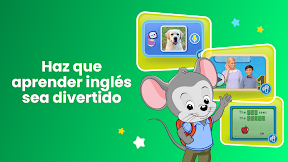


Kids Learning App: Phonics, Reading And Math Games For Toddlers And Ages 2-8


13,000+ activity library creates high content-switching costs
- Educational content helps young children learn reading and phonics skills through engaging interactive game loops
- Persistent audio failure forces users to restart the application frequently to restore sound functionality

13,000+ fun educational activities in reading, math, science, art, music & more!


Gamified rewards system
- Educational content provides a structured learning environment that keeps young children engaged for extended periods
- Users report: Subscription cancellation processes are described as deceptive and difficult to navigate, leading to unwanted recurring charges

Curriculum-first approach for 2nd-5th grade provides a defensible academic value proposition
- Gamified educational content keeps children engaged with learning subjects through interactive quests and avatar customization
- Frequent application crashes and loading failures disrupt the learning experience across multiple mobile device platforms

Distributed across 15 markets, strongest in Europe.
Based on 6 of 8 apps with localized market data, more coverage rolling in as scans complete · last scanned .
Americas (2)
- United States6 / 6
- Canada2 / 6
Europe (8)
- Spain2 / 6
- Turkey2 / 6
- United Kingdom2 / 6
- France1 / 6
- Germany1 / 6
›+3 more europe markets
- Italy1 / 6
- Netherlands1 / 6
- Sweden1 / 6
Asia-Pacific (5)
- Australia2 / 6
- Indonesia2 / 6
- Singapore2 / 6
- Vietnam2 / 6
- India1 / 6
Core markets (6/6 apps)
User Sentiment
How do users feel about their apps?
0
Positive apps
4
Neutral / mixed
1
Negative apps
49/100
Avg sentiment score
Unlock the app dragging this portfolio down.
Access the full report for freeRivals
Who does Age of Learning compete with?
The rivals identified
Nemeses(2)


Both platforms target the early childhood education segment with subscription-based, ad-free content, competing for the same parent demographic seeking supplemental learning tools for children.


Both apps target the 2-8 age demographic with subscription-based, research-backed educational content, competing directly for the same household budget and daily screen time.
Contenders(15)


Epic competes with the literacy and library features of ABCmouse through a dual-sided school and home model.


Khan Academy Kids is the primary non-profit competitor to the subscription-based model of ABCmouse.


Buddy.ai competes for the same preschool demographic by replacing ABCmouse's static curriculum with conversational AI tutoring.


Both apps compete for the same preschool screen time by offering foundational educational content for children aged two.


Both apps target the 3-7 age demographic with subscription-based, ad-free, structured educational content, creating direct competition for parents seeking supplemental preschool and kindergarten materials.


Both apps target the preschool demographic with curriculum-based educational content, competing for parents seeking ad-free, supplemental learning tools for children aged 2-5.


Keiki competes directly for the early childhood education segment by offering personalized learning paths for children aged 1 to 6. Both apps rely on subscription monetization, forcing parents to choose between competing premium curriculums.


known for Preschool Games for Toddler 2+
Both applications target early childhood education for ages 2 to 5, competing directly for parent screen-time decisions through freemium models that gate the majority of their curricula behind paywalls.


Both apps target the 2-6 age demographic with subscription-based content, competing for parents seeking supplemental educational tools for early childhood development.


Both apps target the same 2-8 age demographic with curriculum-aligned content, creating direct competition for daily screen time among parents seeking safe, educational environments.


Both apps target the preschool demographic with subscription-based, ad-free digital content, competing for parents seeking safe screen time for children aged 2-6.


Toca Boca Jr provides the same age-appropriate creative play as ABCmouse but lacks a formal academic curriculum.


Both apps compete for the 2-8 age demographic, forcing parents to choose between the structured, gamified curriculum of ABCmouse and the open-ended, Montessori-inspired play of Pok Pok.


ABC Kids competes for the same preschool demographic by offering free, focused early literacy tools that bypass the $14.99 monthly subscription cost of ABCmouse.


Reinforces math and reading concepts through adaptive modules that align with elementary school curricula.
Same space(26)


ClassDojo bridges the school-to-home gap for the same parent demographic that uses ABCmouse for supplemental learning.


Toca Boca World competes for the same preschool and early-grade attention as ABCmouse through open-ended digital play.


AdaptedMind Math targets the same grade-level demographic as ABCmouse but specializes in adaptive math practice.


Provides a comprehensive literacy curriculum for a wider age range, spanning from toddlers to early teens.


Uses adaptive AI and 3D gameplay to personalize math and reading instruction for students.


Nail Salon Games for Kids 2-5 occupies the same preschool age segment as ABCmouse with creative simulation games.


Duolingo captures the same habit-forming, gamified learning audience as ABCmouse but focuses on language acquisition.


Hooked on Phonics Learning competes directly with the literacy component of ABCmouse using a multi-sensory physical-digital hybrid.


Kahoot! serves as a classroom-based quiz alternative to the home-focused, curriculum-driven structure of ABCmouse.

known for Preschool games: kids toddlers
Targets toddlers with themed boards that encourage independent play through psychologist-backed design.


Focuses on developmental tracking for parents of young children, providing a research-backed alternative to academic curriculum apps.


Provides stage-based developmental guidance that integrates with physical play kits for parents of infants and toddlers.


Uses an adaptive algorithm to personalize math learning for children aged 4-12, claiming specific outcome improvements.


Minecraft Education targets the older end of the ABCmouse spectrum with a sandbox-based STEM curriculum.


Represents the specialized skill-learning sub-genre within the broader education category.


Users report: Doctor Games for Kids! targets the same age range as ABCmouse with a focus on neurodivergent accessibility.


Super Simple provides a similar ad-free, character-driven environment for the same toddler demographic as ABCmouse.


Provides curriculum-aligned math practice for 10-11-year-olds, featuring a scratch pad for complex problem solving.


Smartick focuses on the math proficiency segment of the ABCmouse curriculum with a 15-minute daily training model.


LEGO DUPLO Peppa Pig competes for the same preschool screen time as ABCmouse through play-based cognitive development.


Focuses on early math skills through a series of mini-games developed by the Usborne Foundation.


Reading.com focuses on the same early literacy goal as ABCmouse but shifts the delivery to a parent-led co-play model.


Serves as a central hub for managing homeschool curriculum, videos, and learning tools for families.


Pinkfong Baby Shark targets the same preschool age group as ABCmouse using popular character-based entertainment.


Digitizes traditional classroom materials to provide a structured math foundation for preschool to grade 6 students.


Competes for math-focused screen time by using interactive digit recognition technology to create a tactile learning loop.
New entrants(2)


Aha World is showing rapid growth and high update velocity, signaling a strong push into the creative play market.


Transforms daily routines into educational adventures for toddlers, focusing on hygiene and organizational skills.
The Analyst's Read
The bottom line on Age of Learning
Bottom line
Age of Learning is a specialized educational publisher that leverages institutional trust and longitudinal research to defend its market share. Their disciplined focus on a small, high-quality portfolio makes them a benchmark for curriculum-first mobile learning.
Frequently asked questions
How many apps does Age of Learning publish?
What kind of apps does Age of Learning make?
What is Age of Learning's top app?
In how many countries are Age of Learning's apps available?
What fed this analysis
- Apps analyzed:
- 2
- With full intel:
- 0
- With overview:
- 2
- Website scraped:
- yes
- Social presence:
- yes