


Teach Your Monster
For parents, caregivers, and educators of children aged 3-6 seeking curriculum-aligned digital learning tools.
 Teach Your Monster to Read








Snapshot
Who is Teach Your Monster?
Providing evidence-based literacy, numeracy, and health education through gamified experiences for early learners and their caregivers.
Target audience


Portfolio
Free 4Last updated

Teach Your Monster to Read
v5.4.2
1.2y ago
Publisher DNA
What defines Teach Your Monster?
Publisher DNA
Primary focus
Gamified early childhood education
Scale
indie
Target audience
Parents, caregivers, and educators of children aged 3-6 seeking curriculum-aligned digital learning tools.
Origin
Developed by the Usborne Foundation to support early years literacy and developmental milestones.
Signature Patterns
- •Consistent use of 'Monster' character IP to create a unified brand ecosystem across subjects.
- •Pedagogical design rooted in expert collaboration, such as the SAPERE method and math specialists.
- •Narrative-driven gameplay that gamifies traditional learning milestones like phonics and number recognition.
- •Diverse monetization models including one-time paid purchases, subscriptions, and free access.
Portfolio momentum
Maintained a high update frequency with 4 releases across their 4-app portfolio in the last 6 months, with all titles currently active.
Portfolio
What does Teach Your Monster ship?
Apps
6 apps analysed

Analysis in progress

Fun kids math game US core standards curriculum aligned 4-6 year old children


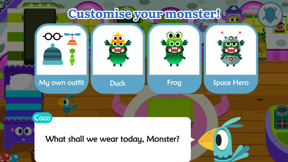
Monster-themed pedagogical design differentiates the app from generic math drills
- 150-level adaptive learning path functions as a retention barrier by matching challenge to skill

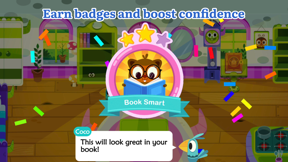
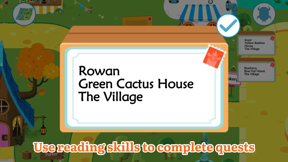
Explore a magical world that ignites children’s love of reading and books!


Narrative-driven mystery gameplay differentiates from standard phonics drills
- Educational content and reading rewards keep young students engaged during independent learning sessions
- Paywall barriers appearing after the first chapter frustrate users expecting a fully free experience

COPPA-compliant, ad-free environment builds parent trust
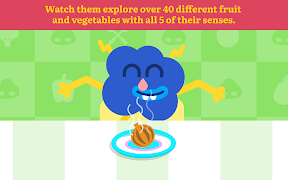
- Educational food exploration mechanics encourage young children to try new vegetables during grocery shopping trips
- Mandatory email registration creates an unnecessary barrier for a product designed specifically for young children

Transform picky eaters into food adventurers with playful learning!


Distributed across 20 markets, strongest in Europe.
Based on 4 of 6 apps with localized market data, more coverage rolling in as scans complete · last scanned .
Americas (4)
- United States4 / 4
- Brazil3 / 4
- Canada3 / 4
- Mexico2 / 4
Europe (9)
- France3 / 4
- Germany3 / 4
- Italy3 / 4
- Netherlands3 / 4
- Portugal3 / 4
›+4 more europe markets
- Sweden3 / 4
- Turkey3 / 4
- United Kingdom3 / 4
- Spain2 / 4
Asia-Pacific (7)
- Australia3 / 4
- India3 / 4
- Indonesia3 / 4
- Japan3 / 4
- Singapore3 / 4
›+2 more asia-pacific markets
- Vietnam3 / 4
- South Korea2 / 4
Core markets (4/4 apps)
User Sentiment
How do users feel about their apps?
3
Positive apps
0
Neutral / mixed
0
Negative apps
75/100
Avg sentiment score
Rivals
Who does Teach Your Monster compete with?
The rivals identified
Nemeses(3)

Dominates the educational niche with a massive, free, curriculum-aligned library that directly competes with the target's core value proposition.


Mathseeds targets the same age range but focuses on foundational math skills rather than literacy.


Both apps target the early-learning demographic for literacy and supplemental education, forcing parents to choose between a one-time purchase phonics curriculum and a subscription-based conversational AI tutor.
Contenders(11)


A massive library of curriculum-aligned games featuring recognizable characters that serves as a primary alternative for parents.


A major market player using gamified micro-learning loops that directly challenge the target app's engagement model.


A legacy brand that competes directly on the core job-to-be-done of teaching phonics through structured, proven methods.


Both apps target the same preschool and kindergarten demographic for phonics-based literacy instruction, forcing a choice between a one-time purchase model and a nonprofit freemium alternative.


A major player in the educational space that uses narrative-driven gameplay to teach basic concepts to young children.


known for Preschool Games for Toddler 2+
Captures a significant share of the preschool market with a focus on high-quality, visually engaging interactive learning.


Both apps target the same preschool to early-grade demographic seeking literacy support, creating direct competition for parents choosing between a one-time paid phonics curriculum and a free sight-word focused alternative.


Both apps target the K-6 literacy market, forcing a choice between the phonics-focused curriculum of Teach Your Monster to Read and the voice-recognition tutoring model of Readability.


Users report: Both apps target the phonics literacy market for children, creating direct competition for parents and teachers seeking systematic synthetic phonics instruction.


Both apps target the K-5 literacy market with gamified curriculum-aligned content, forcing a choice between a one-time purchase model and a freemium subscription model.


Users report: Both apps target early literacy for children aged 3-8 using phonics-based curricula, creating direct competition for parents seeking home-based reading instruction.
Same space(16)


The dominant library-style app that competes for the 'Reading for Fun' use case through content volume.


Sight Words & Phonics Reading offers a structured literacy path for the same age range as the source app.


Wonster Words provides a direct alternative in the early literacy space using a similar play-based approach to phonics.


ABCmouse provides a broader research-based curriculum that includes phonics, competing for the same time-share in early childhood education.


An adjacent competitor in the broader language learning category, focusing on structured linguistic acquisition.


Mathseeds targets the same age range but focuses on foundational math skills rather than literacy.


Alphablocks World serves the same early literacy market with a phonics-based curriculum anchored in licensed IP.


Users report: Funexpected Math for Kids targets the same age group with a focus on early math fluency rather than reading.


Kiddopia competes for the same preschool audience by offering a research-backed curriculum, though it relies on licensed IP.


Users report: Coloring Games for Kids 2-6! targets the same preschool demographic but focuses on creative activities rather than academic literacy.


Lingokids uses a similar play-based learning method to teach literacy, targeting the same age group with a subscription model.


Monster Math targets the same primary school age group but focuses on arithmetic fluency rather than foundational literacy.


Sago Mini World serves the same preschool market with a focus on open-ended play rather than structured phonics.


First Grade Learning Games provides a similar curriculum-aligned experience for the upper end of the source app's age range.


Directly targets the math-specific niche with a focus on mental arithmetic and speed-based training.


Uses a globally recognized brand to provide open-ended, creative play experiences that complement structured math learning.
New entrants(2)


An emerging competitor with a high release cadence, focusing on a specific pedagogical philosophy.


A recent entrant that leverages open-ended 'life world' simulation to engage children in educational exploration.
The Analyst's Read
The bottom line on Teach Your Monster
Bottom line
Teach Your Monster is a high-trust educational publisher that leverages foundation backing to prioritize pedagogical integrity over aggressive monetization. Their ability to maintain high ratings across literacy, numeracy, and health categories suggests a scalable and effective gamification framework.
Frequently asked questions
How many apps does Teach Your Monster publish?
What kind of apps does Teach Your Monster make?
What is Teach Your Monster's top app?
In how many countries are Teach Your Monster's apps available?
What fed this analysis
- Apps analyzed:
- 4
- With full intel:
- 1
- With overview:
- 4
- Website scraped:
- yes
- Social presence:
- yes
