PBS KIDS
For preschool and early elementary school children (ages 2-8) and their parents or caregivers seeking safe, curriculum-based digital experiences.
 PBS KIDS Games





Snapshot
Who is PBS KIDS?
Providing curriculum-based educational content and interactive tools for children. Their mission is to foster early childhood learning through safe, accessible digital media.
Target audience


Portfolio
Free 12Last updated

PBS KIDS Games
v6.5.0
6mo ago
Publisher DNA
What defines PBS KIDS?
Publisher DNA
Primary focus
Educational apps for children
Scale
studio
Target audience
Preschool and early elementary school children (ages 2-8) and their parents or caregivers seeking safe, curriculum-based digital experiences.
Signature Patterns
- •Strict adherence to a free-to-access, non-profit model across the majority of the portfolio.
- •Heavy reliance on established PBS KIDS character intellectual property for user acquisition.
- •Focus on curriculum-based learning and social-emotional development objectives.
- •Design language optimized for children ages 2-8 with simplified, intuitive interfaces.
Portfolio momentum
Released 17 updates across 15 apps in the last 6 months, with the most recent major release occurring 15 days ago, indicating a high level of active maintenance.
Portfolio
What does PBS KIDS ship?
Apps
16 apps analysed

Songs, videos & tips from Daniel Tiger for parents & caregivers of young kids.



Visit Daniel's house & make believe. Play doctor, make music, & feed fish.


Ad-free, safe, and child-friendly environment
- Content Appeal
- App Stability and Loading

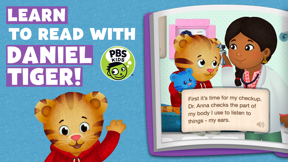
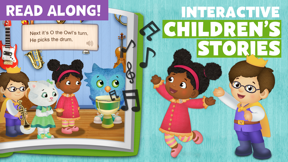

Bilingual content expands addressable market to Spanish-speaking households
- Interactive storybook format provides meaningful educational content for young children without overstimulation
- Persistent application crashes prevent users from accessing the content after purchase

Play pretend & explore at the doctor's & school in Daniel Tiger's Neighborhood.


Seasonal content refreshes provide recurring retention triggers
- Open-ended exploration mechanics provide long-term engagement for young children
- Frequent application crashes during launch prevent access for paid users

Show your elite agent mood with this Odd Squad team Badge watch face!


Americas-centric footprint across 2 markets.
Based on 8 of 16 apps with localized market data, more coverage rolling in as scans complete · last scanned .
Americas (2)
- United States8 / 8
- Mexico1 / 8
Core markets (8/8 apps)
User Sentiment
How do users feel about their apps?
2
Positive apps
5
Neutral / mixed
2
Negative apps
46/100
Avg sentiment score

Unlock the app dragging this portfolio down.
Access the full report for freeRivals
Who does PBS KIDS compete with?
The rivals identified
Nemeses(5)


Provides a structured, research-based curriculum for ages 2-8, competing for the same parent segment that values educational efficacy.


Dominates the digital library space with a massive content catalog that dwarfs the target's limited storybook collection.


Provides a completely free, high-quality curriculum that directly competes with the target's paid life-lesson stories.


Users report: Both apps target the digital dollhouse and pretend-play market for young children, competing for the same parent-purchaser demographic.


Tynker is the direct market leader in the early-childhood visual coding niche, offering a comprehensive curriculum that mirrors the target's core value proposition at a much larger scale.
Contenders(5)


Targets the same 3-7 age group with a structured, teacher-designed curriculum, competing for parents who prioritize educational outcomes.


Targets the same 2-7 age demographic with a research-backed curriculum, acting as a high-conversion competitor for parents seeking structured content.


Aggressive release cadence and gamified learning approach create a more addictive experience than static storybooks.


Targets the same 2-8 age group with a Montessori-inspired digital playroom, offering a calmer alternative to the source app.


A specialized coding-for-kids platform that focuses on game-based logic, serving as a direct functional alternative to the target app.
Same space(22)


Offers a voice-based AI tutor for ages 3-8, providing a more interactive, conversational alternative to static dollhouse play.


AdaptedMind Math targets the same educational space by providing adaptive, game-based learning that adjusts to a child's individual pace.


Bible App for Kids competes for the same preschool demographic by offering a free, gamified storytelling experience that functions as a primary faith-based resource.


SplashLearn competes for the same audience by providing an adaptive, curriculum-aligned environment for math and reading practice.


Serves as the primary sandbox-heavy rival, offering a more dynamic, creative dollhouse experience that challenges static interactions.


Think!Think! Games for Kids competes for the same educational screen time by offering puzzle-based games designed to foster critical thinking.


Uses a bubble-themed interface to teach foundational concepts, competing for the same toddler-focused educational market.


Offers a diverse range of educational content including vehicle customization, competing for the same toddler-focused audience.


It offers a direct alternative to the PBS library by providing a completely free, ad-free curriculum mapped to K-8 standards.


Captures the same toddler-education segment by providing an ad-free, offline-capable sandbox that competes for the same parent-focused demographic.


Offers an ad-less digital sandbox for toddlers, competing for the same parent-trust-focused segment as the source app.


Focuses on creative art and drawing, providing a specialized alternative to the general dollhouse play of the source app.


Provides a digital playground with 1,500+ characters, targeting the same role-play audience as the source app.


Provides an all-in-one educational platform for ages 2-7, competing for the same screen time with a wide variety of activities.


Focuses on logic and math problems, providing a more cognitively demanding alternative for the same preschool-to-first-grade audience.


It serves as a specialized, institution-focused sandbox that captures the older end of the PBS KIDS age range through collaborative game-based learning.


Focuses on open-ended play and exploration, serving as a thematic alternative to structured storybooks.


Acts as a subscription-based hub for legacy Toca Boca titles, competing for the same 2-8 age demographic.


Uses Common Core State Standards to provide a curriculum-aligned educational experience for the same 3-6 age group.


It offers a specialized math-focused curriculum that positions itself as a time-efficient alternative to traditional homework.


Leverages powerful IP to capture the same preschool audience through interactive play.


It offers a role-playing simulator that focuses on daily life skills, complementing the educational content found in PBS KIDS Games.
New entrants(3)


Rapidly emerging as a top-tier competitor with high-frequency updates and a focus on creative expression.


Aggressive release cadence and AI-driven conversational features make this a rapidly emerging threat in the education space.


Targets the same 2-5 age group with a privacy-first, zero-monetization model, appealing to parents who reject subscription-heavy models.
The Analyst's Read
The bottom line on PBS KIDS
Bottom line
PBS KIDS maintains a strong market position by prioritizing educational integrity over monetization, resulting in high user trust and significant scale. Their challenge lies in modernizing technical infrastructure to maintain performance standards while preserving their core value proposition of safe, free content.
Frequently asked questions
How many apps does PBS KIDS publish?
What kind of apps does PBS KIDS make?
What is PBS KIDS's top app?
In how many countries are PBS KIDS's apps available?
What fed this analysis
- Apps analyzed:
- 15
- With full intel:
- 5
- With overview:
- 15
- Website scraped:
- yes
- Social presence:
- no