
Blazej Stanek
 Shirabe Jisho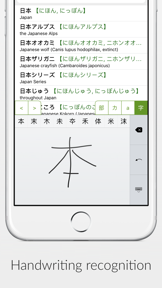

Snapshot


Publisher DNA
What defines Blazej Stanek?
AI intelligence is not yet available for Blazej Stanek. The portfolio data below is up to date.
Portfolio
What does Blazej Stanek ship?
Apps
1 app analysed
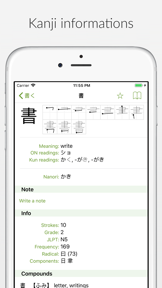
Kanji-specific input methods (handwriting, radicals) reduce lookup friction for non-native learners
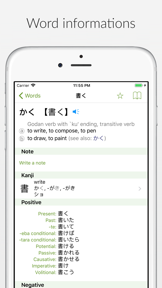
- Offline functionality allows consistent access to dictionary resources without requiring an active internet connection
- Navigation changes following the latest update disrupt the expected flow of the back gesture
Tightly focused on 2 markets (Japan, United States).
Based on 1 of 1 app with localized market data · last scanned .
Americas (1)
- United States1 / 1
Asia-Pacific (1)
- Japan1 / 1
Core markets (1/1 apps)
User Sentiment
How do users feel about their apps?
1
Positive apps
0
Neutral / mixed
0
Negative apps
92/100
Avg sentiment score
Rivals
Who does Blazej Stanek compete with?
The rivals identified
Nemeses(1)

Both apps target language learners requiring offline-first dictionary access and handwriting recognition, though they serve different linguistic markets. They compete for the same user base of students who prioritize specialized reference tools over general-purpose translation apps.
Contenders(9)


Both apps target Japanese language learners preparing for JLPT exams, creating a direct overlap in the student user base seeking linguistic resources.


Both apps target Japanese language learners with free, dictionary-focused tools, creating direct competition for users seeking efficient vocabulary and kanji lookup.


Both apps target Japanese language learners with offline-capable tools, though Shirabe Jisho focuses on dictionary utility while the rival focuses on structured N5-level curriculum.


Both apps target Japanese language learners with free, offline-capable dictionary tools, creating direct competition for users seeking efficient vocabulary lookup.


Both apps target Japanese language learners with offline-first dictionary tools and handwriting recognition, competing directly for the same study-focused user base.


Both apps target Japanese language learners with offline-first functionality and handwriting recognition, creating direct competition for users seeking study tools.


Both apps target Japanese language learners with offline-first dictionary tools, creating direct competition for users seeking reliable, internet-independent reference resources.


Both apps target Japanese language learners who require rapid character identification via handwriting, competing directly for users seeking efficient lookup tools.


Both apps target Japanese language learners with offline-first dictionary functionality and free pricing models.
Same space(4)


This tool serves as a specialized study companion for JLPT exam preparation, complementing dictionary lookups with structured test content.


This app functions as a general reference tool that competes for user attention by providing English definitions rather than Japanese linguistic data.


This app acts as a direct functional alternative for Japanese-English translation that shares the offline-first requirement but utilizes ad-supported monetization.


This utility provides a dedicated input mechanism for users needing to transcribe Japanese characters into other applications.
