
Block21 AB
For individuals seeking a manual, mobile-first solution for monitoring daily spending and personal budgets.
 My Wallet+
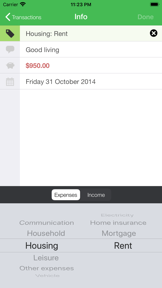


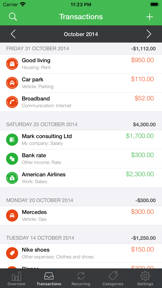
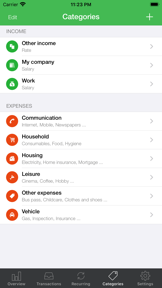
Snapshot
Who is Block21 AB?
Providing individuals with a straightforward, mobile-first tool for tracking personal income and expenses. Focused on simplifying daily financial management.
Target audience


Portfolio
Last updated

My Wallet+
v1.2014
6y ago
Publisher DNA
What defines Block21 AB?
Publisher DNA
Primary focus
Personal finance management tools
Scale
indie
Target audience
Individuals seeking a manual, mobile-first solution for monitoring daily spending and personal budgets.
Signature Patterns
- •Focus on manual transaction entry for personal finance
- •Paid pricing model
- •Emphasis on financial overview and customizable categorization
- •Long-term product support with a focus on core utility
Portfolio momentum
With no releases in the last 6 months and a single app in the portfolio, the publisher is currently in a maintenance phase.
Portfolio
What does Block21 AB ship?
Apps
1 app analysed
Rivals
Who does Block21 AB compete with?
The rivals identified
Nemeses(1)

Both apps target individuals managing personal budgets, but MoneyWiz 2026 competes by offering automated bank connectivity and AI-driven categorization that removes the manual entry requirement found in My Wallet+.
Contenders(10)


Both apps target personal budget management, but Bilance competes by removing the manual entry requirement that defines the My Wallet+ experience.


Both apps target individuals managing personal finances through expense logging, creating direct competition for users seeking mobile-first budget tools.


Milo competes for the same personal finance audience by offering automated bank aggregation, whereas My Wallet+ requires manual transaction entry for all expense tracking.


Both apps compete for personal finance users by offering distinct methods for tracking daily spending and managing recurring budgets.


Both apps target personal finance management through transaction tracking, creating direct competition for users seeking mobile-first expense logging.


Both apps target personal expense tracking through manual transaction logging, creating direct competition for users seeking mobile-first budget management.


Both apps target individuals managing daily personal expenses, creating direct competition for users seeking manual transaction logging tools.


Both apps target personal finance management through manual transaction entry, creating direct competition for users seeking mobile-first expense tracking.


Both apps target personal finance management through manual transaction tracking and categorization. They compete for users seeking mobile-first tools to monitor daily spending.


Both apps target individuals seeking mobile-first personal budget tracking and expense management. They compete directly for users prioritizing manual transaction control on Apple devices.
Same space(20)


Simplifies budgeting to a spendable balance model, catering to users who find transaction-heavy apps like My Wallet+ overwhelming.


Provides automated bank synchronization to help users make savings decisions, contrasting with manual-entry tools.


Targets couples with a visually engaging manual-entry interface that mirrors the simplicity of My Wallet+.


Bridges manual and automated tracking, targeting users who want more data consolidation than My Wallet+ provides.


Offers automated data aggregation that serves as a high-velocity alternative for users seeking less manual effort.


Uses AI to automate categorization, removing the manual entry burden present in My Wallet+.


Uses a virtual-envelope system that forces disciplined spending, appealing to users who find manual tracking insufficient.


Shares a manual-entry philosophy but prioritizes aesthetic design over the functional reporting focus of My Wallet+.


Competes for the manual-entry user base by offering granular control while suffering from subscription restoration friction.


Provides a collaborative dashboard for households, moving beyond the individual-focused scope of My Wallet+.


Focuses on granular manual control, directly competing with the core utility of My Wallet+.


Specializes in debt reduction strategies, offering a focused alternative for users with specific repayment goals.


Aggregates diverse asset classes for a net worth overview, serving users who need more than daily expense tracking.


Provides automated concierge services that address financial pain points beyond the manual tracking scope of My Wallet+.


Focuses on shared debt tracking rather than personal expense logging, serving as a companion for social spending.


Extends financial monitoring into investment and dividend tracking, serving as an adjacent tool for asset-focused users.


Uses the Ramsey zero-based budgeting methodology to drive financial discipline, appealing to users seeking structured wealth building.


Provides a free, offline-capable utility for group bill splitting that complements personal expense tracking.


Offers a complex zero-based budgeting methodology that contrasts with the manual simplicity of My Wallet+.


Offers automated categorization and simple infographics, providing a more visual experience than manual-only tools.
The Analyst's Read
The bottom line on Block21 AB
Bottom line
Block21 is a niche, single-product publisher that has successfully maintained a high-rated finance utility for over a decade. Their future relevance depends on their ability to defend their manual-entry value proposition against the industry-wide shift toward automated, API-driven financial tracking.
Frequently asked questions
How many apps does Block21 AB publish?
What kind of apps does Block21 AB make?
What is Block21 AB's top app?
What fed this analysis
- Apps analyzed:
- 1
- With full intel:
- 0
- With overview:
- 1
- Website scraped:
- yes
- Social presence:
- no