


Blupry
For chess players seeking automated board analysis and productivity-focused users requiring document and research tools.
 Blupry Survival Kit


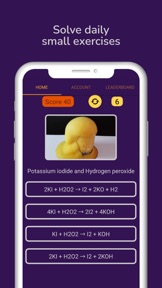
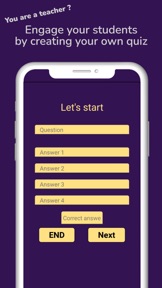



Snapshot
Who is Blupry?
Providing specialized utility and productivity tools for chess enthusiasts and content creators. Focused on integrating AI-driven analysis into mobile workflows.
Target audience


Portfolio
Free 4Last updated

Blupry Survival Kit
v2.5.2
2.1y ago
Publisher DNA
What defines Blupry?
Publisher DNA
Primary focus
Utility and productivity tools with a recent focus on chess AI
Scale
studio
Target audience
Chess players seeking automated board analysis and productivity-focused users requiring document and research tools.
Signature Patterns
- •Heavy reliance on image recognition and AI-based analysis for utility apps
- •Transitioning from general-purpose tools to niche hobbyist utilities
- •Monetization model shifting toward paid upfront pricing for new AI tools
- •High-frequency release cadence for specialized utility features
Portfolio momentum
Released 8 updates across 12 apps in the last 6 months, with a high frequency of new utility tool launches in early 2026.
Portfolio
What does Blupry ship?
Apps


Single-market publisher, every app ships only to United States.
Based on 1 of 15 apps with localized market data, more coverage rolling in as scans complete · last scanned .
Americas (1)
- United States1 / 1
Core markets (1/1 apps)
Rivals
Who does Blupry compete with?
The rivals identified
Nemeses(2)

Both apps target users seeking science-based knowledge assessment, but the rival offers a broader general science scope for free while the target app focuses exclusively on chemistry for a 0.99 dollar fee.


Both applications target chess players requiring image-based board digitization for engine analysis, creating direct competition for the same user base.
Contenders(13)


Both apps compete for the same educational trivia audience by offering gamified knowledge assessment in scientific disciplines.


Both applications target chess players requiring board digitization for engine analysis, creating direct competition for the same utility-focused user base.


Both applications target chess players seeking game analysis, but Chessigma provides a broader suite of training tools while Scan Chess Board AI focuses on physical board digitization.


This app targets the same chemistry learning audience with a similar level-based structure.


Both applications target chess players requiring image recognition to digitize and analyze physical or digital board positions for engine evaluation.


Both applications target chess players needing to digitize physical boards for engine analysis, creating direct competition for the same utility-focused user base.


Both apps target chess players requiring engine-based position analysis on mobile devices, creating direct competition for users seeking to evaluate game states.


Both applications target chess players seeking analytical tools for gameplay improvement, and both utilize a one-time purchase model rather than recurring subscriptions.


Both apps target chess players requiring image-based board scanning and engine analysis. The rival competes directly by offering identical core scanning functionality for free, whereas the source app charges a fee.


Both apps target chess players needing board digitization and engine analysis, creating direct competition for users seeking to analyze physical or digital board positions.


Both apps compete for the same educational market by offering interactive science content for students and parents. They overlap in their goal of providing supplemental learning tools for science-related topics.


Both apps target chess players requiring engine analysis, but they diverge on input methods: Scan Chess Board AI uses image recognition for physical boards, while Stockfish Chess relies on manual PGN management.


Both applications target chess players requiring board digitization for analysis, creating direct competition for the same utility-focused user base.
Same space(35)


This app offers AI-powered analysis to help players understand their mistakes, overlapping with the source app's educational utility.


It offers a 3D-focused simulation that provides a different visual experience for the same core chess-playing audience.


This app is a direct functional clone of the source app, focusing on digitizing physical boards for immediate move calculation.


This app provides a similar suite of engine-based analysis tools, positioning itself as an all-in-one companion for chess study.


This app targets the same student audience but suffers from severe technical decay and aggressive paywall friction.


This app provides professional-grade move classification and analysis, serving as a free alternative for game review.


This app targets the same chemistry student demographic with a specialized, curriculum-aligned question bank.


This app covers the same chemistry branches as the source app but emphasizes a broader educational journey.


This app targets the same chemistry quiz audience but provides free, multi-language support and varied quiz formats.


It competes by offering a distraction-free learning environment that prioritizes ad-free gameplay over the source app's scanning utility.


This app targets general science learners with a broader scope than the source app's chemistry focus.


It targets serious players by offering multi-engine support and deep configuration options for position analysis.


It offers a conversational coaching interface that provides a more interactive, personalized alternative to static engine analysis.


This app competes for the same chemistry education segment by using collectible rewards to drive user engagement.


This app provides a similar multiple-choice assessment tool but suffers from extreme long-term dormancy.


This app targets the same offline-first demographic but relies on an ad-heavy model that contrasts with the paid utility of the source app.


This app targets the same chemistry student demographic with a focus on exam preparation across specific chapters.


This app targets the same introductory chemistry audience with a focus on factual recall and misconception identification.


This app serves the same self-evaluation audience with a focus on performance reporting rather than gamified progression.


This app directly mirrors the source app's core utility by combining camera scanning with engine-based analysis.


This app addresses a specific sub-niche of chemistry education by focusing on nomenclature and chemical formulas.


This app focuses on the same chemistry education niche with a specific emphasis on periodic table memorization.


It targets the same analysis-focused audience by allowing users to import screenshots for engine-backed move recommendations.


It provides a minimalist offline experience that serves as a simple alternative for users not requiring engine analysis.


This app is a direct functional competitor that uses cloud-based Stockfish analysis to serve the same position-scanning use case.


This app expands the quiz scope to include multiple scientific disciplines using AI-driven generation.


This app focuses on the same periodic table memorization niche as other chemistry-specific quiz apps.


This app focuses on structured training and puzzles, providing a learning-centric alternative to the source app's analysis utility.


It serves as a professional-grade analysis tool that competes for the same advanced user base as the source app.


This app provides a full-featured simulation environment that competes for the same casual user base seeking chess practice tools.


It serves as a direct alternative for users wanting a digital platform for AI-based play and game history management.


It functions as a broad-market chess utility that overlaps with the source app's audience by offering integrated AI tutoring.


This app offers a subscription-based alternative for users who prefer a versatile platform for both AI and online matches.


This app provides a broader science trivia experience that competes for the same casual learning time.


This app competes for the same casual chemistry learner but lacks the active development cycle of modern apps.
New entrants(1)


It provides a focused puzzle-solving experience that complements the source app's analysis tools for tactical training.
The Analyst's Read
The bottom line on Blupry
Bottom line
Blupry is a nimble studio currently retooling its portfolio toward AI-powered chess utilities. Their ability to rapidly ship and iterate on niche tools suggests a lean development process, though long-term viability depends on their ability to capture market share in the competitive chess analysis space.
Frequently asked questions
How many apps does Blupry publish?
What kind of apps does Blupry make?
What is Blupry's top app?
In how many countries are Blupry's apps available?
What fed this analysis
- Apps analyzed:
- 12
- With full intel:
- 0
- With overview:
- 12
- Website scraped:
- yes
- Social presence:
- no
