


The Chess Solitaire Sudoku Factory
For strategy enthusiasts and health-conscious adults seeking mental stimulation, professional-grade chess training, or behavioral tracking tools.
 Brain School - Brain Training!


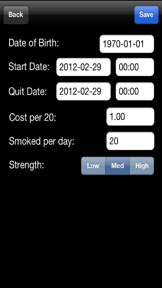


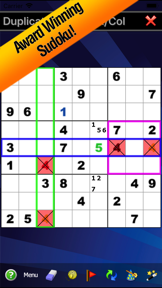
Snapshot
Who is The Chess Solitaire Sudoku Factory?
Providing professional-grade strategy engines and cognitive tools to help users sharpen mental skills and track health milestones.
Target audience


Portfolio
Free 7Last updated

Brain School - Brain Training!
v8.8.4
2.7y ago
Publisher DNA
What defines The Chess Solitaire Sudoku Factory?
Publisher DNA
Primary focus
Classic strategy games and cognitive training tools
Scale
studio
Target audience
Strategy enthusiasts and health-conscious adults seeking mental stimulation, professional-grade chess training, or behavioral tracking tools.
Origin
Operates under the Mastersoft brand with a portfolio history dating back to at least 2009, focusing primarily on iOS and Mac platforms.
Signature Patterns
- •Heavy emphasis on offline-first functionality and sophisticated AI-driven gameplay
- •Mixed monetization strategy utilizing free, freemium, and premium paid tiers
- •Portfolio composition heavily weighted toward evergreen strategy and logic puzzles
- •High maintenance cadence for legacy applications, with some titles supported since 2009
Portfolio momentum
With 31 releases across 12 apps in the last 6 months and 66% of the portfolio remaining active, the publisher is aggressively maintaining its legacy titles.
Portfolio
What does The Chess Solitaire Sudoku Factory ship?
Apps
12 apps analysed

Adaptive AI engine provides a personalized challenge loop without requiring cloud-based processing
- Guided training modules provide effective skill development for novice chess players
- Recent design changes introduce visual clutter and slow down piece movement animations


Distributed across 12 markets, strongest in Europe.
Based on 1 of 12 apps with localized market data, more coverage rolling in as scans complete · last scanned .
Americas (3)
- Brazil1 / 1
- Mexico1 / 1
- United States1 / 1
Europe (7)
- France1 / 1
- Germany1 / 1
- Italy1 / 1
- Netherlands1 / 1
- Portugal1 / 1
›+2 more europe markets
- Spain1 / 1
- Sweden1 / 1
Asia-Pacific (2)
- Japan1 / 1
- South Korea1 / 1
Core markets (1/1 apps)
User Sentiment
How do users feel about their apps?
1
Positive apps
1
Neutral / mixed
0
Negative apps
74/100
Avg sentiment score
Rivals
Who does The Chess Solitaire Sudoku Factory compete with?
The rivals identified
Nemeses(4)

With over 1.7 million ratings, this app dominates the casual chess market through extreme simplicity and long-standing brand presence.


Both apps compete for the same casual match-3 puzzle audience, with Royal Match capturing users through a freemium model while Fruit Salad - No Ads requires a flat 3.99 dollar purchase.


Both apps target casual card game players seeking classic solitaire, with the rival competing for the same user base through a freemium model while Solitaire Favorites offers a one-time purchase.


Both apps target smoking cessation by tracking financial savings and progress, creating direct competition for users seeking habit-tracking tools.
Contenders(31)


Directly competes on the 'learning' value proposition by using a conversational, coach-led pedagogical approach.


A long-standing, high-rated generalist chess app that serves as a baseline for standard functionality.


Both apps target the match-3 puzzle category, competing for the same casual gaming audience through distinct gameplay mechanics.


Both apps target casual solitaire players, but they diverge on monetization: Solitaire Favorites offers a one-time purchase for an ad-free experience, while the rival uses an ad-supported model with a recurring subscription.


Both apps compete for the same casual puzzle audience by utilizing tile-matching mechanics to drive daily engagement.


Both applications target the same chess-playing demographic, but Chess Online captures the social and multiplayer segment that Chess Pro lacks.


Both applications target the same skill-progression demographic, but Chess without ads uses a freemium model to capture casual users while Chess Pro. maintains a strict paid, ad-free value proposition.


Captures the specific segment of users focused purely on tactical improvement through massive puzzle libraries.


Both apps target casual card game players, with Solitaire Favorites offering a broad library and Solitaire Klondike! focusing on a single, widely recognized variant.


Both applications target the same chess-playing demographic, with Chess Pro. offering a paid, ad-free experience while the rival captures the casual market through free, offline-first access.


Both apps target casual match-3 players, but they diverge on monetization: Fruit Salad offers a paid, ad-free experience while Cookie Jam Blast relies on a freemium model with increasing ad frequency.


A massive competitor that gamifies the chess experience with RPG-like progression and visual rewards.


Both apps target casual card game players, but Microsoft Solitaire Collection competes by offering a massive, free-to-play library that captures users seeking daily progression systems.


Both apps compete for the same solitaire audience, but they diverge on monetization: Solitaire Favorites offers a one-time purchase for a large library, while FreeCell: Card Game uses a subscription model for ad removal.


Chess Clash competes for the same casual and competitive chess player base by offering a freemium model with seasonal progression, contrasting with the one-time purchase, ad-free experience of Chess Pro.


Both apps compete for the same casual solitaire audience by offering overlapping game modes like Klondike and Spider. They differ primarily in their monetization, with one requiring an upfront purchase and the other utilizing a freemium model.


Both apps target the match-3 puzzle category with slot-machine-inspired mechanics, competing for the same casual gaming audience.


This app shares the same casual card game space but lacks a paid ad-removal path, causing churn among high-value users.


Both apps compete for the same casual puzzle audience by offering distinct matching mechanics within the same category. They vie for the same user time-share despite the difference between match-3 slot mechanics and pair-matching gameplay.


Both applications target the chess category, competing for the same user base by offering distinct approaches to gameplay: professional training versus visual immersion.


Chess Royale competes for the same beginner-to-intermediate player base by offering a tutorial-heavy interface and multiplayer matchmaking, despite its reliance on ad-monetization.


Both apps target the same solitaire enthusiast demographic with overlapping game libraries, forcing a choice between a paid, ad-free experience and a free, larger-library alternative.


Both apps compete for the same casual puzzle gamer demographic by offering distinct tile-matching mechanics within the same category.


Both apps target casual solitaire players, but Solitaire Favorites provides a paid, ad-free library of 40 variants while Solitaire.com captures the free-to-play market with ad-supported Klondike mechanics.


Both apps compete for the same casual match-3 puzzle audience, forcing a choice between a premium slot-integrated experience and a free-to-play level-based progression system.


Both applications target the same skill-progression demographic, forcing users to choose between the professional engine performance of Chess Pro and the free, visually diverse experience of Chess Prime 3D.


Both apps target casual card game players by bundling multiple solitaire variants into a single download. They compete directly for the same user base seeking classic card play.


Both applications target the same chess player demographic, competing for user time through overlapping gameplay modes and AI-driven training features.


Both apps target the match-3 puzzle category, competing for the same casual gaming audience despite different monetization models.


Both apps target the match-3 puzzle category and compete for the same casual gaming audience through fruit-themed mechanics.


Both apps compete for the casual match-3 puzzle audience, with Match Story capturing players through narrative progression while Fruit Salad targets those seeking slot-machine mechanics.
Same space(19)


This app acts as a utility for digitizing physical boards, contrasting with the training-focused approach of Chess Pro.


This adjacent solitaire variant targets the same casual card game audience through a specific game rule set.


This app offers a minimalist, offline training environment for users who prefer focused puzzle practice without account requirements.


This adjacent card game app captures the same casual audience looking for single-player card experiences.


No 3 in line targets the same casual puzzle audience but shifts the focus from slot-style matching to grid-based logic prevention.


This app experiments with LLM-based gameplay, offering a chaotic alternative to the rigid, rule-based engine of Chess Pro.


This app targets users seeking curated, historical puzzle content rather than the general training tools found in Chess Pro.


A niche-focused board app that targets users looking for specific engine-based analysis tools.


This app provides a dedicated tactical training library for users who prioritize puzzle volume over engine-based gameplay.


It complements smoking cessation by providing physiological metrics that users can monitor to observe improvements in cardiovascular health over time.


This app acts as a broader health dashboard that allows users to log multiple vitals alongside the smoking cessation progress tracked in My Last Cigarette PV.


This app provides a basic Spider Solitaire implementation targeting the same casual card game audience.


This app targets the same wellness-conscious demographic by focusing on hydration as a foundational habit for long-term health maintenance.


This app provides a cloud-based move calculator for users who want external engine assistance rather than internal training tools.


This app is a direct competitor in the FreeCell sub-genre that focuses on a minimalist, no-frills user experience.


Tropicats shares the match-three puzzle genre but adds a narrative-driven decoration layer that provides long-term retention beyond the core puzzle loop.


This app targets the same casual card game demographic with a specific focus on accessibility for seniors.


Onet Classic Fruit Link Puzzle offers a similar fruit-themed visual aesthetic but utilizes a pair-matching mechanic rather than the slot-machine integration found in the source app.


This app targets the same casual card game audience with a focus on customization and difficulty settings.
New entrants(2)


A highly active, open-source platform that has seen significant recent development velocity.


Users report: This app focuses on privacy and active decision-making, serving users who reject the data-harvesting models of larger platforms.
The Analyst's Read
The bottom line on The Chess Solitaire Sudoku Factory
Bottom line
Mastersoft is a disciplined studio that leverages technical engine performance to maintain a dominant position in the classic strategy niche. Their ability to sustain high ratings across a decade-old portfolio signals a loyal user base and successful long-term product lifecycle management.
Frequently asked questions
How many apps does The Chess Solitaire Sudoku Factory publish?
What kind of apps does The Chess Solitaire Sudoku Factory make?
What is The Chess Solitaire Sudoku Factory's top app?
In how many countries are The Chess Solitaire Sudoku Factory's apps available?
What fed this analysis
- Apps analyzed:
- 12
- With full intel:
- 0
- With overview:
- 12
- Website scraped:
- yes
- Social presence:
- no
