


Optime Software
For casual gamers and strategy enthusiasts seeking traditional, offline-capable logic and board games.
 Chess ∙


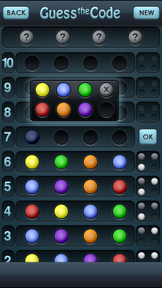


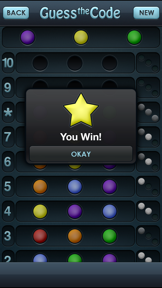


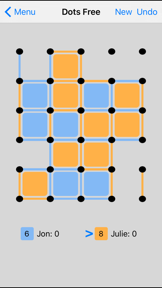





Snapshot
Who is Optime Software?
Providing high-utility, digital adaptations of classic board and card games for casual players seeking free, professional-grade alternatives.
Target audience


Portfolio
Free 27Last updated

Chess ∙
v4.18
11mo ago
Publisher DNA
What defines Optime Software?
Publisher DNA
Primary focus
Digital adaptations of classic board and card games
Scale
studio
Target audience
Casual gamers and strategy enthusiasts seeking traditional, offline-capable logic and board games.
Origin
Founded to provide free mobile versions of classic games like Tic Tac Toe and Checkers that were previously sold at premium prices.
Signature Patterns
- •Dual-tier monetization strategy offering free ad-supported versions alongside paid 'Pro' or 'Premium' ad-free editions.
- •Heavy emphasis on 'professional-grade' features like advanced AI engines and game analysis tools within simple UI wrappers.
- •Consistent focus on 'evergreen' IP (Chess, Solitaire, Checkers) rather than original game mechanics.
- •High frequency of maintenance updates across the active portfolio to ensure compatibility and ad performance.
Portfolio momentum
With 17 updates in the last 6 months and over 57% of the portfolio currently active, the publisher is aggressively maintaining its legacy catalog.
Portfolio
What does Optime Software ship?
Apps
32 apps analysed

The inclusion of hint features and visual aids helps players learn and improve their tactical decisions
- The core backgammon gameplay loop remains highly addictive and engaging for long-term strategy enthusiasts
- Users report the dice rolls feel rigged to favor the CPU opponent, especially at higher difficulty levels

Small app footprint minimizes barrier to entry
- Diverse regional draughts variations provide deep strategic variety for long-term board game enthusiasts
- Aggressive advertising patterns force users into unwanted app downloads or prevent game progression

Ad-free premium model removes common ad-density friction
- The core checkers engine provides a challenging experience that helps players improve their strategic skills
- Users report that paid ad-removal features fail to function, resulting in persistent ad interruptions


Massive legacy rating count (1.7M+) driving ASO
- Core Gameplay Experience
- Aggressive Ad Frequency


Minimalist interface design provides a distraction-free classic experience
- Adjustable difficulty levels allow players to find a challenging yet rewarding chess experience
- Intrusive and persistent advertisements block the game interface and disrupt the user experience
Distributed across 18 markets, strongest in Europe.
Based on 13 of 32 apps with localized market data, more coverage rolling in as scans complete · last scanned .
Americas (4)
- United States13 / 13
- Mexico4 / 13
- Brazil1 / 13
- Canada1 / 13
Europe (8)
- France4 / 13
- Germany4 / 13
- Italy4 / 13
- Spain4 / 13
- Netherlands1 / 13
›+3 more europe markets
- Portugal1 / 13
- Turkey1 / 13
- United Kingdom1 / 13
Asia-Pacific (6)
- Australia1 / 13
- India1 / 13
- Indonesia1 / 13
- Japan1 / 13
- Singapore1 / 13
›+1 more asia-pacific market
- Vietnam1 / 13
Core markets (13/13 apps)
User Sentiment
How do users feel about their apps?
3
Positive apps
10
Neutral / mixed
5
Negative apps
50/100
Avg sentiment score
Unlock the app dragging this portfolio down.
Access the full report for freeRivals
Who does Optime Software compete with?
The rivals identified
Nemeses(8)


Both apps target casual players with free, ad-supported models, competing for the same low-barrier entry segment.


A major player in the casual board game space with a massive, highly-rated user base.


Directly challenges the target's 'best looking' value proposition with high-fidelity 3D graphics.


Both applications target the same beginner-to-intermediate chess demographic with free, ad-supported models and integrated learning tools.


A high-volume, long-standing alternative that captures the casual, offline-first market segment.


Both apps target the same backgammon player base, but Lord of the Board captures the social-competitive segment through live tournaments and multiplayer, while Backgammon Pro serves the traditionalist niche.


Both apps target the checkers board game audience, with Checkers Online Elite capturing users through a free-to-play model and tournament-based social features that directly compete with the paid, AI-centric offering of Checkers Premium.


This is the only direct thematic competitor in the pool, offering the exact same core gameplay loop as the target app.
Contenders(28)


Both apps target casual checkers players, but the rival captures a larger user base by offering free online matchmaking and social play, directly challenging the paid model of Checkers Premium.


Focuses on high-frequency updates and a modern, stylized approach to the classic game.


Both apps target the same casual chess demographic and share core features like Chess960 support and engine-based tutoring, creating direct competition for users seeking offline-capable learning tools.


Both apps target the offline-first chess market, but Chess ⁺ captures users through a training-focused feature set that Chess Premium lacks.


Both apps target the beginner-to-intermediate chess segment with ad-supported models, creating direct competition for casual players seeking skill development and AI-driven practice.


A stable, minimalist alternative that serves as a direct peer in the general chess category.


Both apps target the same casual-to-advanced chess player demographic and offer core AI-driven gameplay, creating direct competition for users seeking practice tools.


Both apps compete for the same backgammon player base, but the rival captures users through a free-to-play model with integrated online multiplayer and ELO rankings that the current app lacks.


Both apps compete for the casual board game audience, but Backgammon Legends captures the social-competitive segment through multiplayer features that Backgammon Pro lacks.


Both apps target the casual chess market with free, ad-supported models, but the rival focuses on multiplayer social features while the target app emphasizes solo educational play.


Master Checkers Multiplayer competes by offering free online and local multiplayer, directly targeting the same casual board game audience that currently experiences broken matchmaking in Checkers Premium.


Both apps target the same backgammon enthusiast segment, competing directly on the $3.99 to $4.99 price point and the value proposition of digital board game play.


Backgammon Pro Online competes by offering real-time multiplayer and social chat features, directly addressing the lack of social connectivity in Backgammon Pro. This creates a direct conflict for users seeking competitive play beyond static AI opponents.


Both apps target checkers enthusiasts with AI-driven gameplay, creating direct competition for users seeking a focused board game experience.


Both apps target the same casual chess player demographic, but they diverge on monetization and connectivity: Chess Premium offers an ad-free offline experience for a flat fee, while Chess Online & Offline captures engagement through a large puzzle library and online ranked play.


A legacy competitor with a massive install base that maintains a similar, albeit static, feature set to the target app.


Checkers Online competes for the same casual board game audience by offering a free, cross-platform multiplayer experience that directly challenges the paid, single-player focused model of Checkers Premium.


Both apps compete for the casual mobile chess audience by offering free-to-play experiences with ad-supported monetization and offline AI modes.


Both apps target the same backgammon player base, but Backgammon King Online captures users through free-to-play social mechanics and live multiplayer that Backgammon Pro lacks.


Both apps target casual chess players seeking accessible, free gameplay. Chess Offline competes by offering a distraction-free, offline-first environment that contrasts with the ad-heavy experience of Chess ∙.


Both apps target casual and beginner chess players with free, AI-based gameplay, but the rival focuses on a fully offline experience while Chess ∙ relies on ad-supported connectivity.


Draughts 64 competes by offering a free, multi-rule set checkers experience that directly challenges the paid, single-rule model of Checkers Premium. It captures casual players through Game Center integration and accessibility features that the current version of Checkers Premium lacks.


Both apps target the same segment of traditionalist board game players who prefer a distraction-free environment over modern social-gambling mechanics.


Both apps target the same backgammon player base, with Backgammon Galaxy capturing the competitive segment that Backgammon Pro fails to serve due to its lack of updates.


Both apps target the ad-free, paid chess market, but Chess Pro undercuts the $9.99 price point of Chess Premium while offering verified training tools.


Both apps target the checkers player base on mobile, with the rival offering a free, variant-heavy alternative to the paid, single-variant focus of Checkers Premium.


Both apps target casual board game enthusiasts with classic backgammon gameplay, creating direct competition for the same user base despite differing monetization models.


Both apps target the same casual strategy board game audience, competing directly for time spent on classic backgammon gameplay.
Same space(19)


A massive social-gaming platform that demonstrates how to scale simple board games into high-revenue social networks.


Targets the niche board-game enthusiast segment with a focus on traditional, professional-grade chess utility.


The primary open-source alternative that prioritizes a completely free, ad-free experience for purists.


Challenges the paid model by offering a completely free, ad-free experience without monetization friction.


This app targets the same solo-play audience as Chess ∙ but emphasizes visual realism and tournament-style simulation.


Serves as a hardware-linked companion app for physical smart boards, extending chess play into the physical realm.


This app functions as a broader board game hub that captures the same strategy-focused demographic through a multi-game collection.


A strong peer in the classic board game space that excels at monetization through virtual currency and competitive leagues.


Targets the specific sub-niche of chess training and puzzle solving rather than general gameplay.


A top-tier puzzle game that demonstrates how to monetize and retain users in the casual gaming space.


A long-standing peer in the casual board game category with a proven track record of multiplayer engagement.


This app attempts to capture Chess ∙'s casual audience but suffers from extremely low engagement and minimal user feedback.


This app serves the same casual, offline-focused demographic as Chess ∙ but prioritizes aesthetic customization over engine-driven tutoring.


Directly competes for the same offline, casual user base by offering adaptive difficulty levels.


This app competes for the same casual checkers audience by replacing a static paid model with a high-velocity, live-service meta-game.


An iconic puzzle brand that successfully transitioned to a modern mobile-first, live-service model.


This app serves as an adjacent casual gaming alternative that captures the same user base seeking classic board and dice game mechanics.


This app competes for Chess ∙'s casual user base by removing the aggressive ad load that currently degrades the user experience.


This app functions as a utility layer for chess players, contrasting with Chess ∙'s focus on self-contained game play.
New entrants(3)


A recent entrant showing active development velocity that could disrupt the stagnant legacy checkers market.


This app serves the same niche of serious players as Backgammon Pro but replaces the ad-supported casual loop with a professional-grade study tool.


A recent entrant showing high engagement potential through a focus on multiplayer connectivity.
The Analyst's Read
The bottom line on Optime Software
Bottom line
Optime Software is a dominant legacy player in the classic games category, leveraging a 'utility-first' approach to maintain massive organic reach. Their success is built on being the definitive free version of traditional games, though they now face the challenge of balancing monetization with the high expectations of their long-term user base.
Frequently asked questions
How many apps does Optime Software publish?
What kind of apps does Optime Software make?
What is Optime Software's top app?
In how many countries are Optime Software's apps available?
What fed this analysis
- Apps analyzed:
- 33
- With full intel:
- 15
- With overview:
- 33
- Website scraped:
- yes
- Social presence:
- no