


Tripledot Studios
For casual mobile gamers, including seniors, seeking low-pressure, relaxing, and brain-training puzzle experiences.
 Triple Tile: Match Puzzle Game












Snapshot
Who is Tripledot Studios?
Providing accessible, meditative puzzle experiences for casual gamers. They focus on high-frequency, low-friction gameplay for short sessions.
Target audience


Portfolio
Free 65Last updated

Triple Tile: Match Puzzle Game
v2.75.04
18d ago
Publisher DNA
What defines Tripledot Studios?
Publisher DNA
Primary focus
Mobile games · casual puzzle and card games
Scale
scale-up
Target audience
Casual mobile gamers, including seniors, seeking low-pressure, relaxing, and brain-training puzzle experiences.
Signature Patterns
- •Heavy reliance on freemium models with aggressive ad-supported gameplay.
- •Focus on 'Zen', 'relaxing', and 'stress-relief' branding to drive user retention.
- •High-frequency release of puzzle variants including tile-matching, sorting, and classic card games.
- •Strong emphasis on offline playability across the majority of the portfolio.
- •Standardized UI/UX patterns optimized for short, repetitive play sessions.
Portfolio momentum
With 188 releases in the last 6 months and a high volume of active titles, the publisher maintains an aggressive development and update cycle.
Portfolio
What does Tripledot Studios ship?
Apps
66 apps analysed

Offline-first architecture captures travel-segment usage
- Diverse puzzle selection provides a sharp mental challenge for casual daily play sessions
- Aggressive advertisement frequency disrupts the flow of short puzzle sessions post-update

Low-stress gameplay loop offers a relaxing experience for casual sessions without time pressure
- High-velocity cannon mechanics provide a satisfying sense of impact when toppling object stacks
- Frequent interstitial advertisements interrupt the flow of gameplay and frustrate active users

One-tap controls lower the barrier to entry for casual puzzle players.
- The core emoji matching gameplay loop provides a relaxing and engaging experience for casual puzzle players
- Technical instability causes the application to freeze or interfere with other background processes during active gameplay


Logic-based core loop sustains high session frequency
- Satisfying color-sorting mechanics provide a relaxing and mentally stimulating experience for casual players
- Excessive frequency of advertisements disrupts the flow of the core puzzle experience

Daily reward challenges create consistent return loops
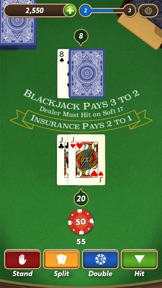
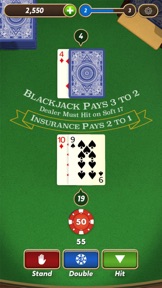
- Classic blackjack mechanics provide an engaging and fast-paced experience for players learning the game
- Excessive ad frequency interrupts gameplay every few hands, forcing players to watch long, unskippable content
Distributed across 20 markets, strongest in Europe.
Based on 20 of 66 apps with localized market data, more coverage rolling in as scans complete · last scanned .
Americas (4)
- United States20 / 20
- Mexico9 / 20
- Brazil7 / 20
- Canada2 / 20
Europe (9)
- Spain9 / 20
- Germany8 / 20
- France7 / 20
- Italy7 / 20
- Netherlands7 / 20
›+4 more europe markets
- Portugal7 / 20
- Sweden7 / 20
- Turkey3 / 20
- United Kingdom3 / 20
Asia-Pacific (7)
- Japan10 / 20
- South Korea7 / 20
- India3 / 20
- Indonesia3 / 20
- Singapore3 / 20
›+2 more asia-pacific markets
- Vietnam3 / 20
- Australia2 / 20
Core markets (20/20 apps)
User Sentiment
How do users feel about their apps?
21
Positive apps
23
Neutral / mixed
16
Negative apps
52/100
Avg sentiment score

Unlock the app dragging this portfolio down.
Access the full report for freeRivals
Who does Tripledot Studios compete with?
The rivals identified
Nemeses(6)


Arrow Puzzle: Tap Puzzle Games competes for the same mental-reset ritual audience by utilizing a tap-away logic mechanic that functions as a daily relaxation tool.
Differentiators
- Dominant position in classic logic and board game categories
- Expertise in long-term retention through daily challenges and trophies


The definitive market leader for Klondike Solitaire that sets the standard for features and daily engagement.


Both apps target casual gamers seeking offline-capable logic puzzles, creating direct competition for the same user segment.


Royal Smash! targets the same casual physics-puzzle audience as Angry Smash by utilizing identical cannon-based destruction mechanics and a free-to-play model. Its scale of over 144,000 ratings indicates it captures a larger portion of the shared target demographic.


Both applications target the same casual card game audience, competing directly for time spent within blackjack gameplay loops.


The definitive technical benchmark for digital coloring, maintaining dominance through superior brush engine fidelity and professional-grade toolsets.
Contenders(4)


Both apps target the same casual card game audience with free-to-play blackjack mechanics, creating direct competition for daily active users.


Both apps target casual physics-puzzle players with cannon-based destruction mechanics, creating direct competition for the same short-session, low-stress gaming demographic.


A premium alternative that targets the 'mindfulness' audience through curated, artist-driven content and integrated journaling.


Both apps target the casual blackjack segment, but Blackjack Live ™ Casino 21 shifts the experience from solitary practice to a social, live-hosted environment.
Same space(49)


The foundational block puzzle brand that shares the core spatial reasoning audience.
Differentiators
- Expertise in integrating loyalty rewards and social features into casual games
- Exclusive rights to one of the most valuable IPs in gaming history


Arrow Puzzle: Tap Puzzle Games competes for the same mental-reset ritual audience by utilizing a tap-away logic mechanic that functions as a daily relaxation tool.


This app directly mirrors the source app's strategy of bundling a large collection of offline mini-games.


Screw Sort Puzzle: Pin Jam 3D appeals to the same casual puzzle demographic by offering a stress-free sorting experience designed for quick play sessions.


This app serves the same casual slide-puzzle audience with a deep library of levels for long-term retention.


Blackjack 21: Strategy Trainer targets the same audience as a non-gaming educational utility for mastering blackjack decision-making.


Water Sort! Color Sort Puzzle targets the same casual audience by providing a relaxing, logic-based sorting experience that functions as a daily mental-reset ritual.


Block Color Mania, Puzzle Game serves the same casual puzzle audience by providing a tactile, no-timer sorting experience that avoids high-pressure gameplay.


Blackjack: Real Card Game targets the same card-game audience by combining multiple game modes and skill-based tournament integration.


Yarn Fever! Unravel Puzzle competes for the same casual puzzle audience by blending ASMR-inspired relaxation with logic-based sorting challenges.


Goods Puzzle: Sort Challenge™ captures the same casual puzzle market through 3D matching mechanics that prioritize short-session engagement.


It captures the same casual logic-puzzle audience by blending humor with tricky brain-teaser scenarios.


Blackjack - Vegas Casino Real targets the same casual blackjack players but adds wearable device support to increase accessibility.


This app competes for the same offline-first casual puzzle audience but differentiates itself by offering an ad-free experience.


Blackjack Trainer Strategy 21 serves the same blackjack-interested audience by providing educational tools rather than simulated casino gambling.


Hard Rock Blackjack & Casino provides a similar suite of table games and slots, appealing to the same casual player looking for risk-free casino entertainment.


This app dominates the same offline puzzle space with a massive install base and high-frequency content updates.


The primary mechanical alternative; users frequently switch between ball-based and liquid-based sorting for variety.


It serves the same offline-first casual puzzle audience with a minimalist, endless hexagonal grid loop.


Brain Puzzle 3: Crazy Mind appeals to the same casual puzzle segment by offering a collection of varied logic problems that demand quick thinking.


It targets the same logic-puzzle audience by focusing on a sleek, user-friendly interface for number-matching games.


Arrows – Puzzle Escape targets the same casual demographic with a logic-based puzzle loop that relies on high-volume, handcrafted content to sustain daily engagement.


This app captures the same traffic-jam puzzle segment as the source app, focusing on logic-based escape mechanics.


House of Blackjack 21 shares the same card-game focus but adds real-time video chat to differentiate its social experience from standard blackjack apps.


This app targets the same logic-puzzle audience with a focus on arithmetic-based matching mechanics.


Hole Stars: Puzzle Game shares the casual puzzle audience by utilizing a physics-based collection mechanic that provides immediate, addictive feedback.


It competes for the same offline-first casual puzzle audience by offering a minimalist, stress-free alternative to ad-heavy games.


Quick Hit Casino competes for the same casual casino-gaming time-share by offering authentic Vegas-style slot machines with high-frequency reward loops.


Baccarat - Casino Style targets the same casino-enthusiast segment by providing a specialized, authentic simulation of a single casino card game.


Poker Heat competes for the same card-game player base by gamifying Texas Hold'em through a league-based ladder system.


Big Fish Casino functions as a broader social casino platform that captures the same adult demographic but shifts focus from single-player blackjack to a 100+ slot library and social club system.


Cube Land Puzzle Game targets the same casual demographic by providing a relaxing, no-timer block puzzle experience for short breaks.


Fish Sort Puzzle shares the casual puzzle audience by offering a logic-based sorting loop that competes for the same short-session attention span.


This app competes for the same casual logic-puzzle audience by emphasizing humorous, narrative-driven scenarios.


Jackpot World targets the same casual casino audience by utilizing a high-frequency content release cycle to maintain daily active usage.


A functional competitor focusing on art therapy and realistic textures, though currently experiencing slower update cycles.


It targets the same offline casual puzzle demographic with a specific number-merge mechanic.


21 Blitz targets the same card-game players but introduces a hybrid skill-based tournament model that monetizes competitive play rather than just casino simulation.


It competes for the same casual puzzle audience by using humorous, narrative-driven riddles to differentiate from standard logic games.


It serves the same offline-capable casual puzzle demographic but targets older adults with specific accessibility features.


Marble Sort! - Color Puzzle targets the same casual puzzle audience by combining physics-based marble movement with color-matching logic.


A legacy powerhouse in the category that competes for the same casual user seeking simple stress relief.


This app competes for the same block-placement puzzle audience by offering a minimalist, offline-first experience.


Blackjack 21: Blackjackist serves the same blackjack-focused audience but adds 3D-rendered visuals and cross-game account synchronization to increase switching costs.


Mega Hit Poker targets the same card-game audience by focusing on high-concurrency tournament play and cross-platform progression.


It competes for the same casual puzzle audience by using a tactile, retro aesthetic to differentiate from modern minimalist apps.


Royal Jackpot Casino Machines targets the same casual casino audience with a large slot library and an ad-free interface.


Jackpot Friends targets the same casino-gaming demographic by focusing on high-volume content updates and initial coin bonuses to drive retention.


This app serves the same block-puzzle audience by emphasizing a strategic, non-addictive approach to line elimination.
New entrants(4)


It competes for the same casual puzzle audience by focusing on a relaxation-first, word-construction loop.


A rising threat using a modern, minimalist aesthetic to attract a younger, design-conscious demographic.


Blackjack Glory 21 targets the same casual audience by offering a simplified, fast-paced blackjack experience for short play sessions.


This app targets the same puzzle-purist audience by offering a privacy-focused, ad-free sliding puzzle experience.
The Analyst's Read
The bottom line on Tripledot Studios
Bottom line
Tripledot Studios has successfully scaled a portfolio of high-retention casual puzzles by leveraging data-driven design, though their current monetization intensity poses a risk to long-term user loyalty. Their ability to maintain a massive, active library suggests a highly efficient production pipeline that remains a dominant force in the casual puzzle segment.
Frequently asked questions
How many apps does Tripledot Studios publish?
What kind of apps does Tripledot Studios make?
What is Tripledot Studios's top app?
In how many countries are Tripledot Studios's apps available?
What fed this analysis
- Apps analyzed:
- 58
- With full intel:
- 58
- With overview:
- 58
- Website scraped:
- yes
- Social presence:
- yes
