


Nebula Studio
For casual gamers, particularly adults and seniors, seeking low-pressure, offline-accessible mental stimulation.
 Mahjong Blast


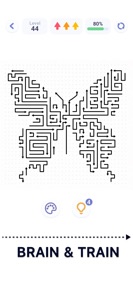

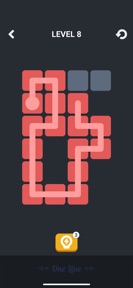


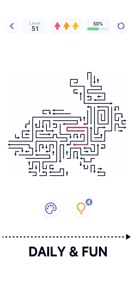


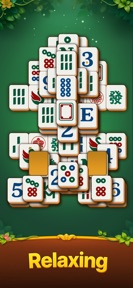

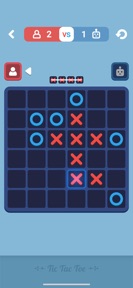
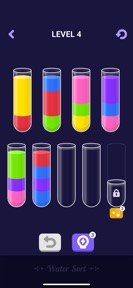


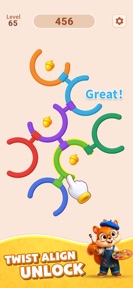


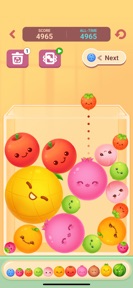
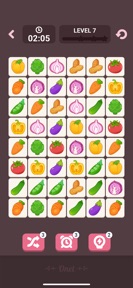


Snapshot
Who is Nebula Studio?
Providing accessible, offline-first puzzle games for adults and seniors. Focused on stress relief and brain training through minimalist mechanics.
Target audience


Portfolio
Free 19Last updated

Mahjong Blast
v3.0.2
2d ago
Publisher DNA
What defines Nebula Studio?
Publisher DNA
Primary focus
Casual puzzle and logic games
Scale
indie
Target audience
Casual gamers, particularly adults and seniors, seeking low-pressure, offline-accessible mental stimulation.
Signature Patterns
- •Strict focus on offline-first gameplay mechanics
- •Monetization primarily driven by ad-supported models
- •Minimalist, distraction-free UI design
- •Rapid iteration on classic puzzle genres like Mahjong, Sudoku, and Block-matching
Portfolio momentum
Released 24 updates across 7 apps in the last 6 months, indicating a high-frequency development cycle.
Portfolio
What does Nebula Studio ship?
Apps
19 apps analysed
Relax with mahjong solitaire puzzle games! Match tiles to keep your mind sharp.


Offline-first architecture expands addressable market
- The core mahjong tile-matching gameplay provides a relaxing and mentally stimulating experience for casual players
- Aggressive and frequent advertisements interrupt the gameplay loop and often redirect users away from the app

All in One Games: 100 games, mini games, and no wifi games fun await!


Strong ASO for 'No Wifi' and 'Offline' keywords
- Offline Accessibility
- Users report: False Advertising

Relaxing color block puzzle game: place blocks, clear lines & enjoy the blast!


Analysis in progress

Distraction-free mode increases ad-impression inventory
- Relaxing puzzle mechanics provide effective stress relief and mental distraction for casual players
- Aggressive ad placement during gameplay disrupts the flow and frustrates long-term users

Analysis in progress
Distributed across 20 markets, strongest in Europe.
Based on 4 of 19 apps with localized market data, more coverage rolling in as scans complete · last scanned .
Americas (4)
- United States4 / 4
- Brazil3 / 4
- Canada3 / 4
- Mexico3 / 4
Europe (9)
- France3 / 4
- Germany3 / 4
- Italy3 / 4
- Netherlands3 / 4
- Portugal3 / 4
›+4 more europe markets
- Spain3 / 4
- Sweden3 / 4
- Turkey3 / 4
- United Kingdom3 / 4
Asia-Pacific (7)
- Australia3 / 4
- India3 / 4
- Indonesia3 / 4
- Japan3 / 4
- Singapore3 / 4
›+2 more asia-pacific markets
- South Korea3 / 4
- Vietnam3 / 4
Core markets (4/4 apps)
User Sentiment
How do users feel about their apps?
3
Positive apps
2
Neutral / mixed
2
Negative apps
58/100
Avg sentiment score

Unlock the app dragging this portfolio down.
Access the full report for freeRivals
Who does Nebula Studio compete with?
The rivals identified
Nemeses(8)


Competes for the same casual puzzle audience by offering a similar repetitive matching loop that functions without network connectivity.


This is the most direct rival, sharing the exact 'Block Puzzle' core loop and massive scale, with a proven track record of sustaining high engagement.


This app captures the same senior and casual demographic by using theme-based word puzzles to drive daily habits.


Shares the senior-focused, offline-capable tile-matching niche, creating direct competition for the same low-pressure daily habit.


The foundational puzzle game that defines the category, serving as the ultimate benchmark for block-based mechanics.


Both apps compete for the same casual puzzle audience by utilizing triple-match mechanics to drive short-session engagement.


Both apps target casual gamers seeking offline-capable, lightweight entertainment, creating direct competition for time spent in low-connectivity environments.


Both apps target the casual tile-matching demographic with offline-capable play, creating direct competition for daily engagement among seniors and casual puzzle players.
Contenders(28)


Appeals to the same casual, relaxing puzzle segment with a large library of content.


Both apps target the same senior and casual demographic with mahjong-inspired tile-matching mechanics and rely on ad-supported monetization models.


Targets the same casual puzzle demographic with a minimalist, offline-first matching experience.


Appeals to the same brain-training demographic through Mahjong-inspired mechanics, though it adds a narrative layer absent in the source app.


Both apps target the casual puzzle market with tile-matching mechanics, competing for the same short-session play time.


Both apps target the same senior demographic with offline-first mahjong mechanics, competing directly for daily active users in the US Board Game category.


Both apps compete for the casual gaming audience by offering a library of mini-games, but they diverge on core technical requirements like offline play.


This app targets the same casual puzzle demographic by adding a 3D layer and limited-capacity constraints to traditional tile-matching.


Both apps target the casual puzzle market using identical triple-match mechanics. They compete for the same user base seeking short, stress-free play sessions.


Directly targets the 'Jewel' aesthetic segment of the target app's feature set.


Both apps target the same casual offline gaming demographic by aggregating puzzle and board games for users without internet access.


The pioneer of the genre, maintaining a massive user base and consistent update cycle.


Both apps target casual gamers with triple-match puzzle mechanics, competing directly for the same low-pressure, short-session play audience.


Both apps target the senior demographic with high-contrast, large-tile interfaces and rely on ad-supported monetization, creating direct competition for users seeking accessible, low-pressure puzzle experiences.


Both apps compete for the same casual gaming audience by providing large libraries of mini-games within a free, ad-supported model. They target users seeking low-friction, ad-hoc entertainment sessions.


Both apps compete for casual gamers by providing consolidated libraries of offline-capable mini-games, targeting users who require entertainment in environments with limited connectivity.


Both apps target casual gamers through tile-matching mechanics, competing directly for the same short-session puzzle engagement.


Both apps compete for the same casual gaming audience by providing a centralized hub of mini-games to reduce device clutter and provide immediate, ad-hoc entertainment.


Both apps target the same senior demographic with high-contrast, accessibility-focused tile-matching gameplay. They compete directly for the same user base by offering offline-capable, relaxing puzzle experiences.


Both apps compete for the same casual gaming audience by offering collections of mini-games designed for offline play.


While more riddle-focused, it captures the same 'math logic' audience seeking a mental workout.


Both apps target the same senior demographic with offline-first, tile-matching gameplay, creating direct competition for time-share among users seeking low-stress puzzle experiences.


Both apps compete for the same casual puzzle audience by utilizing identical triple-match mechanics to drive short play sessions.


Both apps target casual gamers through tile-matching mechanics, competing directly for the same short-session puzzle audience.


Both apps target casual gamers through tile-matching mechanics, competing for the same short-session puzzle market.


Both apps compete for the same casual gaming audience by offering aggregated mini-game libraries within a single, lightweight interface.


Both apps target the senior demographic with accessible, tile-matching gameplay, creating direct competition for users seeking cognitive stimulation.


Both apps target casual gamers using identical triple-match mechanics, creating direct competition for the same low-pressure puzzle audience.
Same space(50)


A leading 3D object-matching game that shares the 'satisfying' and 'clean' visual themes.


It targets the same casual puzzle segment with a satisfying, addictive loop based on a central mechanic.


It shares the hybrid puzzle structure, forcing players to manage card decks alongside jigsaw-style piece placement.


Competes for the same casual puzzle audience by modernizing Mahjong mechanics for short, repetitive play sessions.


This app targets the same relaxing puzzle demographic by blending card-sorting logic with traditional jigsaw completion.


Block Out! competes for the same casual puzzle time-share by introducing dynamic elements like elevators and generators to the standard matching loop.


It serves the same casual card-puzzle audience, though it focuses on classic solitaire rather than word-hybrid mechanics.


Serves the same casual puzzle segment with a focus on brain training, though it utilizes an event-driven loop to drive session frequency.


It serves the same relaxing puzzle audience by combining jigsaw solitaire with dynamic block-dropping mechanics.


A broader logic puzzle peer that captures users looking for creative mental challenges.


It serves the same offline-first casual puzzle demographic but retains users better through narrative progression and decoration mechanics.


It targets the same commuter and traveler demographic with a battery-efficient, offline-first library of casual arcade games.


Colony Flow! shares the casual puzzle space with Tap Tile! by using a thematic ant colony narrative to drive tile-sorting mechanics.


It occupies the same casual-gaming space by offering short, interactive tasks that function without internet connectivity.


Targets the same casual puzzle demographic with an offline-capable, classic tile-matching experience.


This app targets the same relaxing, brain-training demographic with a bottle-sorting logic mechanic.


Mahjong by Brainium targets the same casual puzzle demographic as Tap Tile! with a focus on modern aesthetics and customization.


It shares the same casual sorting puzzle space, utilizing an ASMR-inspired visual style to drive engagement.


It serves the same casual-gaming space by providing a massive library of logic titles that do not require an active internet connection.


It expands the offline-gameplay utility to wearable devices, targeting the same casual audience across multiple hardware platforms.


Offers a similar minimalist, offline-capable tile-matching experience for users seeking short mental breaks.


The leading casual puzzle game that sets the standard for room decoration and progression.


Triple Harvest™ competes for the same casual puzzle audience as Tap Tile! by applying 3D matching to an interactive orchard theme.


This app functions as a direct alternative for users seeking a centralized hub of lightweight, offline-capable casual games.


Targets the same senior and casual demographic with a massive content library, creating a high-retention alternative to the source app.


It serves the same casual card-puzzle audience, though it focuses on classic solitaire rather than word-hybrid mechanics.


This app targets the same offline-gaming audience but emphasizes local multiplayer competition on a single device.


It aligns with the source app by blending solitaire card mechanics with word-based logic puzzles.


This app competes for the same casual, offline-first puzzle audience by using a high-contrast tile-matching interface.


The foundational game of the color-sorting genre that established the core user behavior.


This app shares the casual-puzzle category but focuses on a cozy, decoration-based progression loop rather than pure offline utility.


A foundational number-merging logic game that occupies the same casual 'waiting room' play sessions.


It occupies the same low-pressure logic puzzle niche, relying on handcrafted levels to build long-term retention.


It shares the same senior-focused brain-training and offline-first positioning, though it suffers from similar churn-inducing progression penalties.


Bus Fever Party! competes for the same casual puzzle attention as Tap Tile! by applying sorting mechanics to a traffic-themed escape scenario.


Targets the same classic puzzle demographic with an offline-first utility focus, though it lacks the live-ops progression found in modern rivals.


Targets the same casual puzzle audience by blending traditional tile-matching with modern progression elements.


This app competes for the same senior-focused brain-training audience by framing tile-matching as a strategic mental gym rather than casual relaxation.


This app provides a similar tactile, organizational experience for casual players seeking stress relief.


This app competes for the same casual-puzzle audience by offering a similar offline-first utility that functions in airplane mode.


It serves the same casual card-puzzle audience with an offline-first, classic solitaire experience.


It competes for the same casual puzzle audience but utilizes social-retention loops to maintain a higher grossing position.


A classic logic puzzle that is essentially the precursor to modern cross-math games, using sums to fill grids.


This app captures the same pattern-matching puzzle audience by focusing on character-based logic and visual recognition.


This app shares the same casual sorting puzzle space, forcing users to manage grid-based patterns similar to the source app.


Targets the same casual puzzle audience but adds a home renovation meta-layer to drive long-term engagement.


This app competes for the same casual puzzle audience by using a similar grid-based sorting mechanic to drive daily engagement.


Serves the same casual brain-training demographic with a lightweight, portrait-optimized tile-matching experience.


Tile Vacation targets the same casual puzzle audience as Tap Tile! by offering a massive library of levels with modern visual twists.


Appeals to the same casual demographic but differentiates by offering a completely ad-free experience.
New entrants(5)


It targets the same casual audience by using a tile-based word construction loop to provide a relaxing mental exercise.


An emerging threat due to its 'all-in-one' puzzle approach, capturing users who want variety in one app.


Targets the same classic puzzle demographic with a depth-based scoring mechanic.


This app provides a similar offline-first hub for casual puzzle games, directly addressing the needs of travelers without internet.


It serves the same casual-puzzle audience by bundling classic logic and memory games into a single, offline-accessible application.
The Analyst's Read
The bottom line on Nebula Studio
Bottom line
Nebula Studio is a high-velocity indie developer that has achieved significant scale by mastering the offline-casual puzzle niche. Their ability to maintain high user sentiment in a crowded market suggests a strong product-market fit, provided they can balance aggressive ad-monetization with their core 'zen' value proposition.
Frequently asked questions
How many apps does Nebula Studio publish?
What kind of apps does Nebula Studio make?
What is Nebula Studio's top app?
In how many countries are Nebula Studio's apps available?
What fed this analysis
- Apps analyzed:
- 7
- With full intel:
- 7
- With overview:
- 7
- Website scraped:
- yes
- Social presence:
- no
