


Guru Puzzle Game
 Crossmath® - Math Puzzle Games






Publisher DNA
What defines Guru Puzzle Game?
AI intelligence is not yet available for Guru Puzzle Game. The portfolio data below is up to date.
Portfolio
What does Guru Puzzle Game ship?
Apps
12 apps analysed

Analysis in progress

Analysis in progress

3D Bus Games to train your brain! Sort passengers & solve the colorful bus jam.


Offline-first architecture enables play in low-connectivity environments
- The core gameplay loop provides a relaxing experience that helps players unwind during their daily routine
- Aggressive ad frequency interrupts the gameplay flow and forces users to watch long videos between levels

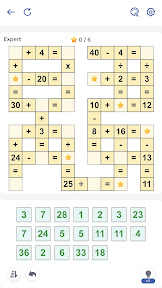
Fun Crossmath Math Puzzle Games for you to train your brain and relax!


Accessibility-focused design extends session length
- Educational math puzzles provide a fun and effective way for children to sharpen their calculation skills
- Excessive ad frequency disrupts the core puzzle experience and makes the game feel unplayable for some

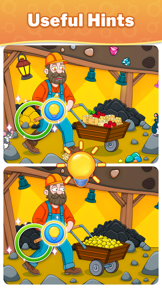
Can you spot all differences in 10k+ pics? Relax with Find the Difference games!


Zoom system reduces friction in difficult levels, driving rewarded-ad engagement.
- The core find-the-difference gameplay provides a relaxing and mentally stimulating challenge for players of all ages
- Aggressive and frequent advertisements disrupt the flow of gameplay and force users to watch long videos
Distributed across 12 markets, strongest in Europe.
Based on 5 of 12 apps with localized market data, more coverage rolling in as scans complete · last scanned .
Americas (3)
- United States5 / 5
- Brazil4 / 5
- Mexico4 / 5
Europe (7)
- France4 / 5
- Germany4 / 5
- Italy4 / 5
- Netherlands4 / 5
- Portugal4 / 5
›+2 more europe markets
- Spain4 / 5
- Sweden4 / 5
Asia-Pacific (2)
- Japan4 / 5
- South Korea4 / 5
Core markets (5/5 apps)
User Sentiment
How do users feel about their apps?
2
Positive apps
2
Neutral / mixed
1
Negative apps
57/100
Avg sentiment score
Unlock the app dragging this portfolio down.
Access the full report for freeRivals
Who does Guru Puzzle Game compete with?
The rivals identified
Nemeses(4)


It serves the same casual mental-stimulation market but utilizes daily challenge streaks to build a recurring habit that the source app lacks.


Both apps target the same casual puzzle audience with identical spot the difference mechanics, competing for attention within the same store category.


Both apps target the same casual audience with identical grid-based arithmetic mechanics, creating direct competition for daily brain-training habits.


Both apps compete for the same casual solitaire audience within the US Game Card category, sharing a core loop of daily challenges and card-based puzzles.
Contenders(35)


Both apps compete for the same casual solitaire audience by offering classic card game mechanics, though they differ in their specific monetization and feature sets.


Both apps target the same casual puzzle audience with identical visual-search mechanics, forcing them to compete directly for daily active users in the puzzle category.


It targets the same casual puzzle audience but differentiates by adding virtual pet customization to its seek-and-find loop.


Both apps target casual gamers seeking daily arithmetic brain training through grid-based crossword mechanics, creating direct competition for the same daily-habit user segment.


Both apps target the casual puzzle market with identical spot the difference mechanics, competing for the same user base seeking low-stakes visual observation games.


Both apps target casual arithmetic puzzle players, with the rival offering an offline-first sliding-block mechanic that competes for the same daily mental stimulation audience.


Both apps target casual puzzle players seeking visual observation challenges, creating direct competition for user attention within the find-the-difference category.


Both apps target the same casual solitaire audience through Klondike gameplay and visual customization. They compete directly for time spent within the classic card game category.


Both apps target the same casual puzzle audience with identical core mechanics, competing directly for time spent in low-stakes visual observation sessions.


Both apps compete for the same casual card game audience by offering classic Klondike gameplay, with both currently struggling to balance ad-supported monetization against user retention.


Both applications target casual players through arithmetic-based crossword grids, competing directly for daily brain-training habits.


Both apps compete for the same casual solitaire audience, utilizing identical core card-matching mechanics to capture daily engagement within the puzzle category.


Both applications target the same arithmetic-based logic puzzle audience and utilize a shared grid-based gameplay loop.


Both apps target casual users seeking daily mental arithmetic practice through puzzle-based loops, creating direct competition for the same daily active user base.


Both apps compete for casual puzzle players by offering spot-the-difference mechanics, though Christmas Differences targets a seasonal niche while Differences - Find & Spot It maintains a year-round library.


Both apps target the same casual arithmetic puzzle audience through grid-based logic gameplay and overlapping core mechanics.


Both apps target the casual puzzle segment with identical core mechanics of identifying discrepancies between image pairs, competing directly for users seeking low-stakes cognitive training.


Both applications target the same math puzzle audience with freemium arithmetic gameplay, directly competing for daily active users through similar logic-based mechanics.


Both applications target casual puzzle players through visual observation mechanics and rely on ad-supported free-to-play models to monetize session time.


Both apps target the same casual puzzle audience with identical core mechanics, competing directly for time-share in the visual observation category.


Both apps compete for the same casual card game audience by offering classic Klondike gameplay, forcing a choice between the source's premium ad-removal tier and the rival's offline-first, ad-supported model.


Both apps target casual gamers seeking visual observation puzzles, creating direct competition for daily active time within the same puzzle category.


Both apps target the math crossword puzzle category, competing for the same casual puzzle audience through arithmetic-based grid mechanics.


Both applications target arithmetic puzzle enthusiasts by utilizing a crossword-style grid to present addition, subtraction, multiplication, and division challenges.


Both apps target the same casual arithmetic puzzle demographic using a grid-based crossword format, creating direct competition for daily brain-training habits.


Both apps compete for the same casual daily active user base by offering classic card game mechanics within a free-to-play, ad-supported model.


Both apps compete for the same casual adult demographic seeking daily mental stimulation through card-based puzzles.


Both apps compete for the same casual puzzle audience by offering visual observation challenges with thousands of image sets. They share a direct overlap in core gameplay mechanics and target user demographics.


Both apps target the math puzzle category with arithmetic-based grid mechanics, directly competing for the same casual brain-training audience.


Both apps target the math puzzle audience by replacing traditional crossword letters with arithmetic equations. They compete for the same educational screen time among students and parents.


Both apps target the same casual puzzle audience with identical core mechanics of identifying discrepancies in image sets. They compete directly for the same user base seeking low-stakes visual observation games.


Both apps compete for the same casual card-game audience by offering freemium solitaire experiences that prioritize stress relief and brain training.


Both apps target the same casual arithmetic puzzle audience using identical crossword-style grid mechanics to facilitate daily brain training.


Both apps target the casual mental arithmetic puzzle market with a grid-based crossword format, competing for the same daily brain-training user base.


Both apps target the casual puzzle segment with identical core mechanics of identifying visual discrepancies in static images.
Same space(29)


Targets the same casual visual-search demographic with a specific cat-themed aesthetic for stress relief.


This app provides a similar logic-based puzzle experience to Crossmath, focusing on sequence-based challenges for a broad age range.


Shares the casual stress-relief audience but uses a plant-growing meta-layer to differentiate from static puzzles.


This app targets the same mystery-puzzle audience by leveraging the Sherlock Holmes intellectual property to attract fans of detective narratives.


Competes for the same daily mental-workout habit but uses a classic logic grid format instead of visual comparison.


Targets the same casual puzzle player with 3D matching mechanics that prioritize short-session engagement.


This app targets the same detail-seeker demographic by offering a high volume of levels without time pressure.


Captures the same stress-relief audience through a Zen-like sorting loop rather than static image comparison.


Serves the same casual puzzle demographic with a high-contrast tile-matching loop instead of image spotting.


Targets the same brain-training audience with varied logic challenges instead of static image differences.


This app competes for the same casual puzzle audience by offering a variety of environments to test observation skills.


It targets the same puzzle enthusiasts but uses interactive, zoomable map exploration to create a more immersive experience than static-scene alternatives.


It captures the same card-game demographic but utilizes a distinct IP-based progression model.


This app serves the same mystery-seeking audience but differentiates through supernatural steampunk aesthetics and social guild mechanics.


This app targets the same Klondike-focused user base with a similar daily challenge structure.


Shares the casual visual-search audience but uses a 5-lives system to pace sessions differently than the source app.


This app targets the same casual brain-training demographic as Crossmath by utilizing geometric pattern-recognition puzzles to test user IQ.


It targets the same casual observation audience but employs a multi-mode gameplay structure to increase ad-impression inventory.


It targets the same casual puzzle audience but attempts to differentiate through dynamic object animations within its scenes.


Mathify serves the same audience but avoids the connectivity-dependent ad model of Crossmath by using an offline-first architecture.


It competes for the same casual puzzle audience by blending search mechanics with mansion renovation to create a hybrid progression loop.


This app serves the same find-the-difference audience by focusing on accessibility tools to cater to a broader, more casual demographic.


Targets the same casual cognitive-training demographic but shifts from visual differences to riddle-based logic.


This app competes for the same casual audience by prioritizing a clean interface and daily engagement loops.


This app shares the same casual, low-pressure audience but uses a high-definition image library as its primary retention mechanism.


Mathris competes for the same casual puzzle-solving time as Crossmath by introducing a speed-based performance metric to its equation puzzles.


It serves the same casual puzzle audience but uses themed level stages to create a content-gated progression loop.


This app targets the same arithmetic puzzle audience but functions as a static, maintenance-mode alternative without the frequent content updates found in the source app.


It serves as an adjacent card game option for users who enjoy the classic solitaire aesthetic.
New entrants(1)

known for Seekrets: Hidden Objects
This app serves the same casual puzzle audience by focusing on category-based item matching within colorful scenes.
