


Vita Studio
For older adults and seniors seeking accessible, low-stress cognitive stimulation and entertainment.
 Vita Mahjong


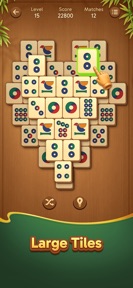















Snapshot
Who is Vita Studio?
Providing accessible, brain-training puzzle games specifically designed for the senior demographic. Their portfolio focuses on cognitive health and relaxation through simplified, high-contrast interfaces.
Target audience


Portfolio
Free 15Last updated

Vita Mahjong
v3.37.0
21d ago
Publisher DNA
What defines Vita Studio?
Publisher DNA
Primary focus
Mobile puzzle and card games for seniors
Scale
studio
Target audience
Older adults and seniors seeking accessible, low-stress cognitive stimulation and entertainment.
Signature Patterns
- •Senior-centric UI design featuring large, high-contrast elements
- •Freemium monetization model with ad-supported gameplay and IAP for ad removal
- •Focus on classic, low-complexity puzzle and card game genres
- •Emphasis on cognitive health and brain-training value propositions
- •Support for offline play across the majority of the portfolio
Portfolio momentum
Released 66 updates across 13 apps in the last 6 months, with all top titles receiving updates within the last 30 days.
Portfolio
What does Vita Studio ship?
Apps
15 apps analysed


Big Card FreeCell Solitaire for Seniors. Play the Classic FreeCell Game Now!


Large piece HD jigsaw puzzles for the elderly. Easy to see, easy to play.


High-contrast UI accessibility
- Senior-centric design barrier


Offline mode removes connectivity barriers for casual play
- Relaxing gameplay loop provides a calming mental exercise that helps players manage daily stress levels
- Recent updates removed variety by deleting special levels and board types that kept gameplay fresh
Distributed across 20 markets, strongest in Europe.
Based on 8 of 15 apps with localized market data, more coverage rolling in as scans complete · last scanned .
Americas (4)
- United States8 / 8
- Brazil7 / 8
- Mexico5 / 8
- Canada3 / 8
Europe (9)
- Portugal7 / 8
- France5 / 8
- Germany5 / 8
- Spain5 / 8
- Italy3 / 8
›+4 more europe markets
- Netherlands3 / 8
- Sweden3 / 8
- Turkey3 / 8
- United Kingdom3 / 8
Asia-Pacific (7)
- Australia3 / 8
- India3 / 8
- Indonesia3 / 8
- Japan3 / 8
- Singapore3 / 8
›+2 more asia-pacific markets
- South Korea3 / 8
- Vietnam1 / 8
Core markets (8/8 apps)
User Sentiment
How do users feel about their apps?
3
Positive apps
1
Neutral / mixed
2
Negative apps
56/100
Avg sentiment score

Unlock the app dragging this portfolio down.
Access the full report for freeRivals
Who does Vita Studio compete with?
The rivals identified
Nemeses(5)


Successfully pivots the core sorting mechanic into a ball-based physics environment, capturing adjacent puzzle demand.


Both apps compete for the same casual card-game audience by utilizing ad-supported freemium models to capture time-sensitive, low-stress play sessions.


Both apps target the same casual puzzle demographic with large-tile interfaces, creating direct competition for users seeking low-stress, accessible mahjong-style gameplay.


With over 1.3 million reviews and consistent bi-monthly updates, this app defines the market standard for the water-sorting genre.


Both apps compete for the same casual puzzle demographic by offering offline-capable Mahjong Solitaire, directly overlapping in their target audience of players seeking meditative, low-pressure gaming.
Contenders(18)


Both apps target the same senior and casual demographic with a classic tile-matching loop, creating direct competition for users seeking low-intensity mental exercise.


Both apps target casual puzzle players with a classic Mahjong solitaire experience, competing for the same daily-habit demographic.


Both apps target casual card players with ad-supported freemium models, creating direct competition for users seeking low-stress, classic solitaire experiences.


Both apps target casual puzzle players with offline-capable Mahjong mechanics, creating direct competition for users seeking a low-pressure daily routine.


Vigor Mahjong targets the same senior demographic as Vita Mahjong by explicitly marketing large-tile accessibility and a tranquil, non-competitive puzzle experience. This direct overlap in audience and core gameplay mechanics positions it as a viable alternative for users currently dissatisfied with forced competitive features.


Both applications target the casual puzzle demographic through Mahjong Solitaire mechanics, competing for the same user base seeking mental relaxation and cognitive focus during daily downtime.


Both apps compete for the same casual Mahjong Solitaire audience by offering pattern-based puzzle challenges designed to form a daily habit.


Both apps target the same senior demographic with tile-matching mechanics and suffer from identical monetization friction regarding broken ad-free purchase flows.


Offline-first 3D sorting loop targets the same transit-gaming audience while offering a different sensory experience.


Both apps target the same senior demographic with high-contrast, large-tile interfaces, creating direct competition for users seeking accessible, low-pressure puzzle experiences.


Both apps compete for the same casual puzzle audience within the Mahjong Solitaire category, creating direct overlap for users seeking a daily relaxation routine.


Both apps target the same casual puzzle demographic with tile-matching mechanics, competing for the same relaxation-seeking user base.


Both apps target the casual card-game demographic with ad-supported models, competing for the same time-share in the daily routine of classic solitaire players.


Both apps target the same senior demographic with large-tile, offline-first interfaces, creating direct competition for users seeking low-pressure, accessible puzzle experiences.


A direct, high-volume competitor that focuses on the core water-sorting loop with a massive, established audience.


Both apps target the casual card-game demographic, but the rival competes directly by offering a one-time purchase option that avoids the ad-heavy monetization model of Vita Solitaire for Seniors.


Both apps target the casual mahjong solitaire demographic, creating direct competition for users seeking daily mental relaxation through identical tile-matching mechanics.


Both apps target the casual card-game market using ad-supported freemium models, competing directly for users seeking classic solitaire gameplay.
Same space(25)


Modernized Mahjong mechanics offer a similar casual loop for players seeking quick, repetitive brain-training sessions.


A strong peer in the sorting genre that demonstrates how to scale a simple mechanic to half a million reviews.


3D environment and limited-capacity board mechanics offer a strategic variation on traditional Mahjong tile clearing.


Massive library of 13,000+ HD images creates a content-based barrier that dwarfs the standard tile sets in Vita Mahjong.


Serves the same casual puzzle audience with an extensive library of over 1,000 levels and offline play.


Attracts the same casual puzzle audience by offering both relaxing and competitive speed-based game modes.


High-contrast design and enlarged elements directly compete for the same senior demographic as Vita Mahjong.


This app competes for the same casual puzzle audience but relies on a hybrid subscription model that creates friction compared to the ad-supported approach of Vita Solitaire.


Narrative-driven global adventure theme provides a progression layer that Vita Mahjong lacks.


Appeals to the same casual puzzle audience by focusing on a meditative, ASMR-driven matching experience.


While not a direct sorting game, it competes for the same 'relaxing, mentally stimulating' user intent.


Offline-first architecture serves the same casual puzzle demographic as Vita Mahjong without requiring constant connectivity.


This app targets the same senior demographic through accessibility features but utilizes a one-time purchase model that avoids the ad-monetization issues found in Vita Solitaire.


Scenic level progression creates a long-term retention loop that contrasts with the forced competitive leagues of Vita Mahjong.


Falling tile mechanics blend jigsaw and block puzzle elements, offering a hybrid alternative to traditional Mahjong.


Targets the same casual puzzle audience with a focus on tactile, focus-oriented assembly of art collections.


Competes for the same casual puzzle audience by blending Mahjong-inspired matching with home renovation tasks.


Targets the same casual puzzle audience with over 60 intricate tile sets and offline play.


Minimalist, offline-first design provides a distraction-free environment for users avoiding the aggressive ads of Vita Mahjong.


Offline-first architecture and 3D visual design provide a distinct aesthetic alternative to the traditional Mahjong style.


Stress-free, offline-capable design targets the same relaxation-seeking users who are currently churning from Vita Mahjong.


Targets the same casual puzzle audience with over 10,000 levels designed for relaxation.


Targets the same casual puzzle audience by requiring strategic stack management rather than simple matching.


Appeals to the same casual puzzle audience by prioritizing accessibility and a stress-free environment.


Targets the same casual puzzle audience with real-time competitive duels rather than static play.
New entrants(1)


Aggressive release velocity with 23 updates in six months signals a highly active, experimental product strategy.
The Analyst's Read
The bottom line on Vita Studio
Bottom line
Vita Studio is a focused studio that has achieved significant scale by successfully addressing the underserved senior mobile gaming market. Their consistent, high-velocity update cadence suggests a disciplined approach to maintaining product-market fit within their specific niche.
Frequently asked questions
How many apps does Vita Studio publish?
What kind of apps does Vita Studio make?
What is Vita Studio's top app?
In how many countries are Vita Studio's apps available?
What fed this analysis
- Apps analyzed:
- 13
- With full intel:
- 1
- With overview:
- 13
- Website scraped:
- yes
- Social presence:
- yes
