


Oakever Games
For casual mobile gamers, including seniors and faith-based users, seeking low-pressure mental stimulation and stress relief.
 Sudoku - Classic Sudoku Puzzle










Snapshot
Who is Oakever Games?
Creating evergreen casual games designed for relaxation, cognitive health, and long-term engagement across global audiences.
Target audience


Portfolio
Free 42Last updated

Sudoku - Classic Sudoku Puzzle
v5.55.0
6mo ago
Publisher DNA
What defines Oakever Games?
Publisher DNA
Primary focus
Casual puzzle, word, and board games
Scale
studio
Target audience
Casual mobile gamers, including seniors and faith-based users, seeking low-pressure mental stimulation and stress relief.
Origin
Headquartered in Singapore, the company was founded with a vision to create enduring, high-quality products through a philosophy of 'Iterate to Greatness.'
Signature Patterns
- •Consistent 'Zen' and relaxation themes across visual design and UX
- •Strategic expansion into niche demographics, specifically faith-based and senior-focused segments
- •Freemium monetization model utilizing ad-supported content with premium ad-removal tiers
- •Focus on 'evergreen' classic mechanics (Sudoku, Solitaire, Jigsaw) rather than novel gameplay
- •High-frequency update cadence to maintain app store visibility and performance
Portfolio momentum
With 175 updates across 26 active apps in the last 6 months, the publisher maintains a high-velocity development cycle to sustain its top-tier rankings.
Company profile
medium confidence- Headquarters
- Singapore
- Founded
- 2018
Portfolio
What does Oakever Games ship?
Apps
42 apps analysed


Offline-first architecture removes connectivity dependency
- The core puzzle mechanics provide a relaxing and mentally stimulating experience for casual players
- Aggressive and unskippable advertisements between levels disrupt the flow and frustrate the user experience


Looking for inspiration? Enjoy offline Bible word games and unlock daily verses.


Offline-first design ensures consistent ad-inventory generation
- Educational Bible content helps users refresh their knowledge and strengthen their faith daily
- Excessive and intrusive advertisements disrupt the focus on scripture and break the user experience


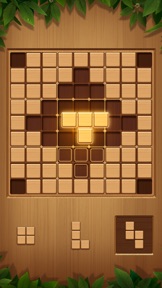
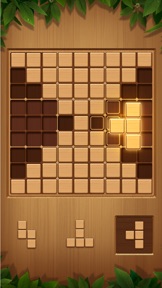
Play anytime, anywhere offline. Challenge your mind with block sudoku puzzles.


Distributed across 20 markets, strongest in Europe.
Based on 18 of 42 apps with localized market data, more coverage rolling in as scans complete · last scanned .
Americas (4)
- United States18 / 18
- Mexico15 / 18
- Brazil14 / 18
- Canada3 / 18
Europe (9)
- France14 / 18
- Italy14 / 18
- Portugal14 / 18
- Spain14 / 18
- Germany13 / 18
›+4 more europe markets
- Netherlands9 / 18
- Sweden9 / 18
- Turkey4 / 18
- United Kingdom4 / 18
Asia-Pacific (7)
- South Korea13 / 18
- Japan11 / 18
- Australia4 / 18
- India4 / 18
- Indonesia4 / 18
›+2 more asia-pacific markets
- Singapore4 / 18
- Vietnam4 / 18
Core markets (18/18 apps)
User Sentiment
How do users feel about their apps?
9
Positive apps
9
Neutral / mixed
4
Negative apps
53/100
Avg sentiment score

Unlock the app dragging this portfolio down.
Access the full report for freeRivals
Who does Oakever Games compete with?
The rivals identified
Nemeses(6)


Both apps target casual puzzle players with minimalist tap-away logic mechanics, competing directly for the same mental-reset ritual time slot on mobile devices.


Operates in the same offline-first word-puzzle space but suffers from maintenance-mode stagnation.


Competes for the same long-term retention segment by offering an ad-free experience across a massive level library.


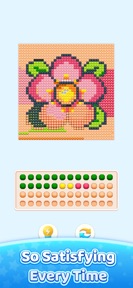
This app competes directly for the casual coloring audience by utilizing a similar paint-by-number core loop, though it shifts the focus from traditional coloring books to silhouette-based layering mechanics.


Both apps compete for the same casual puzzle audience by blending jigsaw and solitaire mechanics, creating direct overlap in the puzzle category.


Both apps target the same Christian audience seeking faith-based educational content through word-connect and search mechanics, creating direct competition for daily active users.
Contenders(25)


Both apps target the casual word puzzle audience with ad-supported monetization models, competing for the same daily habit time.


Both apps target the Christian casual gaming demographic by combining scripture-based content with word-puzzle mechanics to facilitate daily spiritual engagement.


Both apps target the casual puzzle market with minimalist, offline-first spatial logic mechanics, creating direct competition for users seeking short mental exercises.


Both apps target casual puzzle players with arrow-based mechanics, creating direct competition for the same mental exercise niche.


Both apps target casual puzzle players using arrow-based mechanics, competing for the same mental exercise niche on mobile platforms.


Both apps target the same Christian demographic by blending word-connect mechanics with scripture-based content. They compete directly for daily engagement within the faith-based casual puzzle category.


Both apps compete for the same Christian audience by offering scripture-based word puzzles, creating direct overlap in daily engagement and user interest.


Both apps target casual puzzle players using a hybrid jigsaw-solitaire mechanic, creating direct competition for the same user base.


Both apps target casual puzzle players with arrow-based mechanics, competing for the same short-session mental exercise market.


Both apps compete for the same casual puzzle audience by utilizing word-swipe mechanics to facilitate a relaxing, meditative experience.


It competes by integrating social features and a premium content library that encourages users to share their completed works.


Both apps target casual puzzle players with offline-first, grid-based arrow mechanics, creating direct competition for short-session, low-connectivity gameplay.


Both applications target casual puzzle players using spatial-logic mechanics, creating direct competition for user attention within the logic puzzle category.


Both apps target casual puzzle players with arrow-based mechanics, creating direct competition for the same mental-exercise user segment.


Both apps target the casual puzzle market with minimalist, logic-based arrow mechanics, directly competing for the same brain-training audience.


Both apps target the casual logic-puzzle segment with offline-first architectures, competing for the same short-session, stress-free gaming demographic.


It targets the same paint-by-number demographic but differentiates itself through a specific aesthetic niche focused on surreal and moody artwork.


Both apps target the same casual puzzle demographic via grid-based arrow extraction mechanics, creating direct competition for user attention in the logic puzzle category.


Both apps target the same Christian audience by combining word-connect mechanics with scripture-based content. They compete directly for daily engagement within the faith-based puzzle category.


Both apps target the same Christian demographic by combining scripture-based content with word puzzle mechanics. They share a core value proposition of faith-based education through casual gameplay.


This app competes for the 'adult' segment of the coloring market by offering a dark-mode interface and tiered complexity levels.


Both apps target the same faith-based audience with daily scripture-focused word puzzles, creating direct competition for user attention in the religious gaming segment.


Both apps target the same Christian audience by combining word-connect mechanics with scripture-based content to facilitate daily religious study.


Both apps target the same Christian audience with word-connect puzzles and Bible-themed content, creating direct competition for daily engagement time.


Both apps target the Christian casual gaming demographic by blending scripture-based themes with word-puzzle mechanics to engage users.
Same space(48)


Occupies the same casual puzzle category, appealing to users seeking stress-free logic games during short breaks.


Serves the same casual puzzle audience with a focus on non-timed, tactile logic loops that prioritize stress-free gameplay.


This app competes for the same visually-oriented puzzle audience as Colorever, utilizing an ant-swarm simulation to differentiate its sorting loop.


This app targets the same casual puzzle audience as Colorever, using 3D matching mechanics to provide short-session mental stimulation.


Pairs vocabulary building with landscape exploration, appealing to the same relaxing, brain-training user base.


This app competes for the same casual puzzle audience as Colorever, utilizing a social club system to drive community-based retention.


This app occupies the same color-sorting puzzle space as Colorever, utilizing a Zen-like aesthetic to attract adult players seeking stress relief.


Targets the same offline-capable casual gamer but lacks the thematic religious content.


This app serves the same casual puzzle audience as Colorever, using a tactile 3D sorting loop to provide short-session stress relief.


This app targets the same senior and adult puzzle demographic as Colorever, utilizing an offline-first, high-contrast tile-matching experience.


Maintains a #1 chart position through theme-based grids, competing for the same senior and casual demographic.


Uses syllable-based connection mechanics to provide a distinct cognitive challenge within the same offline-first category.


Shares the same casual puzzle audience but utilizes a massive 18,000-level library to sustain long-term engagement.


This app targets the same casual, low-pressure puzzle audience as Colorever, using collection-based progression to encourage daily sessions.


This app serves the younger segment of the coloring market with thematic content and simplified tools.


This app competes by adding an educational layer to the word-puzzle experience, targeting users who want more than just relaxation.


This app represents a legacy alternative in the vocabulary-based puzzle space that lacks the active live-ops found in Zen Word.


Targets the same broad demographic with a travel-themed progression loop that mirrors the relaxing brand promise.


This app targets the same puzzle-solving demographic as Colorever, using optical physics to provide a challenging and meditative experience.


Directly competes in the arrow-based puzzle niche, targeting the same audience looking for observation and planning challenges.


Offers an alternative for casual puzzle enthusiasts by focusing on procedural generation for endless content.


Shares the same casual puzzle space, focusing on logic-based path clearing and spatial planning.


This app competes for the same casual puzzle audience as Colorever, utilizing a hybrid mechanic of arrow-based logic and color sorting.


Targets the same casual puzzle audience with a similar arrow-extraction mechanic, competing for the same short-session mental exercise market.


Blends classic card mechanics with word logic, competing for the same casual player segment as the source app.


Focuses on logic-based association puzzles, providing a different cognitive challenge for the same casual word-game audience.


This app serves the same casual puzzle audience as Colorever, utilizing a large-tile interface to maximize accessibility and session duration.


Targets the same casual puzzle demographic with an offline-first architecture, directly competing for the relaxing, stress-free gaming niche.


This app serves the same casual block-grid puzzle segment as Colorever, focusing on offline accessibility and minimalist design to attract users seeking low-pressure gameplay.


Challenges the same casual puzzle demographic by offering varied, fast-paced brain games rather than a single mechanic.


Focuses on the same minimalist word-game market but uses a cryptogram engine to differentiate its puzzle loop.


It occupies the same space by focusing on pixel art coloring, a popular sub-genre of the paint-by-number category.


This app serves as an alternative for users seeking a structured, competitive crossword experience rather than the uncrossed, meditative loop of Zen Word.


This app targets the same casual puzzle audience as Colorever by combining sorting and matching mechanics within a traffic-themed escape puzzle.


Competes for casual puzzle players by offering a satisfying, addictive black hole growth mechanic for short sessions.


This app mirrors the offline-first, meditative word-finding loop of Zen Word for users in low-connectivity environments.


Shares the casual word-puzzle audience but relies on high-frequency content updates like Postcard Events to maintain engagement.


Targets the same casual puzzle audience by providing a spatial logic challenge for short-session play.


Targets the same casual puzzle audience with a 3D block-matching loop designed for short, relaxing breaks.


Captures the same offline-first casual segment with a minimalist, long-term retention loop.


Targets the same casual puzzle demographic, though it introduces a buffer-management failure state that adds strategic depth.


Targets the same travel-themed casual puzzle market with city-themed content and offline play.


This app shares the offline-first design of Colorever, serving casual puzzle players who value narrative-driven progression.


This app serves the same casual puzzle demographic as Colorever, using offline capability and accessible design to lower the barrier to entry.


Competes for the same casual puzzle audience by offering a physics-based, satisfying color-sorting experience.


Provides a similar logic-based brain training experience for the same casual word-puzzle audience.


This app competes in the same block-puzzle sub-genre as Colorever, utilizing an offline-first board design to attract casual players.


Targets the same brain-training demographic with a larger 30,000-level content library and Oxford Dictionary integration.
New entrants(4)


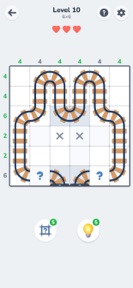
Targets the same casual puzzle audience by integrating logic-based path puzzles into a phone utility tool.


A new entrant attempting to blend coloring with character customization, though it currently struggles with low user ratings.


This app competes for the same casual puzzle audience as Colorever, using a conveyor-loop mechanic to add a fresh twist to color sorting.


While categorized under Games, this app represents a high-risk competitor for user attention by offering real-money gambling mechanics.
The Analyst's Read
The bottom line on Oakever Games
Bottom line
Oakever Games is a disciplined studio that has successfully optimized classic puzzle mechanics for high-retention niches. Their ability to scale faith-based and senior-focused content provides a stable revenue moat that distinguishes them from typical hyper-casual publishers.
Frequently asked questions
How many apps does Oakever Games publish?
Where is Oakever Games based?
What kind of apps does Oakever Games make?
What is Oakever Games's top app?
In how many countries are Oakever Games's apps available?
What fed this analysis
- Apps analyzed:
- 26
- With full intel:
- 7
- With overview:
- 26
- Website scraped:
- yes
- Social presence:
- yes
