


Lessmore
For casual mobile gamers seeking low-friction, satisfying progression or 'Zen' logic challenges that can be played in short bursts.
 Arrows – Puzzle Escape






Snapshot
Who is Lessmore?
Delivering minimalist logic puzzles and idle simulations that prioritize player-friendly, opt-in monetization models.
Target audience


Portfolio
Free 7Last updated

Arrows – Puzzle Escape
v0.21.4
3mo ago
Publisher DNA
What defines Lessmore?
Publisher DNA
Primary focus
Mobile games · idle simulation and minimalist puzzles
Scale
indie
Target audience
Casual mobile gamers seeking low-friction, satisfying progression or 'Zen' logic challenges that can be played in short bursts.
Signature Patterns
- •Consistent use of 'voluntary' rewarded ad models to drive monetization without forced interruptions.
- •Minimalist 2D visual aesthetic applied across diverse genres from board games to strategy.
- •Deep meta-progression systems involving gear collection, resource management, or era-based upgrades.
- •High-frequency update cadence across the entire active portfolio to maintain user retention.
Portfolio momentum
The publisher is in a high-activity phase, having released 33 updates across its 6 active apps in the last 6 months, with the most recent major release occurring only 11 days ago.
Portfolio
What does Lessmore ship?
Apps
7 apps analysed
Clear all the arrows! Solve logic puzzles and test your brain in this fun game!


Handcrafted level progression maximizes lifetime ad-impression potential
- The core puzzle mechanics provide a relaxing and intellectually stimulating experience that keeps players engaged for long sessions
- Excessive and intrusive advertisements disrupt the flow of gameplay and frustrate users who want a distraction-free experience

Clear all the arrows! Solve logic puzzles and test your brain in this fun game!


Minimalist design enables immediate, intuitive user onboarding
- The core puzzle mechanics provide a relaxing and mentally engaging experience for casual players
- Frequent and repetitive advertisements disrupt the flow of gameplay for players after the initial levels

Time-cheat mitigation protects the integrity of the in-game economy
- Optional ad-based monetization allows players to progress without being forced into intrusive ad experiences
- Lack of reliable cloud save functionality causes players to lose significant progress when switching devices

Forge and equip weapons from different civilizations in this blacksmith game.


Vibrant art style lowers the barrier to entry for casual players
- Simple and addictive core gameplay loop provides an engaging experience for short play sessions
- Aggressive monetization changes post-update significantly increase costs and reduce progression speed for free players


Simple and chill game design makes it an ideal choice for quick sessions during short breaks
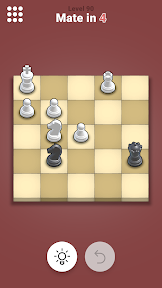
- Chess puzzle mechanics provide a satisfying and effective way for beginners to practice pattern recognition
- Aggressive ad frequency after every few moves disrupts the flow and discourages long-term engagement
Distributed across 12 markets, strongest in Europe.
Based on 7 of 7 apps with localized market data · last scanned .
Americas (3)
- United States7 / 7
- Brazil5 / 7
- Mexico4 / 7
Europe (7)
- France5 / 7
- Germany5 / 7
- Portugal5 / 7
- Spain5 / 7
- Italy4 / 7
›+2 more europe markets
- Netherlands2 / 7
- Sweden2 / 7
Asia-Pacific (2)
- Japan4 / 7
- South Korea4 / 7
Core markets (7/7 apps)
User Sentiment
How do users feel about their apps?
3
Positive apps
2
Neutral / mixed
2
Negative apps
57/100
Avg sentiment score
Unlock the app dragging this portfolio down.
Access the full report for freeRivals
Who does Lessmore compete with?
The rivals identified
Nemeses(5)


It serves the same casual strategy demographic but uses a grid-based inventory puzzle to automate squad combat.


Both apps target casual gamers seeking low-pressure logic puzzles, competing directly for the same daily mental-reset session time.


Both apps target casual chess players seeking pattern recognition, but Chess Tactics Pro captures users through offline-first puzzle sets and adaptive difficulty that Pocket Chess lacks.


Both apps compete for the same casual idle simulation audience by offering low-intensity restaurant management loops and ad-supported progression models.


Both apps compete for the same casual idle RPG player base by utilizing incremental progression loops to drive daily engagement.
Contenders(49)


Both apps compete for the same casual idle-tycoon audience by offering restaurant management loops that prioritize short, satisfying session times.


Both apps target the same casual puzzle demographic with minimalist, grid-based logic mechanics, creating direct competition for daily active time.


Both apps compete for the same casual idle simulation audience by offering restaurant management mechanics and progression-based growth. They overlap directly in the restaurant management sub-genre, forcing users to choose between different monetization and idle pacing models.


Shared focus on bite-sized pattern recognition practice pits these freemium chess puzzle apps directly against each other for casual player attention.


Both apps target the chess puzzle training segment, competing for the same casual user base looking for pattern recognition practice.


Both apps target casual chess players seeking tactical improvement through puzzle sets, creating direct competition for users prioritizing quick, skill-based practice.


Both apps compete for the same incremental crafting simulation audience, with Forge Master focusing on historical progression and Crafting Idle Clicker on workshop management.


This app serves the same curriculum-based learning audience but differentiates through a smart assistant that explains the logic behind tactical decisions.


Both apps target the strategy genre with military themes, but the rival directly addresses the primary user complaint of We Are Warriors! by offering an ad-free, one-time purchase model.


Both apps compete for the same casual idle RPG audience by offering automated progression loops and guild-based social features. They directly vie for daily active time within the Strategy and Role Playing categories.


Both apps target the casual restaurant simulation audience, competing for player session time through management loops and incremental progression.


Both apps target casual gamers seeking logic-based puzzle sessions, creating direct competition for the same user time within the puzzle category.


Both titles target casual strategy players through base-building and army management mechanics, competing for the same time-budget in the mobile strategy category.


Both apps target casual chess players through free, ad-supported puzzle practice. They compete directly for users seeking short, bite-sized tactical challenges.


Both apps target casual chess players seeking minimalist tactical training, creating direct competition for users prioritizing quick, bite-sized puzzle sessions.


Both apps target casual gamers seeking idle RPG mechanics and character progression, competing for the same time-budget within the idle gaming category.


Both apps target casual players with short-form chess puzzles, creating direct competition for the same time-constrained user segment.


Both apps target chess puzzle solvers, but Helpmate Puzzles focuses on a specific cooperative variant rather than standard tactical pattern recognition.


Both apps target the casual logic puzzle segment with grid-based mechanics, competing for the same short-session brain-training audience.


Both apps target the casual logic-puzzle audience with spatial-grid mechanics, creating direct competition for daily active users seeking short-session mental engagement.


Both apps target the casual idle-tycoon audience with restaurant management mechanics, competing for short-session engagement within the simulation category.


Both apps target the casual idle restaurant management segment, competing for the same user base through shared core mechanics like idle profit generation and restaurant simulation.


Both apps target the idle RPG audience with progression-focused gameplay loops, competing for the same time-constrained casual player base.


Both apps compete for the same idle RPG player base, utilizing automated progression loops and team-building mechanics to capture time-sensitive casual gamers.


Both apps compete for the same casual and mid-core idle RPG audience by utilizing progression mechanics to drive long-term player retention.


Both apps compete for the same casual logic-puzzle audience, targeting users who seek short-session brain training through grid-based deduction mechanics.


Both apps target casual players through spatial logic grids and handcrafted level progression, creating direct competition for the same user base.


Both apps target casual puzzle gamers with grid-based logic mechanics, creating direct competition for short-session play time.


Both apps target casual mobile gamers through idle RPG mechanics and competitive leaderboard progression, creating direct competition for the same player base.


Both titles compete for the same casual idle RPG audience by utilizing persistent progression systems to maintain daily engagement.


Both apps target chess beginners seeking pattern recognition through puzzle practice, competing directly for casual players looking to improve checkmate skills.


Both titles target casual strategy players through historical era-based progression loops and freemium monetization models.


Both apps target the casual puzzle segment with logic-based mechanics, competing for the same short-session, low-pressure gameplay time.


Both apps target casual puzzle players with grid-based logic loops, competing directly for attention during short, intermittent play sessions.


Both apps target casual players through a shared age-based progression loop that spans from ancient units to futuristic warfare.


Both apps target casual gamers seeking low-pressure, grid-based logic puzzles, creating direct competition for the same time-constrained user segment.


Both titles target strategy players through historical era-based progression loops, creating direct competition for the same casual mobile gaming demographic.


Both apps target casual gamers seeking meditative, minimalist logic puzzles for short, low-friction mental exercises. They compete directly for the same audience segment that values immediate, intuitive gameplay without external guidance.


Both apps target users seeking to improve pattern recognition through chess puzzles, though the rival emphasizes an adaptive, engine-supported training system over a minimalist approach.


Both apps target casual chess players by isolating the puzzle-solving mechanic from full matches, focusing specifically on bite-sized tactical practice.


Both apps target casual chess players seeking tactical improvement through focused puzzle sets, creating direct competition for users prioritizing quick, bite-sized training sessions.


Both apps target casual chess players seeking pattern recognition training through puzzle-based practice. They compete directly for users prioritizing quick, bite-sized training sessions.


Both apps compete for the same casual mobile gaming audience within the restaurant management simulation category, focusing on different loops of idle progression and creative design.


Both apps target the casual idle restaurant management audience, competing for the same time-share within the simulation category.


Both apps target the casual restaurant management simulation audience, competing for time spent within the same sub-genre.


Both apps target casual puzzle enthusiasts with minimalist, grid-based logic mechanics, creating direct competition for the same short-session brain-training user base.


Both apps target strategy gamers through progression-based loops, competing for time in the casual and mid-core strategy segments.


Both apps target the casual idle management simulation audience, competing for time share within the restaurant-themed tycoon sub-genre.


Both apps target casual gamers within the restaurant management simulation category, competing for time-share in the idle and time-management sub-genres.
Same space(46)


It competes for the same tower defense audience by using a fast-paced battle simulator with merging mechanics.


This app competes for the same spatial reasoning audience but uses a neon-themed aesthetic to distinguish its visual identity.


This app targets advanced visualization skills, offering specialized modes that go beyond the standard board-based puzzles of Pocket Chess.


This app provides a similar business management simulation experience to Eatventure but with added risk of bankruptcy mechanics.


It targets the same strategy audience with a focus on survivor role allocation and kingdom management.


This app serves as a high-volume, feature-rich alternative for users seeking a comprehensive chess platform beyond the minimalist puzzle focus of Pocket Chess.


This app provides a mobile interface for a large-scale tactical database, serving users who require deep, professional-grade analysis.


This app directly addresses the primary user complaint of Pocket Chess by offering a distraction-free, ad-free learning environment.


It targets the same casual strategy audience using incremental idle mechanics and minimalist geometric aesthetics.


This app targets the same logic-puzzle demographic but removes the ad-load friction that causes churn in the source app.


This app differentiates itself through cross-platform utility, targeting users who want to play on both phones and smartwatches.


It occupies the same idle military strategy space with a focus on unit variety and tournament-based progression.


It dominates the zombie-strategy category by using a lane-based combat loop instead of traditional static progression.


This app competes for the same casual, offline-seeking audience but relies on an ad-heavy monetization strategy that mirrors the friction points found in Pocket Chess.


This app competes for the same casual idle-tycoon audience as Eatventure but suffers from high ad-frequency friction.


It targets the same tower defense audience by integrating roguelike dice mechanics into the core combat loop.


It shares the tower defense and military conquest theme but emphasizes a patriotic campaign structure.


It shares the strategy category but targets a more hardcore audience through 4X city-building and 3D topographical tactical maps.


It appeals to the same strategy player base by focusing on AI-driven simulation rather than direct combat control.


It shares the military simulation theme but uses physics-based vehicle combat to differentiate its strategy.


It occupies the same military-themed casual strategy space but focuses on arcade-style idle resource collection.


Clue Master targets the same casual logic-puzzle audience as Arrows but uses a narrative-driven mystery framework to differentiate its core loop.


This app focuses on the same tactical training niche as Pocket Chess but offers a larger, more curated library of exercises.


This app provides a more advanced training loop by integrating with external platforms to build personalized opening courses.


It shares the idle RPG genre with Forge Master but emphasizes character build optimization over the historical progression theme.


It targets the same idle RPG demographic as Forge Master but adds an online multiplayer layer to the core incremental loop.


It serves the same strategy audience but shifts the focus to turn-based grand strategy and historical diplomacy.


This app provides a more realistic practice environment by simulating human-like AI mistakes rather than perfect engine play.


It shares the zombie-themed base-building space but focuses on survivor job assignment and shelter fortification.

known for Draw Army: 3D Battle Simulator
It targets the same tactical strategy audience by allowing players to draw their own armies for combat.


It competes for the same tactical strategy audience by blending shooter mechanics with real-time army command.


This app provides a structured, AI-guided curriculum that serves as a more intensive alternative to the casual puzzles in Pocket Chess.


This app acts as a specialized tactical training tool for users looking to systematically address weaknesses through customizable drills.

known for Police Station IDLE
It targets the same time-management simulation segment as Eatventure by focusing on facility and personnel scaling.


This app focuses on evidence-based training routines, providing a structured alternative to the unstructured puzzle sets of Pocket Chess.


It occupies the same idle-tycoon space as Eatventure but lacks the live-ops cadence required for modern retention.


It targets the same strategy category but requires higher commitment through long-form, large-scale multiplayer scenarios.


It captures the same casual idle audience as Forge Master but shifts the thematic focus from blacksmithing to space-based resource management.


This app provides a similar offline-first training experience but adds adaptive AI to differentiate its puzzle-solving loop.


This app functions as a foundational educational guide, offering a text-based learning experience for absolute beginners.


This app provides a similar suite of learning tools but differentiates through visual presentation and multi-perspective board options.


This app provides a standard, utility-focused chess simulation that serves as a direct, ad-supported alternative for casual play.


It occupies the same idle RTS space but differentiates through unit-swarming mechanics and army-building.


This app occupies the same minimalist logic-puzzle niche but suffers from similar technical instability and ad-heavy monetization.


This app provides a similar range of chess tools and AI-driven gameplay, targeting the same broad audience of beginners and advanced players.


It serves the same tactical war simulation audience by focusing on grid-based counter-force planning.
New entrants(2)


This app serves the same casual puzzle audience but uses a mystery-themed deduction mechanic instead of grid-based arrow movement.


This app offers a more advanced competitive layer than the source app by enabling real-time multiplayer duels.
The Analyst's Read
The bottom line on Lessmore
Bottom line
Lessmore GmbH is a highly disciplined studio that has successfully scaled niche mechanics into mass-market hits by prioritizing player sentiment. Their ability to maintain a 4.64★ weighted rating across a million reviews suggests a robust internal framework for product-market fit and sustainable monetization.
Frequently asked questions
How many apps does Lessmore publish?
What kind of apps does Lessmore make?
What is Lessmore's top app?
In how many countries are Lessmore's apps available?
What fed this analysis
- Apps analyzed:
- 6
- With full intel:
- 6
- With overview:
- 6
- Website scraped:
- yes
- Social presence:
- no
