


bumblebee
For individuals seeking low-friction, manual tools for personal budgeting and habit formation who prefer intentional data entry over automated syncing.
 Weple Money: Expense Tracker



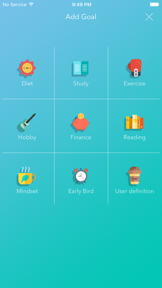
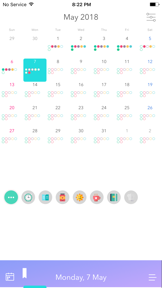






Snapshot
Who is bumblebee?
Providing minimalist personal finance and productivity tools designed to build consistent habits through low-friction manual tracking.
Target audience


Portfolio
Free 2Last updated

Weple Money: Expense Tracker
v5.1.5
10mo ago
Publisher DNA
What defines bumblebee?
Publisher DNA
Primary focus
Minimalist finance and productivity tools
Scale
indie
Target audience
Individuals seeking low-friction, manual tools for personal budgeting and habit formation who prefer intentional data entry over automated syncing.
Signature Patterns
- •Emphasis on manual data entry to encourage user mindfulness and financial habit formation.
- •Minimalist, aesthetic-driven user interfaces consistent across both finance and productivity categories.
- •Monetization strategy utilizing a mix of freemium, free, and high-tier one-time purchases.
- •Long-term maintenance of legacy titles, with several apps remaining active since 2010-2013.
Portfolio momentum
The publisher is actively developing, having released 9 updates across its 5-app portfolio in the last 6 months, with the most recent major update occurring 10 days ago.
Portfolio
What does bumblebee ship?
Apps
5 apps analysed


Simplified UI design lowers barrier to entry for non-experts
- Manual expense tracking provides a reliable habit-forming routine for long-term financial accountability and awareness
- Recurring expense entries fail to populate in subsequent months, forcing users to manually re-enter data

- Minimalist interface reduces user fatigue compared to gamified rivals
Distributed across 9 markets, strongest in Europe.
Based on 1 of 5 apps with localized market data, more coverage rolling in as scans complete · last scanned .
Americas (3)
- Brazil1 / 1
- Mexico1 / 1
- United States1 / 1
Europe (4)
- France1 / 1
- Germany1 / 1
- Portugal1 / 1
- Spain1 / 1
Asia-Pacific (2)
- Japan1 / 1
- South Korea1 / 1
Core markets (1/1 apps)
User Sentiment
How do users feel about their apps?
1
Positive apps
0
Neutral / mixed
0
Negative apps
75/100
Avg sentiment score
Rivals
Who does bumblebee compete with?
The rivals identified
Nemeses(4)

Both apps target the same personal finance segment by offering free expense tracking and budget planning tools to individual users.


Both apps target personal finance management, but Monarch captures the household segment through collaborative features while Weple Money Pro targets individuals via manual habit-building.


Both apps target individuals seeking daily habit management, but Productive captures users via a freemium model and structured behavioral programs.


This app is the primary nemesis because it dominates the personal finance category with a massive user base and gamified tracking features that directly compete with WeSave's manual ledger approach.
Contenders(26)


It competes for the same privacy-conscious, manual-entry user base by emphasizing offline functionality.


Buddy competes for the same manual-entry user base as Weple Money Pro but captures the household-management segment through shared budgeting features that Weple Money Pro lacks.


Both apps target individuals managing personal expenses, but Budget Bestie captures users seeking structured envelope-based budgeting while Weple Money Pro targets users preferring manual, habit-forming tracking.


Both apps target personal budget management and expense tracking, competing for users seeking low-friction financial monitoring.


Both apps target users seeking simplified, visually-focused habit tracking, creating direct competition for the same user base.


Both applications target users seeking simplified habit tracking, with Everyday competing directly through a free, cross-platform model that challenges the paid, single-platform focus of Weple Habit.


Both apps target users seeking manual, habit-forming expense tracking without bank integration, creating direct competition for the privacy-conscious demographic.


Both apps target users seeking habit management, but they diverge on complexity: Weple Habit prioritizes aesthetic simplicity, while Strides offers data-driven tracking with 150+ templates.


Grit competes for the same habit-tracking audience by offering a free alternative that includes Apple Health integration and cross-device iCloud syncing.


This app targets the business-side of finance, overlapping with users who use WeSave to track small business or side-hustle income.


Both apps target users who prefer manual expense tracking over automated bank-linked tools, creating a direct overlap in the manual-entry finance category.


Both apps target individuals building daily habits, but Habit Rabbit uses a free, gamified pet-interaction model while Weple Habit charges 2.99 dollars for a design-focused, simplified experience.


Both apps target individuals seeking habit tracking, with Done competing for users who prioritize granular data and health integration over Weple Habit - Daily Routine's paid, aesthetic-focused simplicity.


Both apps target users seeking manual, low-friction expense tracking without bank integration, competing directly for the same minimalist finance management audience.


Onrise competes by offering a free, multi-functional habit tracking suite that includes a Pomodoro timer and journal, directly challenging the paid, single-purpose habit tracking model of Weple Habit.


Both apps target users seeking manual-entry financial tracking to build mindful habits, creating direct competition for the same user segment.


Both apps target the habit-tracking market, competing for users seeking daily routine management through simplified interfaces.


Both applications target the same manual-entry demographic by prioritizing granular control over automated bank synchronization. This shared focus on habit-based tracking creates direct competition for users seeking a spreadsheet-like financial ledger.


Both apps target individuals managing personal finances, but PocketGuard competes by offering automated bank synchronization and bill monitoring, which directly contrasts with the manual entry model of Weple Money Pro.


Both apps target users who prefer manual expense tracking over automated bank-linked tools, creating a direct conflict for the same high-intent, habit-focused demographic.


Both apps target individuals and couples seeking low-friction expense tracking, but Monefy captures the household segment through multi-device synchronization that Weple Money Pro lacks.


Both apps target users seeking simplified habit tracking, with Weple Habit focusing on aesthetic design and HabitKit on visual grid-based feedback.


It is a direct contender in the personal finance space, focusing on simplified recording and reporting.


Both applications target users seeking daily routine and habit management, competing for the same productivity-focused audience.


Both apps target individuals seeking financial discipline, but they diverge on the mechanism of tracking: manual habit-building versus automated bank integration.


This app competes by targeting users who need simple, business-oriented digital accounting and interest tracking.
Same space(48)


Patterner focuses on spending pattern analysis, helping users identify high-cost categories through a simplified manual entry system.


Habit Tracker - Better Habits targets the same privacy-conscious user as Weple, relying on local storage to avoid cloud-based data tracking.


Habit Builder provides a privacy-first, minimalist alternative to Weple, utilizing CloudKit for persistence without requiring user accounts.


Daily Tasks serves as a distraction-free alternative to Weple, using a task-limit gate to encourage focus for privacy-conscious users.


Patterns offers a similar habit-tracking experience to Weple but emphasizes a simplified, satisfying logging interface for daily consistency.


This app offers a similar routine management experience to Weple but includes streak scoring to gamify daily habit completion.


This app shares the goal of quick, efficient financial tracking but utilizes a more modern, subscription-based model.


Bankin' provides a broader, automated financial management experience that appeals to users seeking bank-synced insights rather than manual habit building.


Milo targets the Gen Z demographic with automated, payday-specific budgeting, serving as a low-friction alternative to manual ledger apps.


This app targets the same productivity-focused user base as Weple but integrates emotional tracking to provide broader well-being context.


Routine5 focuses on the iterative improvement of habits, serving as a more experimental tool compared to Weple's streamlined approach.


CashCounter focuses on physical cash counting for registers or piggy banks, serving as a specialized tool for tangible money management rather than digital expense tracking.

known for
Functions as a dedicated task manager for users needing reminders and scheduling, contrasting with the goal-oriented tracking focus of Weple Diary.


Discipline AI introduces an automated coaching layer to habit planning, offering a more active, AI-driven alternative to Weple's manual tracking.


This app targets the debt-reduction segment of personal finance, offering automated tools that WeSave lacks.


Dollarbird shares the manual-entry philosophy but uses a calendar-first interface to differentiate its cash-flow forecasting from ledger-based tools.


Finanzguru targets the same personal finance space by using AI-driven contract detection to identify recurring expenses, which complements the manual tracking approach of Weple Money.


Emma provides an automated alternative to Weple Money by using Open Banking APIs to aggregate accounts and track subscriptions.


Money Counter provides a specialized tool for counting physical Euro currency, acting as a niche utility for users who need to track physical cash totals.


GoalMap targets the same productivity-conscious user as Weple but uses an OKR-based framework to provide more rigorous goal-setting structure.


Moodie Money provides a stylistic, manual-entry alternative with added security features like screen locks for privacy-conscious users.


Pennyworth provides a multi-book architecture that allows users to separate personal and business finances, expanding on the manual tracking utility.


DayMap targets the same habit-tracking demographic but adds a sleep-cycle ritual to differentiate its routine management capabilities.


Atomic serves as a privacy-focused alternative to Weple, removing cloud dependencies to appeal to users who prioritize local data control.


Wisey serves as a habit-building companion to Weple, offering preset templates for users who need guidance on where to start.


Money Keeper serves users who prioritize extreme simplicity and privacy, stripping away advanced features found in Weple Money Pro.


Timelines offers a time-tracking layer that allows users to analyze how they spend their day, providing deeper data than Weple's simple habit logging.


Income OK competes as a paid, privacy-focused utility that emphasizes secure, manual transaction logging for users wary of bank-linked automation.


Monbark offers a simplified, automated alternative for users who prefer a single-number runway metric over detailed manual expense categorization.


Floney focuses on the collaborative aspect of expense tracking, specifically targeting roommates and shared household budgets.


Green Ledger provides a shared household budget solution with a focus on ad-free, multi-device synchronization for families.


While category-adjacent, it competes for the same 'expense tracking' use case, specifically for dining and travel.


Quicken serves the power-user segment that requires advanced business and personal finance integration, contrasting with the casual focus of Weple Money Pro.


Rocket Money targets the same finance-conscious audience but shifts the value proposition from manual tracking to automated subscription management and bill negotiation.


Rocket Money functions as a high-touch financial concierge that automates bill negotiation and subscription cancellation, contrasting with the manual entry focus of Weple Money.


Routinery serves the same habit-tracking audience but shifts the user experience from Weple's passive logging to active, voice-guided routine execution.


Progress acts as a quantitative alternative to Weple, focusing on tracking specific metrics like distance or money rather than just habit completion.


Daily Routine Planner provides a more granular scheduling experience than Weple, specifically targeting students and adults who require time blocking.


PlanWiz serves as a broader task management tool for users who need to organize family and work responsibilities alongside daily habits.


SimplyWise complements manual trackers by automating the digitizing of physical receipts, addressing the manual entry fatigue common in Weple Money Pro users.


Snoop Finance offers a dashboard for account aggregation and budgeting that serves as a broader financial management tool compared to the focused expense tracking of Weple Money.


Provides a free-form alternative for users who prioritize unstructured reflection over the rigid goal-scoring system found in Weple Diary.


Productivity Wizard provides a more comprehensive GTD-style framework for users who find Weple's aesthetic-focused approach too limited for complex task management.


Yurit Budget mimics the traditional paper ledger experience, appealing to users who prefer a highly customizable, non-automated manual entry process.


Planwoo expands on Weple's habit tracking by including note-taking and gratitude journaling for a more holistic daily organizer experience.


Flow Budget targets users who want a mix of manual entry and automated recurring transactions for fixed expenses.


DAILY POCKET offers a similar manual-entry focus but includes receipt photo attachments to enhance the record-keeping experience.


A long-standing peer that offers more advanced power-user features like budget rollover and cross-platform sync.
New entrants(4)


A new entrant focusing on local data privacy and upcoming charge tracking, directly challenging WeSave's manual ledger utility.


Sunlist offers a unique time-windowed approach to habit tracking, preventing the daily pressure often associated with Weple's all-day task lists.


Though a game, it competes for the same 'minimalist interface' aesthetic and daily-habit user attention as WeSave.


Daily Schedule Planner provides a more comprehensive calendar-based approach to routine management than Weple's minimalist habit-tracking focus.
The Analyst's Read
The bottom line on bumblebee
Bottom line
Bumblebee is a disciplined indie studio that has successfully defended a niche in the crowded finance category by prioritizing user-driven manual tracking over automation. Their high weighted rating signals strong product-market fit among users who value privacy and simplicity over feature-heavy competitors.
Frequently asked questions
How many apps does bumblebee publish?
What kind of apps does bumblebee make?
What is bumblebee's top app?
In how many countries are bumblebee's apps available?
What fed this analysis
- Apps analyzed:
- 5
- With full intel:
- 1
- With overview:
- 5
- Website scraped:
- yes
- Social presence:
- no
