
Cantcha
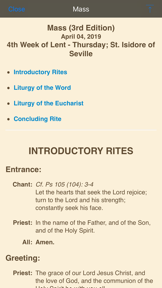
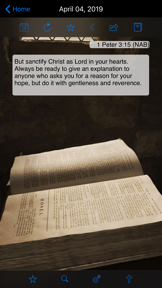
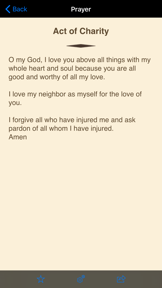
For practicing Catholics requiring portable, church-approved versions of the Roman Missal and Bible for study and Mass preparation.
 iMissal Catholic






Snapshot
Who is Cantcha?
Providing practicing Catholics with digitally portable, church-approved liturgical resources and scripture for offline use.
Target audience


Portfolio
Last updated

iMissal Catholic
v5.01
8mo ago
Publisher DNA
What defines Cantcha?
Publisher DNA
Primary focus
Catholic liturgical and scripture reference tools
Scale
indie
Target audience
Practicing Catholics requiring portable, church-approved versions of the Roman Missal and Bible for study and Mass preparation.
Portfolio momentum
Released 2 updates across 2 apps in the last 6 months, with the flagship title receiving recent maintenance.
Portfolio
What does Cantcha ship?
Apps
2 apps analysed

Direct integration with the iMissal app ecosystem
- Integration with iMissal
- UI/UX and Navigation Bugs
Single-market publisher, every app ships only to United States.
Based on 2 of 2 apps with localized market data · last scanned .
Americas (1)
- United States2 / 2
Core markets (2/2 apps)
User Sentiment
How do users feel about their apps?
1
Positive apps
0
Neutral / mixed
0
Negative apps
65/100
Avg sentiment score
Rivals
Who does Cantcha compete with?
The rivals identified
Nemeses(2)

Ascension provides structured Bible study and learning systems, while iMissal remains a portable reference for liturgical texts.


Both applications target practicing Catholics with daily devotional content, creating direct competition for the user's daily prayer habit.
Contenders(11)


Both applications target the Catholic liturgical market by providing daily Mass readings, creating direct competition for users seeking digital missal tools.


Offers a unique competitive angle by providing verse-by-verse commentaries from the Early Church Fathers.


Both applications target practicing Catholics by providing daily liturgical readings for spiritual reflection and Eucharist preparation.


Both applications provide daily Mass readings for Catholic parishioners, creating direct competition for users seeking digital liturgical tools for worship.


Both applications target practicing Catholics seeking daily liturgical content, creating direct competition for daily usage time and spiritual reference utility.


Both applications target practicing Catholics by providing daily Mass readings, creating direct competition for daily liturgical engagement.


Both applications target practicing Catholics seeking digital liturgical and devotional resources, creating direct competition for daily usage time.


Both applications target practicing Catholics with daily Mass readings and liturgical calendars, creating direct competition for daily devotional usage.


Both applications target practicing Catholics seeking daily Mass readings, creating direct competition for users prioritizing liturgical reference tools.


Both applications target practicing Catholics by providing daily Mass readings and liturgical calendar access, creating direct competition for users seeking digital worship tools.


Both applications target practicing Catholics seeking daily spiritual content and liturgical readings, creating direct competition for daily user attention.
Same space(19)


Amen focuses on daily habit formation through a personalized carousel, whereas iMissal serves as a static reference tool.


Sanctifica emphasizes habit tracking and custom routines, whereas iMissal focuses on providing static liturgical content.


Laudate acts as a broad repository for Catholic prayer, providing a free alternative to the paid iMissal.


Catholic Answers provides an intellectual apologetics database, serving users who seek theological inquiry rather than just liturgical text.


Intercede specializes in multi-day novenas, offering a niche devotional experience compared to the broad missal content of iMissal.


Catholic Daily Mass Reading provides liturgical texts, but its ad-supported model creates a different user experience than the paid iMissal.


Verbum provides deep theological study and commentary tools, serving users who require more than the basic missal text.


Abide targets the broader Christian meditation market, contrasting with the specific Roman Catholic liturgical focus of iMissal.


Hallow competes for the same Catholic user base by prioritizing high-production audio prayer over the static reference utility of iMissal.


My Catholic Life! offers a wide range of daily reflections and news, serving as a broader faith resource than iMissal.


iRosary focuses on procedural audio for prayer, offering a dynamic experience compared to the text-heavy iMissal.


Holy Bible Widget uses home screen integration to capture attention, differing from the active search-based usage of iMissal.


Oremus uses a daily-devotion loop to retain users, which contrasts with the offline reference utility of iMissal.


Athan Pro serves an adjacent religious market by providing prayer tools for the Muslim community.


Divine Office automates the Liturgy of the Hours, offering a specific liturgical utility that complements iMissal.


Credo teaches Latin through prayer, providing a specialized educational tool that complements the liturgical focus of iMissal.


Truthly uses AI to answer questions about doctrine, providing a conversational interface that iMissal lacks.


Catholic Calendar focuses on the liturgical year, serving as a specific reference tool for feast days and saint information.


Mass Time provides church location services and AI-driven confession guides, extending beyond the scope of a standard missal app.
Frequently asked questions
How many apps does Cantcha publish?
What kind of apps does Cantcha make?
What is Cantcha's top app?
In how many countries are Cantcha's apps available?
What fed this analysis
- Apps analyzed:
- 2
- With full intel:
- 1
- With overview:
- 2
- Website scraped:
- no
- Social presence:
- no