


Reeba Sebastian
 Catholic Prayers : Official


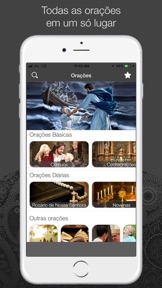
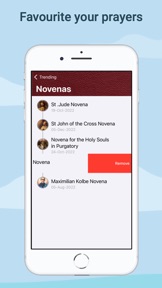


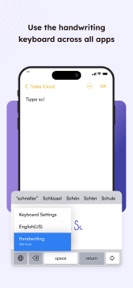


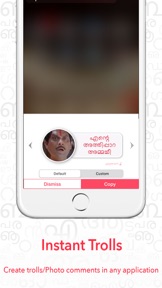






Snapshot


Publisher DNA
What defines Reeba Sebastian?
AI intelligence is not yet available for Reeba Sebastian. The portfolio data below is up to date.
Portfolio
What does Reeba Sebastian ship?
Apps
12 apps analysed

Accessibility features for blind users allow for effective navigation using standard screen reader software
- Voice-based time announcements provide a helpful way for users to track hours without checking screens
- Setup process loops indefinitely on notification configuration screens, preventing users from accessing core app functionality

Manglish transliteration enables phonetic typing without internet dependency
- The keyboard layout provides a highly efficient and satisfying experience for typing in the Malayalam language
- The application requires a constant internet connection to function, which prevents offline usage for writing messages

- Multi-language library functions as a B2B-style distribution barrier into international markets

Analysis in progress
Single-market publisher, every app ships only to United States.
Based on 6 of 12 apps with localized market data, more coverage rolling in as scans complete · last scanned .
Americas (1)
- United States6 / 6
Core markets (6/6 apps)
User Sentiment
How do users feel about their apps?
0
Positive apps
1
Neutral / mixed
1
Negative apps
40/100
Avg sentiment score
Unlock the app dragging this portfolio down.
Access the full report for freeRivals
Who does Reeba Sebastian compete with?
The rivals identified
Nemeses(1)

Both apps compete for the same mobile input utility market, targeting users who prioritize personalized typing experiences over default system keyboards.
Contenders(10)


Both apps compete for the same iOS keyboard utility space, targeting users seeking to improve messaging efficiency through alternative input methods.


Both apps target the handwriting-to-text utility on iOS, competing for the same user base seeking alternatives to standard system keyboards.


Gboard competes for the same multilingual user base by offering a free, multi-language keyboard that captures search intent directly within the typing interface.


Both apps compete for the same mobile keyboard utility market, though they address distinct input paradigms: handwriting-to-text conversion versus gesture-based typing.


Both apps target the multilingual communication utility space on mobile devices, competing for the same user base seeking to remove friction from cross-language messaging.


Both apps compete for the same mobile keyboard utility market share, targeting users who seek alternatives to system-default input methods.


Both apps compete for the system-wide keyboard slot on iOS, targeting multilingual users who require alternative input methods beyond the default system keyboard.


Both apps target multilingual users requiring specialized keyboard input for messaging and social media, creating direct overlap in the utility keyboard category.


Both apps target multilingual users on iOS with free, utility-focused keyboard tools, creating direct competition for the same user base's default input method.


Both apps function as system-wide keyboard utilities targeting mobile users who require specialized input methods for messaging and productivity.
Same space(18)


Font Maker serves the same creative-keyboard audience by allowing users to digitize their handwriting for use in messaging.


iBuben serves the same multilingual keyboard niche by offering specialized Armenian layouts and regional dialect support.


Desh Bangla Keyboard serves the same multilingual utility space but focuses on phonetic transliteration for a specific regional language.


Kibik AI serves the same keyboard-utility space by offering aesthetic text decoration that functions across all social apps.


Kothai serves the same multilingual keyboard niche by providing a specialized layout for Tamil speakers.


This app provides a legacy handwriting input method for Korean characters, serving the same niche as Handwriting Keyboard.


This app provides a direct alternative to Handwriting Keyboard by offering dedicated handwriting recognition for Chinese scripts.


Handalyze serves the same handwriting-interest audience by analyzing penmanship to provide personality insights.


This app serves the same creative-input space by allowing users to annotate images with handwritten notes and drawings.


This app provides a similar handwriting-to-text utility but focuses on optical character recognition for static notes rather than real-time keyboard input.


Facemoji targets the same social-media demographic as Handwriting Keyboard but shifts the value from utility to aesthetic expression through generative AI tools.


This app provides a similar handwriting-to-text conversion utility for users needing to digitize messy or cursive notes.


Ridmik Keyboard serves the same multilingual keyboard niche by providing specialized layouts for Bangla speakers.


PenToPrint serves the same handwriting-to-text conversion need but focuses on scanning documents for archival rather than live keyboard entry.


Fontmaker competes for the same creative user base by digitizing handwriting into custom fonts rather than direct text input.


This app targets the same handwriting-interest group by offering tracing and practice guides for penmanship improvement.


Writey focuses on the educational aspect of handwriting, serving as a practice tool for the same user base that values penmanship.


Handwriting Multi-language serves the same multilingual input niche but focuses on offline recognition for East Asian scripts.
New entrants(2)


Motion Keyboard serves the same predictive-text utility space by focusing on pattern-based input correction.


VersaKey serves the same keyboard-utility space by offering advanced flick-typing and customization for power users.
