


Cross Link Services B.V.
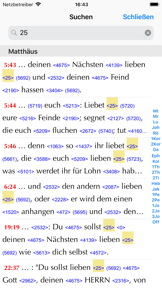
For serious students of theology, educators, and researchers seeking professional-grade linguistic analysis tools.
 Online Bible
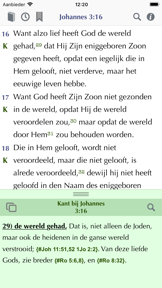

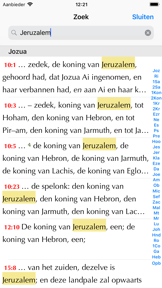
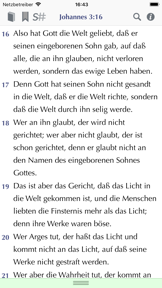
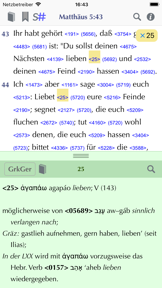
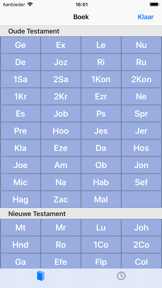


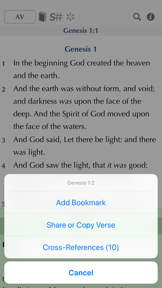


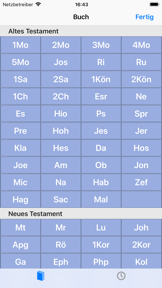
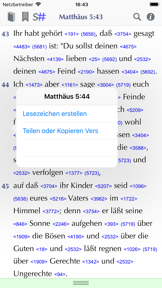


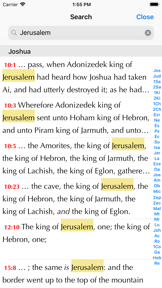
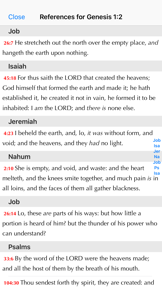
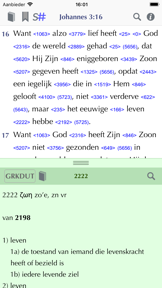
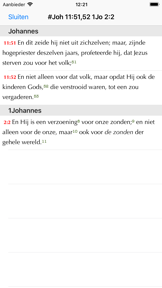



Snapshot
Who is Cross Link Services B.V.?
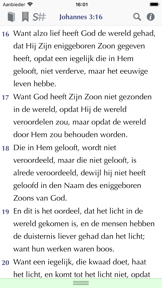
Providing digital tools for in-depth biblical study and linguistic research. Enabling users to access scholarly texts and original language lexicons.
Target audience


Portfolio
Free 1Last updated

Online Bible
v1.9.30
1.4y ago
Publisher DNA
What defines Cross Link Services B.V.?
Publisher DNA
Primary focus
Digital reference and study tools for biblical research
Scale
indie
Target audience
Serious students of theology, educators, and researchers seeking professional-grade linguistic analysis tools.
Signature Patterns
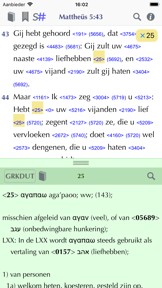
- •Integration of original language lexicons and Strong-number systems
- •Focus on scholarly, non-devotional study features like split-screen commentary
- •Monetization primarily through paid, one-time purchase models
- •Targeting of academic and research-oriented users
Portfolio momentum
With only one release in the last six months and four out of five apps categorized as abandoned, the publisher is currently in a maintenance phase.
Portfolio
What does Cross Link Services B.V. ship?
Apps
6 apps analysed


Single-market publisher, every app ships only to United States.
Based on 1 of 6 apps with localized market data, more coverage rolling in as scans complete · last scanned .
Americas (1)
- United States1 / 1
Core markets (1/1 apps)
Rivals
Who does Cross Link Services B.V. compete with?
The rivals identified
Nemeses(1)

Both apps target serious Bible students, but Blue Letter Bible provides free access to original language lexicons and concordances that compete directly with the paid commentary focus of Matthew Henry Study Bible.
Contenders(8)


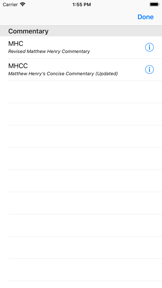
Both apps target the same theological study audience by offering Matthew Henry's commentary, creating direct competition for users seeking digital reference tools.


Both apps target serious Bible students by integrating scholarly commentary with scripture, creating direct competition for study time and digital shelf space.


Both apps target serious Bible students seeking integrated commentary, but the rival offers a free, multi-translation model that directly challenges the paid, single-commentary focus of the Matthew Henry Study Bible.


Both apps target serious Bible students, but Bible Hub provides a free, broad-spectrum research library while Matthew Henry Study Bible focuses on a paid, specialized commentary experience.


This app acts as a direct substitute by providing the same six-volume historical text, though it lacks the integrated split-screen reading experience of the source app.


Both apps target the Bible study market, but they diverge on depth versus engagement. The rival competes for the same user base by offering free, high-frequency engagement tools like audio and social study groups.


Both apps target serious Bible students, but the rival provides a free, multi-version, and multi-language study environment that competes with the focused commentary approach of the Matthew Henry Study Bible.


Both apps target users seeking Matthew Henry's commentary on the KJV Bible, creating direct competition for the same theological study audience.
Same space(14)


This app provides a general-purpose reading experience that lacks the specialized commentary depth of the source app.


This app provides a free alternative for the same historical text, though it suffers from UI stability issues that the source app avoids through its paid-model focus.


It targets the same serious study audience but expands the scope to include non-canonical texts, positioning itself as a comprehensive reference tool.


It competes for the same religious utility market but faces significant churn due to a transition toward subscription-gated content that conflicts with the source app's paid-reference model.


It serves the same study audience through a personalized, aesthetic-focused interface that prioritizes user-specific reading plans over the source app's scholarly commentary focus.


It targets a similar audience but emphasizes community and personal reflection through journals, whereas the source app focuses on academic commentary.


It expands the study scope beyond text to include podcasts and meditations, serving as a broader devotional companion to the source app's focused reference tool.


This app captures the daily-habit segment through a streamlined, mobile-first interface that lacks the deep theological commentary found in the source app.


This app serves the same academic demographic but utilizes AI-driven tools to bridge the gap between historical text and modern study habits.


This app targets the same daily study demographic but relies on an ad-supported model that contrasts with the paid, distraction-free focus of the source app.


It offers a concise version of the same content, serving as a lighter, more accessible alternative to the source app's full commentary.


This app serves as a devotional supplement, focusing on classic 1800s readings rather than the verse-by-verse commentary found in the source app.


It offers a similar portable study experience but focuses on multi-translation support rather than the specific commentary depth provided by the source app.


It targets a similar scholarly audience but relies on a niche theological library that creates a content-based barrier to entry for serious students.
The Analyst's Read
The bottom line on Cross Link Services B.V.
Bottom line
Cross Link Services B.V. occupies a stable, high-intent niche for theological researchers. Their long-term viability depends on maintaining these specialized tools against evolving mobile OS standards.
Frequently asked questions
How many apps does Cross Link Services B.V. publish?
What kind of apps does Cross Link Services B.V. make?
What is Cross Link Services B.V.'s top app?
In how many countries are Cross Link Services B.V.'s apps available?
What fed this analysis
- Apps analyzed:
- 5
- With full intel:
- 0
- With overview:
- 5
- Website scraped:
- yes
- Social presence:
- no
