


Haven Tran
For individuals seeking distraction-free, offline environments for scripture study, including Catholic and Protestant denominations.
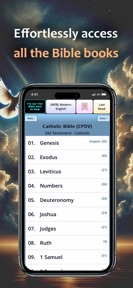
 Jubilees, Jasher, Enoch, Bible






Snapshot
Who is Haven Tran?
Providing ad-free, offline access to canonical and historical religious texts for focused study and daily devotion.
Target audience


Portfolio
Free 9Last updated

Jubilees, Jasher, Enoch, Bible
v5.1.8
5mo ago
Publisher DNA
What defines Haven Tran?
Publisher DNA
Primary focus
Religious reference and classic literature
Scale
indie
Target audience
Individuals seeking distraction-free, offline environments for scripture study, including Catholic and Protestant denominations.
Origin
Associated with the Acupuncture Care Alliance (ACA), a 501(c)(3) nonprofit focused on community-based research in Southern California.
Signature Patterns
- •Consistent 'PRO' branding across the portfolio to signal ad-free or premium status.
- •Heavy emphasis on offline functionality and Text-to-Speech (TTS) audio features.
- •Niche focus on aggregating non-canonical or specific historical versions of religious texts.
- •Monetization strategy centered on upfront paid models or ad-free utility versions.
- •High maintenance cadence with frequent updates across the entire active catalog.
Portfolio momentum
Maintaining an intense update cadence with 16 releases across 6 active apps in the last 6 months, ensuring the entire portfolio remains current.
Company profile
medium confidence- Headquarters
- Victorville, USA
- Founded
- 2018
Portfolio
What does Haven Tran ship?
Apps
15 apps analysed

Analysis in progress


Analysis in progress
Distributed across 12 markets, strongest in Europe.
Based on 3 of 15 apps with localized market data, more coverage rolling in as scans complete · last scanned .
Americas (3)
- United States3 / 3
- Brazil1 / 3
- Mexico1 / 3
Europe (7)
- France1 / 3
- Germany1 / 3
- Italy1 / 3
- Netherlands1 / 3
- Portugal1 / 3
›+2 more europe markets
- Spain1 / 3
- Sweden1 / 3
Asia-Pacific (2)
- Japan1 / 3
- South Korea1 / 3
Core markets (3/3 apps)
Rivals
Who does Haven Tran compete with?
The rivals identified
Nemeses(5)


Focuses on the same daily reading habit but emphasizes multi-language support and customizable reading plans.


It targets a more specialized audience interested in the original 1611 text rather than modern revisions.


Both applications target the daily scripture reading habit, competing for the same user base seeking offline-accessible, audio-enabled Bible study tools.


Both apps target the same audience for Quranic study, but they diverge on monetization and core utility: offline reading versus audio-focused engagement.


Both apps target readers seeking ad-free experiences, but ReadEra captures a broader audience by supporting multiple file formats while Gutenberg Reader PRO limits its scope to the Project Gutenberg library.
Contenders(31)


Targets a similar devotional audience but uses daily scripture quizzes to build habit retention.


Provides a similar Catholic-focused study tool but includes a Bible dictionary.


Both apps compete for the same Catholic scripture study audience by offering free digital access to the Bible.


Both applications target Spanish-speaking users requiring offline access to biblical texts, creating direct competition for the same audience.


Operates as a platform for building a digital library of Christian resources, targeting Spanish-speaking users with dedicated support.


Both apps compete for the same daily devotional habit by providing free, offline-capable scripture access to users seeking portable study tools.


Both apps provide access to the Project Gutenberg library, creating direct competition for readers seeking classic literature.


Both apps target readers seeking distraction-free environments, with Gutenberg Reader PRO focusing on public domain access and Reads. focusing on EPUB file management and typography.


Both applications target Spanish-speaking users requiring offline access to biblical texts, creating direct competition for users prioritizing accessibility and study utility.


Both apps target readers of public domain classic literature, creating a direct conflict between the massive library of Gutenberg Reader PRO and the free, offline-first utility of Best Classic Books.


Both apps target the same niche of users seeking non-canonical religious texts, creating direct competition for users evaluating paid versus free access to similar content.


Both apps target Catholics seeking scripture engagement, with Ascension competing for the same user base through structured learning programs and multimedia content.


Both apps target users interested in non-canonical religious texts, with the rival offering a free entry point while the target app provides a paid, consolidated library.


Both apps target readers of the Book of Enoch and ancient religious texts, competing for the same audience through scripture reading and audio features.


Both apps target users seeking daily scripture engagement, but they diverge on monetization and delivery: Catholic Bible PRO: No Ads provides a free, offline-first experience, while Dwell mandates a subscription for audio-first habit formation.


Both apps target Catholic users seeking digital scripture access, with Verbum offering an extensive theological library and study suite compared to the focused reading experience of Catholic Bible PRO.


Both applications target users seeking offline scripture study tools, creating direct competition for daily engagement time among individuals prioritizing biblical research.


Both apps compete for the same Project Gutenberg audience, but the rival undercuts the price by 50% while adding audio playback features.


Both apps target the same audience of Muslims seeking digital Quranic study tools, creating direct competition for users prioritizing focused, ad-free reading environments.


Both applications target users requiring offline access to the Holy Quran, creating direct competition for portable study and recitation tools.


Both applications target Spanish-speaking users seeking digital scripture access, creating direct competition for daily devotional time and study habits.


Both apps target users seeking offline access to the Book of Enoch and biblical texts, creating direct competition for the same niche scripture-study audience.


Both apps target users seeking classic literature and document management, creating direct competition for the same reader base.


Both applications target Spanish-speaking users seeking digital Bible study tools, creating direct competition for the same audience despite the difference in translation versions.


eBoox competes by offering a free, multi-format reader with cloud-based progress synchronization, directly challenging the paid Gutenberg Reader PRO model for the same reading audience.


Both apps provide access to the same Project Gutenberg library, creating direct competition for readers seeking classic literature. The rival's free pricing model directly challenges the paid model of Gutenberg Reader PRO: No ADS!


Both apps target users requiring offline access to the Reina Valera Bible text, creating direct overlap in utility for Spanish-speaking readers.


Both applications target Catholic users seeking digital scripture study, with overlapping core functionality including offline access and study tools.


Both apps target readers of public domain literature, competing for the same user base seeking classic texts on mobile devices.


Both apps target users interested in the Book of Enoch and ancient religious texts, creating direct competition for the same niche audience.


Both apps target mobile readers, but Epub Reader captures a broader audience by supporting diverse file formats like PDF, MOBI, and comic archives, whereas Gutenberg Reader PRO limits users to the Project Gutenberg library.
Same space(43)


Targets a modern, minimalist audience by replacing traditional navigation with an infinite-scrolling interface.


Targets a similar habit-forming audience but uses daily prayer reminders to anchor usage.


Prioritizes immersive, dramatized audio narration, providing a distinct sensory experience compared to the source app's standard TTS.


Monetizes through a marketplace of additional translations and study materials, offering more extensibility than the source app.


Targets a similar habit-forming audience but uses daily prayer reminders to anchor usage.


Offers a broader, multi-language scripture experience that includes multimedia content like Gospel films, contrasting with the text-focused source app.


This app provides a different historical translation, serving users interested in the 1599 Geneva Bible.


Targets the same study audience but integrates an AI assistant for instant answers.


Kindle captures the same reader base through deep integration with the Amazon retail ecosystem and cross-device library synchronization.


Provides a free, offline-capable Reina Valera 1960 experience with a focus on daily verse sharing.


ARHEVE emphasizes privacy and bulk downloading with no ads, contrasting with the paid source app.


Directly serves the Catholic demographic by integrating liturgical content like Mass recordings and the Rosary.


LibriVox offers a similar one-time payment model for classic literature but focuses on audio content rather than text.


Serves the same high-intent study audience but utilizes an AI-driven Q&A interface to differentiate its engagement model.


This app serves the same high-intent niche but uses a premium pricing model to signal authenticity.


Manobook targets serialized fiction readers with daily retention loops, differing from the static classic library model.


Knigorad offers 3D page turning and serialized content, focusing on a different reader experience than the source app.


known for Books - 23,469 Classics To Go. The Ultimate Ebooks And Audiobooks Library
Books provides a massive free library without the paid barrier of the source app.


Inkwell prioritizes open-source customization and performance for iOS users, contrasting with the source app's static nature.


Provides a modern, clean interface for reading and listening to the Bible in Spanish without requiring an internet connection.


It offers a standard KJV reading experience with basic offline utility for daily study.


Ebook Reader provides a full-service bookstore experience with cloud sync, unlike the static source app.


Fanfict Reader focuses on AO3 fanfiction content rather than the general public domain literature found in the source app.


Offline Books focuses on multi-language availability and offline reading as its core utility.


Combines scripture reading with daily gamified quizzes and ad-supported, reward-based reading sessions.


Targets the same scripture-reading audience but focuses on synchronized audio and text.


Competes for the same scripture-reading audience but differentiates through a massive 1000-language library.


Vellum focuses on privacy and local storage, avoiding the connectivity dependencies of other readers.


eBook Search acts as a delivery utility for external devices, whereas the source app is an all-in-one reader.


Offers a similar study-focused experience but provides a massive library of sermons and hymns.


Provides a high-utility, ad-free experience that includes advanced study tools like real-time GPS maps and concordance data.


Serial Reader breaks classic books into daily segments, providing a habit-forming alternative to full-text reading.


It serves as a broad-market reference tool for scripture study with a wide range of features.


Provides a feature-rich, free Spanish Bible experience with social sharing and daily reminders.


EpubReader offers iCloud sync and TTS features for a more modern, feature-rich reading experience.


PocketBook Reader serves as a utility for hardware owners, contrasting with the standalone nature of the source app.


It focuses on the Book of Enoch, overlapping with the source app's non-canonical content.


Offers an AI-driven study experience across thousands of versions, positioning itself as a comprehensive research tool.


Novel Master targets fiction readers but uses an aggressive subscription paywall that contrasts with the static library model.


Allows users to expand their library beyond the Reina Valera 1960 text through downloadable versions.


It acts as a supplementary reference for Apocrypha, similar to the source app's non-canonical focus.


Gutenberg | eBook Reader offers a similar library but supports multilingual content and curated classics.


Attempts to capture a broader lifestyle audience by integrating AI chat and puzzles, though this creates value tension with core religious users.
New entrants(4)


This app provides a similar offline KJV experience with added daily devotional features.


Serves the same audio-first audience but integrates with car systems for commute-based usage.


Focuses on a distraction-free, audio-first experience for the 1909 translation, though it currently lacks a mature user base.


It shares the non-canonical focus but differentiates through scholarly transparency regarding its canon.
The Analyst's Read
The bottom line on Haven Tran
Bottom line
Haven Tran is a disciplined indie publisher that leverages a 'PRO' branding strategy to capture users seeking distraction-free religious study tools. Their high maintenance velocity and 100% active portfolio indicate a stable, focused operation within the religious reference niche.
Frequently asked questions
How many apps does Haven Tran publish?
What kind of apps does Haven Tran make?
What is Haven Tran's top app?
In how many countries are Haven Tran's apps available?
What fed this analysis
- Apps analyzed:
- 6
- With full intel:
- 0
- With overview:
- 6
- Website scraped:
- yes
- Social presence:
- no
