


Inkstone Software
For avid readers, commuters, and students seeking cost-effective access to classic literature and audiobooks without recurring monthly fees.
 Audiobooks HQ - audio books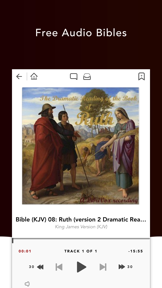


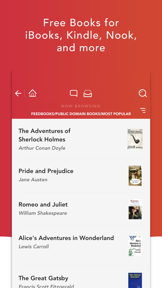
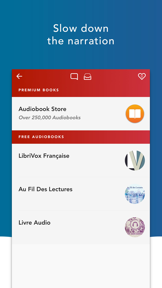
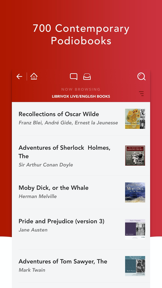
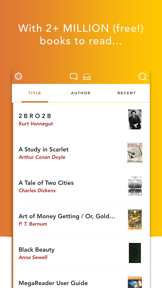
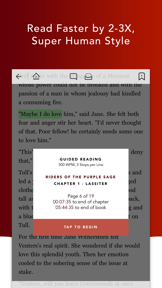


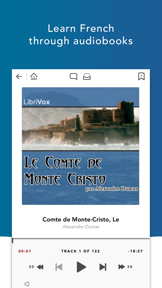


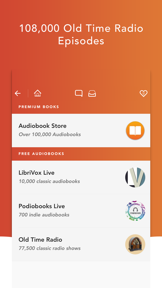





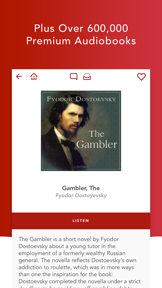



Snapshot
Who is Inkstone Software?
Providing readers with efficient access to public domain literature and audiobooks through non-subscription discovery and speed-reading tools.
Target audience


Portfolio
Free 3Last updated

Audiobooks HQ - audio books
v4.18
2.7y ago
Publisher DNA
What defines Inkstone Software?
Publisher DNA
Primary focus
Digital reading utilities and public domain content aggregation
Scale
indie
Target audience
Avid readers, commuters, and students seeking cost-effective access to classic literature and audiobooks without recurring monthly fees.
Signature Patterns
- •Heavy reliance on aggregating and indexing public domain content libraries
- •Monetization via a 'freemium' split between ad-supported versions and one-time paid 'Pro' upgrades
- •Strong focus on cross-platform interoperability with external e-reader devices
- •Utility-driven feature sets including speed-reading eye-tracking and variable playback controls
Portfolio momentum
Maintained a steady cadence with 3 updates across 8 total apps in the last 6 months, with 50% of the portfolio remaining under active development.
Portfolio
What does Inkstone Software ship?
Apps
9 apps analysed

Offline-first capability drives retention in low-connectivity regions
- Audio narration quality and diverse voice options provide a theatrical listening experience for daily scripture study
- Aggressive self-promotion and cross-selling of other products interrupt the primary audio listening experience between chapters




Distributed across 12 markets, strongest in Europe.
Based on 6 of 9 apps with localized market data, more coverage rolling in as scans complete · last scanned .
Americas (3)
- United States6 / 6
- Mexico4 / 6
- Brazil3 / 6
Europe (7)
- Spain4 / 6
- France3 / 6
- Germany3 / 6
- Italy3 / 6
- Netherlands3 / 6
›+2 more europe markets
- Portugal3 / 6
- Sweden3 / 6
Asia-Pacific (2)
- Japan3 / 6
- South Korea1 / 6
Core markets (6/6 apps)
User Sentiment
How do users feel about their apps?
0
Positive apps
1
Neutral / mixed
0
Negative apps
65/100
Avg sentiment score
Rivals
Who does Inkstone Software compete with?
The rivals identified
Nemeses(4)


Both applications target professionals and students seeking reading efficiency, competing directly on speed-reading mechanics and document processing capabilities.


Both apps target listeners seeking one-time purchase models to avoid recurring subscription fees, directly competing for the same price-sensitive user base.


Both apps aggregate digital library content for mobile reading, forcing a choice between MegaReader's low-cost, generalist access and EasyReader's specialized, high-friction accessibility focus.


Both apps compete for the same scripture-focused audience, forcing a choice between Audio Bibles' audio-first narration and Scroll The Bible's reading-centric infinite scroll interface.
Contenders(24)


Both apps compete for audiobook listeners, with FreeAudiobooks targeting users via a zero-cost entry point while Audiobooks HQ + focuses on a massive, non-subscription library.


Both applications target individuals seeking to improve reading efficiency, creating direct competition for users evaluating speed-reading tools on the App Store.


Both applications target users seeking to increase reading efficiency, competing directly for the same audience through speed-training features and document processing.


Both applications target the speed-reading market by utilizing RSVP technology to increase reading velocity for books and documents.


Both applications target the speed-reading market using RSVP technology to increase reading velocity. They compete directly for users seeking to improve reading efficiency through paid software.


Audioteka competes by offering a free-to-download model with broad category coverage and hardware integrations, directly challenging the paid on-demand model of Audiobooks HQ +.


Both applications target the speed reading market, with Spreader offering camera-based content ingestion while QuickReader focuses on guided eye-tracking technology.


Both apps target audiobook listeners, but Classic Audiobook Collection competes by offering a free, curated library of public domain titles, whereas Audiobooks HQ + charges a flat fee for a broader catalog.


Both apps target audiobook listeners, but they diverge on content volume and business model: Audiobooks HQ + offers a massive paid library while LibriVox focuses on free classic literature.


Both applications target students and professionals seeking to increase reading efficiency through specialized text-processing tools.

known for King James Version Bible Audio
Both apps compete for the same devotional user base by providing audio-first scripture delivery for daily study.


Litres competes for the same audiobook audience by offering a hybrid text-audio experience and a localized library that overlaps with the target's audiobook catalog.


Both applications target users seeking to improve reading efficiency through guided eye-tracking technology, creating direct competition for the same user base.


Both apps target audiobook listeners through library management and playback features, creating direct competition for users seeking audiobook access.


Both apps target audiobook listeners seeking large libraries, but they diverge on monetization: Audiobooks HQ + charges a one-time fee for 720,000 titles, while Audiobooks HD offers a free model with a smaller library.


Both applications compete for daily scripture engagement by offering audio-enabled reading experiences, directly targeting users who prioritize hands-free study.


Both applications target the speed-reading training market, creating direct competition for users seeking to improve reading efficiency and comprehension.


Both applications target users seeking to increase reading velocity through specialized focus modes. They compete directly for the same audience by offering tools to process books and reports more efficiently.


AudioAZ competes by offering a zero-cost alternative for public domain audiobooks, directly challenging the paid acquisition model of Audiobooks HQ + for users seeking free content.


Both apps target audiobook listeners, but Audiobooks HQ + provides a massive on-demand library while Librivox focuses on free public domain classics.


Tempt competes for the same audiobook listener base by offering a specialized, unlimited-access romance library that contrasts with the one-time purchase model of Audiobooks HQ +.


Both applications target users seeking to improve reading efficiency through the Rapid Serial Visual Presentation method, creating direct competition for the same audience.


Both apps compete for the same religious-content audience by providing multi-language scripture access and offline functionality. The rival directly challenges the paid iOS model of Audio Bibles by offering a free alternative with expanded video content.


Both apps target users seeking multi-language scripture access with offline playback capabilities. The rival's free pricing model on iOS directly challenges the $0.99 entry fee required by Audio Bibles.
Same space(81)

Offers a massive digital library and cross-platform synchronization, competing for the user time spent reading or listening to scripture.


Provides high-fidelity audio narration for general entertainment, serving as a premium alternative for users who prioritize listening quality over religious-specific features.


MoboReader targets the serialized fiction market, offering a different content format than the public domain classics found in eBook Search Pro.


Bookly focuses on the habit-tracking aspect of reading, serving as a companion tool rather than a content source.


TapRead competes for the same mobile-first serialized fiction readers with personalized content recommendations.


Provides a privacy-focused, ad-free speed-reading training environment without subscription gates.


Provides a speed-reading training environment using RSVP and guided highlighting for PDF and EPUB files.


Offers structured speed-reading training with adjustable speeds for various book categories.


Trains reading speed through a red-anchor visual mechanism to reduce eye fixation.


Barnes & Noble provides a retail-focused experience that bridges physical and digital book shopping.


Offers a similar reference-based study experience with a marketplace for additional content.


Uses prayer reminders to anchor daily routines, similar to the source app goal of consistent scripture engagement.


Enhances reading speed through text formatting rather than training the user's eye-tracking speed.


Book of the Month provides a curated discovery experience that contrasts with the broad, uncurated library of eBook Search Pro.


BookBeat targets the same audiobook and ebook audience with a large library and cross-device integration.


Bookmate serves the same audiobook and ebook audience with a large library and social-based recommendations.


Utilizes AI to drive engagement, offering a modern alternative to the source app traditional content delivery.


Leera utilizes a coupon-based subscription model to monetize serialized web novels, contrasting with the free public domain model.


My Books competes for the public domain reader segment by offering an audiobook subscription alongside its ebook library.


Offers similar speed-reading training exercises but adds support for specific file formats like ePub and DJVU.


Dreame competes for the same serialized fiction readers by utilizing gamified daily rewards to maintain user retention.


Directly competes in the audio-first scripture market with a premium, subscription-based model.


Bookology provides detailed reading analytics and library management, serving as a tool for habit-focused readers.


Directly competes in the speed-reading training space using RSVP technology and lifetime purchase models.


Offers multi-language scripture access and dramatized audio, directly overlapping with the source app core utility.


BookPlayer serves the same audiobook enthusiast niche by providing a server-agnostic player for personal collections.


MegaNovel builds a community-driven platform for serialized fiction, contrasting with the static library of eBook Search Pro.


Google Play Books competes for the same transactional audiobook market through deep Android OS integration.


Provides advanced study tools that appeal to users seeking deeper theological engagement than the source app offers.


Provides cognitive and eye-movement training exercises to improve reading speed, similar to the core training focus of QuickReader.


iReader captures the romance and serialized fiction audience that MegaReader lacks, using a freemium model to drive high-volume engagement.


Wownovel targets the web fiction market, providing a more specialized content library than MegaReader's generalist aggregator.


Galatea serves a similar romance-fiction audience but uses a multi-sensory, hybrid audio-text format to drive engagement.


Uses RSVP technology to present text one word at a time for focused reading.


Apple Books provides a native, subscription-free reading experience for Apple users, competing for general reader attention.


AudioBooth targets the same self-hosted audiobook user base with a streamlined client for Audiobookshelf.


JoyRead-Enjoy Novels & Shorts focuses on high-frequency serialized content, contrasting with the static nature of public domain titles.


Focuses on daily encouragement and verses, acting as a lighter, content-focused alternative for daily engagement.


Legimi serves the same audiobook and ebook audience with a subscription model for multi-format access.


Uses an RSVP engine to pace text consumption for students and researchers.


Libro.fm targets the same audiobook listener base but differentiates through an ethical profit-sharing model.


Serial Reader targets the same classic literature demographic as MegaReader but uses a daily delivery mechanism to force habit formation.


Serves the same book-reading audience but focuses on library management rather than speed-reading training.


Targets a similar demographic with personalized, aesthetic-focused study tools and offline functionality.


AudioBooks Unlimited to Kindle adds audio functionality to existing text libraries, serving as a utility for Kindle users.


Manga Reader serves the visual-first reader, providing a specialized viewer that MegaReader lacks for comic content.


CloudLibrary integrates physical and digital library services, offering a broader utility than the pure search focus of eBook Search Pro.


Shelfy turns reading into a ritualistic experience, focusing on aesthetic tracking rather than book discovery.


Libby provides institutional access to digital collections, acting as a free alternative to the public domain search tool.


Serves the same daily-habit segment with a mobile-first, customizable interface and offline access.


Uses prayer reminders to anchor daily routines, similar to the source app goal of consistent scripture engagement.


Margins focuses on granular tracking and personalization, serving as a utility for readers who want deep data on their habits.


Targets the same productivity-seeking audience by offering condensed book insights instead of training reading speed.


Offers a minimalist speed-reading experience using RSVP technology with a one-time purchase model.


Prologue serves the same audiobook enthusiast niche by integrating with self-hosted media servers.


Chirp Audiobooks captures the audio-focused segment of the reading market through a transaction-based model.


Kobo targets the same audiobook listener demographic but leverages hardware-software synergy to lock in power users.


Readmio targets the same audio-focused reading audience by using voice-recognition for interactive storytelling.


Provides a similar offline-capable study tool but relies on aggressive ad-monetization that creates a different user experience.


Provides a multi-format library for daily study, competing for the user time spent on religious reflection.


Everand offers a hybrid subscription model for audiobooks and ebooks, competing for the time of avid readers.


Provides daily verses and widgets to capture user attention, similar to the source app engagement loops.


Tapon targets the same high-intent romance and fantasy reader segment with a coin-based monetization model.


Combines standard e-reading with speed-reading technologies like RSVP and BeeLine Reader.


Integrates speed-reading modes with text-to-speech functionality for multi-modal learning.


Wehear targets the same serialized fiction audience with a focus on hands-free, eyes-free listening.


Enables users to toggle between text and audio formats, appealing to the same multi-format preference as the source app.


Novel Master uses social media discovery to acquire readers, contrasting with MegaReader's static library-based acquisition.


Focuses on speed-reading training but adds comprehension verification to ensure information retention.


Competes for the daily habit segment with a minimalist interface, though it faces similar ad-quality challenges.


ThriftBooks focuses on the physical used-book market, offering an alternative to digital discovery.


Offers guided audio study that fits into short daily routines, competing for the same time-constrained user segment.


Provides an offline-first utility for reading documents using visual cues to increase speed.


Ebooks Reader serves the efficiency-focused reader, offering a technical alternative to MegaReader's static library aggregation.


Voxa provides a similar catalog of audiobooks and ebooks for users seeking on-the-go content.


Provides a similar offline-capable study tool with audio features, targeting the same scripture-focused audience.


Uses bio-reading technology to enhance speed and comprehension for neurodivergent readers.


MyBook offers a similar library of audiobooks and ebooks with a focus on legal distribution.


Targets the same focus-training audience by using grid-based exercises to improve attention and visual scanning.


Storify targets the web novel market with a focus on daily updates, contrasting with the static public domain library.


ReadReel focuses on serialized web novels and short-form content, providing a different discovery path than eBook Search Pro.
New entrants(5)


Uses RSVP to center text on the screen for a distraction-free reading experience.


Vitreo serves the same audiobook enthusiast audience by providing a private, local-first listening experience.


Targets high-intent learners by providing structured reading comprehension practice with an AI tutor.


NovelO focuses on romance fiction, providing a targeted reading experience for specific genre enthusiasts.


Booktory provides a simple interface for novel reading, serving as a lightweight alternative to more complex library tools.
The Analyst's Read
The bottom line on Inkstone Software
Bottom line
Inkstone Software is a disciplined indie publisher that has successfully carved out a high-intent niche by offering a non-subscription alternative to mainstream reading apps. Their high weighted rating across both free and paid titles signals strong product-market fit among heavy readers and classic literature enthusiasts.
Frequently asked questions
How many apps does Inkstone Software publish?
What kind of apps does Inkstone Software make?
What is Inkstone Software's top app?
In how many countries are Inkstone Software's apps available?
What fed this analysis
- Apps analyzed:
- 8
- With full intel:
- 0
- With overview:
- 8
- Website scraped:
- yes
- Social presence:
- no