


OCLC
For public library patrons who consume both digital media and physical library resources.
 CloudLibrary


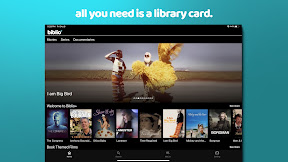


Snapshot
Who is OCLC?
Bridging the gap between physical and digital library services for patrons. Providing a unified mobile interface for managing library accounts.
Target audience


Portfolio
Free 3Last updated

CloudLibrary
v5.14.2
6mo ago
Publisher DNA
What defines OCLC?
Publisher DNA
Primary focus
Digital and physical library management tools
Scale
indie
Target audience
Public library patrons who consume both digital media and physical library resources.
Signature Patterns
- •Focus on hybrid physical-digital library workflows
- •Location-aware features for physical library card management
- •Completely free access model via institutional library partnerships
- •High update frequency for a utility-focused application
Portfolio momentum
Released 6 updates for its single active title in the last 6 months, with the most recent update occurring 7 days ago.
Portfolio
What does OCLC ship?
Apps
3 apps analysed

Analysis in progress


Single-market publisher, every app ships only to United States.
Based on 2 of 3 apps with localized market data, more coverage rolling in as scans complete · last scanned .
Americas (1)
- United States2 / 2
Core markets (2/2 apps)
Rivals
Who does OCLC compete with?
The rivals identified
Nemeses(1)

Both apps target public library patrons seeking zero-cost access to digital media, operating entirely on a free model subsidized by library partnerships.
Contenders(2)


Both platforms target public library patrons seeking free digital media access. Hoopla competes directly for user attention by offering a broader multi-format catalog that includes video and music alongside standard eBooks and audiobooks.


Both apps compete for digital readers and audiobook listeners, with CloudLibrary providing free public library access while Kobo targets retail buyers and subscribers.
Same space(18)


Adobe Digital Editions acts as a technical bridge for DRM-protected content, serving library patrons who need to access professional publishing formats.


Kindle competes for reading time by offering a vast retail catalog that contrasts with the public-library-focused lending model of CloudLibrary.


Reading List provides a privacy-focused tool for tracking reading habits, serving as a utility for users who prefer local data storage over cloud-based library management.


Audible captures the audio-focused segment of the reading market, providing a professional narration experience that complements the library-borrowing habits of CloudLibrary users.


Audioteka provides a mobile interface for audiobook streaming, serving as an alternative for audio-focused library users.


LibriVox offers free public domain audiobooks, serving as a low-cost alternative for users who prioritize free access over the curated library collections in CloudLibrary.


MoboReader targets serialized fiction readers, offering a distinct content format that deviates from the library-sourced titles found in CloudLibrary.


BookPlayer provides a server-agnostic playback experience for personal files, serving power users who avoid the subscription-based retail platforms.


Goodreads serves as the discovery layer for the broader book market, providing social context that CloudLibrary lacks for its catalog.


Apple Books provides a frictionless, subscription-free hub for digital reading that leverages deep integration within the Apple hardware ecosystem.


Legimi provides a subscription-based library of ebooks and audiobooks, offering an alternative to the library-borrowing model of CloudLibrary.


Libro.fm provides an ethical alternative to retail-focused audiobook platforms by supporting independent bookstores, appealing to users who value mission-driven consumption.


PocketBook Reader offers multi-format support that integrates with E Ink hardware, providing a technical utility for readers who own dedicated devices.


eBoox provides a multi-format reader that supports various file types, serving as a flexible tool for users who manage their own digital collections.


Everand offers a subscription-based model for hybrid content, contrasting with the free library-lending model provided by CloudLibrary.


Storytel provides a hybrid reading and listening experience, competing for the same user attention by offering multi-format access within a single subscription.


Bookmory provides habit-tracking features that allow users to manage their reading progress, serving as a companion to the library-borrowing functionality of CloudLibrary.


Bookly focuses on habit tracking and reading analytics, providing a utility that complements the consumption-focused nature of CloudLibrary.
The Analyst's Read
The bottom line on OCLC
Bottom line
OCLC is a dominant institutional player that has successfully translated its library infrastructure dominance into a high-performing mobile utility. Their focus on the hybrid patron experience provides a unique competitive advantage over digital-only lending platforms.
Frequently asked questions
How many apps does OCLC publish?
What kind of apps does OCLC make?
What is OCLC's top app?
In how many countries are OCLC's apps available?
What fed this analysis
- Apps analyzed:
- 1
- With full intel:
- 0
- With overview:
- 1
- Website scraped:
- yes
- Social presence:
- yes
