


OverDrive
For library patrons, K-12 students, and legal professionals requiring authenticated access to institutional digital collections.
 Libby, the library app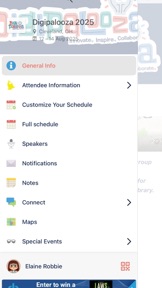








Snapshot
Who is OverDrive?
Connecting library patrons and students to digital collections through institutional access. Providing free, barrier-free reading and research tools.
Target audience


Portfolio
Free 5Last updated

Libby, the library app
v9.2.1
7mo ago
Publisher DNA
What defines OverDrive?
Publisher DNA
Primary focus
Digital library and educational content distribution
Scale
indie
Target audience
Library patrons, K-12 students, and legal professionals requiring authenticated access to institutional digital collections.
Signature Patterns
- •Institutional authentication model requiring library or school credentials
- •Focus on non-commercial, free-to-user content access
- •Deep integration with proprietary institutional library catalogs
- •Cross-platform support for ebooks, audiobooks, and research materials
Portfolio momentum
Released 8 updates across 4 apps in the last 6 months, with all top titles receiving updates within the last 60 days.
Portfolio
What does OverDrive ship?
Apps
5 apps analysed

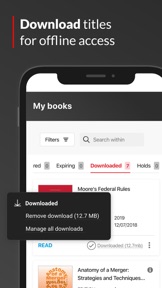
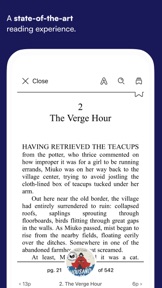
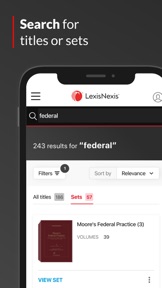
Offline reading capabilities allow legal professionals to access critical research without a constant connection
- Digital library access provides a convenient way to manage legal research and professional content
- Technical instability and frequent crashes prevent users from accessing or reading their downloaded materials

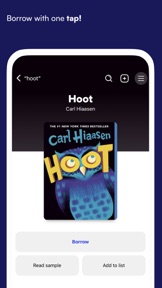
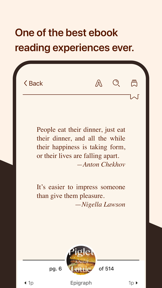
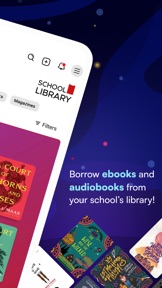
Read ebook bestsellers and listen to audiobook stories, from your local library.


Zero-cost content model sustains high organic install velocity
- Extensive library of audiobooks and ebooks provides significant value for users seeking free content
- Technical issues with offline playback and audiobook access frustrate users during their reading sessions
Read bestselling ebooks and listen to audiobooks from your local library.


Kindle integration provides a unique distribution advantage for U.S. library patrons
- Free access to extensive digital library collections provides significant value for budget-conscious readers
- Audiobook playback issues including intermittent stops and volume inconsistencies disrupt the listening experience

Strong focus on attendee-centric features like gamification
- Robust B2B ecosystem via the Guidebook platform

Gamified reading habits increase session frequency
- Extensive library of free audiobooks and ebooks provides significant value for students and readers
- Frequent application freezes and crashes during startup or playback disrupt the reading experience for users
Distributed across 12 markets, strongest in Europe.
Based on 3 of 5 apps with localized market data, more coverage rolling in as scans complete · last scanned .
Americas (3)
- United States3 / 3
- Brazil1 / 3
- Mexico1 / 3
Europe (7)
- France1 / 3
- Germany1 / 3
- Italy1 / 3
- Netherlands1 / 3
- Portugal1 / 3
›+2 more europe markets
- Spain1 / 3
- Sweden1 / 3
Asia-Pacific (2)
- Japan1 / 3
- South Korea1 / 3
Core markets (3/3 apps)
User Sentiment
How do users feel about their apps?
2
Positive apps
2
Neutral / mixed
0
Negative apps
64/100
Avg sentiment score
Unlock the app dragging this portfolio down.
Access the full report for freeRivals
Who does OverDrive compete with?
The rivals identified
Nemeses(4)


Audible competes for the same audiobook listener base by offering professional narration and cross-platform synchronization, directly challenging the library-card-based model of Libby with a premium subscription service.


Dominates the K-12 digital reading space with a massive content library and high-frequency release cadence.


High-velocity development and deep scholarly feature sets make this the primary benchmark for professional-grade digital library experiences.


Biblio Digital targets the same public library patron audience as Libby, requiring a library card for authentication to access digital lending platforms.
Contenders(12)


Both apps compete for the same audience of ebook and audiobook consumers, directly vying for daily media consumption time through shared content formats.


Both apps provide free, subscription-free audiobook access, though they serve different content sources: Libby focuses on institutional library collections while BookPlayer targets personal media files.


Both apps target the same reader demographic, but while Libby provides the digital content, Goodreads captures the social discovery and tracking time that competes for user attention.


Offers a highly optimized split-screen reading experience that directly competes with the target's courtroom-ready utility.


Provides a comprehensive curriculum-aligned platform that directly competes for school-based usage time.


Both apps compete for the same mobile reading and listening time by providing access to digital books and audiobooks. They overlap in user base despite the difference between library-card-based borrowing and direct storefront purchasing.


Serves as a versatile local reader for users managing personal libraries across various formats.


Both apps target public library patrons with free digital media, creating direct competition for the same user base and library budget allocation.


Both apps target public library patrons for digital media access, but CloudLibrary differentiates by bridging physical library checkouts with digital lending in a single interface.


PocketBook Reader competes by supporting Adobe DRM and LCP, allowing users to open library-borrowed content alongside personal files, which directly overlaps with the library-card-based value proposition of Libby.


Kobo competes for the same audiobook and ebook audience by offering a paid subscription model that provides instant access to titles, whereas Libby relies on library inventory wait times.


eBoox competes for the same reader demographic by providing a free, ad-free interface for personal file collections, whereas Libby relies on institutional library inventory to provide content.
Same space(37)


known for Gospel Library
A massive, highly-rated repository of institutional content that demonstrates the scale of a dedicated organizational library.


Serves the same library patron base as Libby but adds gamified reading programs.


Offers a commercial alternative for users who prefer direct content ownership over library-card-based borrowing.


Functions as a distraction-free reader for personal ebook files without digital rights management.


Operates as a direct library-integrated competitor for digital media access.


Provides a curated discovery experience for fiction readers that contrasts with Libby's open library catalog.


Manages the administrative logistics of book clubs that Libby users might organize outside the app.


Focuses on exclusive romance serials, creating a content-gated experience distinct from public library collections.


A peer-to-peer learning community that addresses immediate homework help needs outside of library resources.


Uses gamified daily rewards to retain romance readers, contrasting with the institutional borrowing limits of library apps.


Converts documents to audio using AI, serving as a technical utility for readers seeking alternatives to standard audiobook selections.


Provides the social discussion layer missing from Libby by integrating media tracking with group chats.


Provides a transactional purchase model for individual content, serving as a commercial alternative to institutional borrowing.


Uses a coin-based micro-transaction model for serialized fiction, creating a high-friction contrast to the free institutional model.


Focuses on high-intent romance readers with an ad-supported library, serving as a commercial alternative to library access.


Offers a mix of romance novels and audiobooks, serving as a commercial alternative to library-based access.


Provides a multi-sensory reading experience for romance readers, competing for the same time-share as library audiobooks.


Serves as a discovery utility for public domain literature that complements Libby's library-card access.


A primary LMS platform that serves as the central hub for school assignments and digital resources.


Serves a mission-driven audience with a non-commercial study repository, contrasting with the institutional library-card access model.


Provides a dedicated client for self-hosted audiobook servers for users who want to manage their own files.


Offers a local-first cataloging tool for personal collectors who prioritize privacy over library-connected borrowing.


Provides a commercial digital library for ebooks and audiobooks, serving as a consumer-facing alternative to library apps.


Targets the ethical-consumer segment of the audiobook market by routing profits to independent bookstores.


Uses a voucher-based economy for serialized fiction, contrasting with free institutional borrowing.


Essential administrative and academic portal that captures significant student and parent attention daily.


Provides a specialized player for self-hosted media that appeals to power users with personal collections.


Acts as a price-tracking assistant for ebook readers who want to build personal libraries at a discount.


Targets serialized genre fiction readers with daily updates, serving as a paid alternative to free library content.


Provides data-driven reading insights for users who want more analytical depth than Libby offers.


Provides an affordable e-commerce marketplace for physical books that competes with library-based digital access.


Gamifies the reading habit for users who want granular statistics beyond simple library checkout tracking.


Captures the social-reading demographic Libby lacks through community-driven serialized fiction.


Bridges amateur writing with media adaptation, offering a social storytelling community that differs from curated library catalogs.


The gold standard for offline-first reference access, providing a robust engine for massive, portable knowledge bases.


Uses a token-gated model for serialized fiction, creating a high-cost alternative to free library borrowing.


Acts as a local file viewer for users who own personal ebook collections outside library systems.
New entrants(4)


Aggressive release cadence and AI-focused utility for solving complex math problems in real-time.


Rapidly gaining traction with a modern, high-engagement UI that prioritizes user-guided study paths.


Rapidly gaining traction by leveraging generative AI to automate study material creation from lectures.


Provides a local viewer for DRM-free files for users who prefer offline reading without account requirements.
The Analyst's Read
The bottom line on OverDrive
Bottom line
OverDrive maintains a dominant, defensible position in the digital library space by serving as the essential middleware between institutions and their users. Their portfolio demonstrates high product-market fit within the public sector and education, though technical stability remains a variable in their specialized professional tools.
Frequently asked questions
How many apps does OverDrive publish?
What kind of apps does OverDrive make?
What is OverDrive's top app?
In how many countries are OverDrive's apps available?
What fed this analysis
- Apps analyzed:
- 4
- With full intel:
- 4
- With overview:
- 4
- Website scraped:
- yes
- Social presence:
- yes
