himalaya-soft
For students, language learners, and literature enthusiasts seeking free or low-cost access to classic texts and audiobooks.
 Librivox

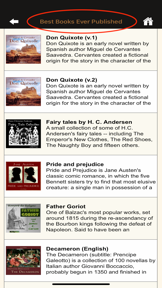


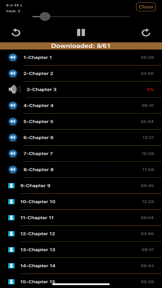

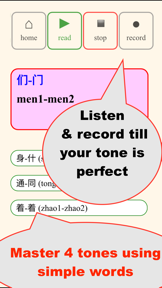










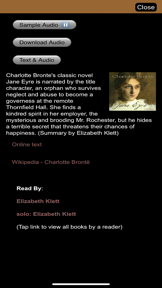


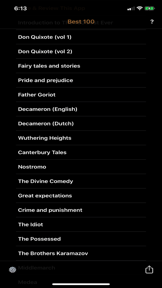







Snapshot
Who is himalaya-soft?
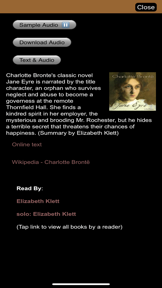
Bridging the gap between classic literature and modern accessibility through synchronized audio-reading utilities.
Target audience


Portfolio
Free 12Last updated

Librivox
v10.23.4
6mo ago
Publisher DNA
What defines himalaya-soft?
Publisher DNA
Primary focus
Accessibility tools and public domain literature readers
Scale
studio
Target audience
Students, language learners, and literature enthusiasts seeking free or low-cost access to classic texts and audiobooks.
Origin
Founded following the success of their NY Times Himalaya Reader, which was recognized as a top app of 2011.
Signature Patterns
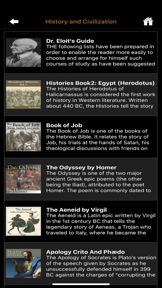
- •Heavy utilization of public domain content sources including LibriVox, Project Gutenberg, and Wikipedia.
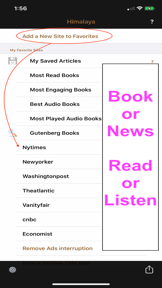
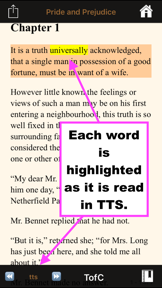
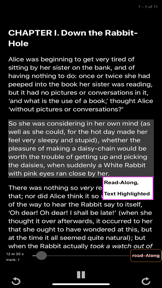
- •Core feature set centered on synchronized audio-to-text playback and voice-controlled navigation.
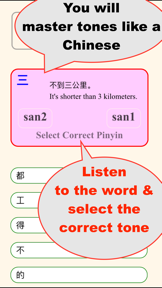
- •Dual-market focus on Western literature enthusiasts and Mandarin/English language learners.
- •Monetization strategy spanning free, paid, and freemium models across the portfolio.
Portfolio momentum
The publisher released 5 updates in the last 6 months, focusing development on a core group of 3 active apps while maintaining a larger legacy catalog.
Company profile
low confidence- Founded
- 2011
Portfolio
What does himalaya-soft ship?
Apps
14 apps analysed


Offline article saving enables reliable knowledge access
- Comprehensive information access across diverse subjects keeps users returning for daily research and learning
- Search logic changes and interface clutter increase the number of clicks required to find relevant articles


Analysis in progress
Single-market publisher, every app ships only to United States.
Based on 1 of 14 apps with localized market data, more coverage rolling in as scans complete · last scanned .
Americas (1)
- United States1 / 1
Core markets (1/1 apps)
User Sentiment
How do users feel about their apps?
1
Positive apps
0
Neutral / mixed
0
Negative apps
75/100
Avg sentiment score
Rivals
Who does himalaya-soft compete with?
The rivals identified
Nemeses(4)


Audiobooks HQ provides a massive library of audio content without subscription fees, serving the same casual listener demographic as the source app.


Both applications target classic literature readers by providing overlapping access to public domain audiobooks and eBooks.


Both applications target digital readers, with ReadEra capturing the general utility market while Gutenberg Book Reader focuses on curated public domain literature and audio-text synchronization.


Dominates the text-to-speech market with high-velocity feature updates and a massive, cross-platform user base.
Contenders(25)


LibriVox provides a volunteer-driven library of audiobooks, serving as a content source for many free reading apps.


known for Books - 23,469 Classics To Go. The Ultimate Ebooks And Audiobooks Library
This app provides a large, free library of classic literature, though its low rating suggests quality issues compared to the source app.


Both applications target the same audience of classic literature enthusiasts by providing access to the Project Gutenberg library.


This app provides a similar library of public domain content but relies on an ad-supported model, whereas the source app is a paid, premium-focused experience.


Both applications provide mobile access to the Project Gutenberg library, creating direct competition for users seeking classic literature.


This app provides a similar library of public domain audiobooks, targeting users who want to listen on the go.


Both apps provide free access to public domain literature sourced from Project Gutenberg, targeting the same audience of classic literature readers.


Opus Classics focuses on deep reading and language learning through human-narrated audio and text-syncing features.


Vellum offers a similar offline-first library of public domain classics, targeting users who prioritize a clean, ad-free experience.


Both apps target readers of public domain literature, creating direct competition for users seeking free access to classic titles.


Both applications target readers of public domain literature by providing direct access to the Project Gutenberg library. They compete for the same audience seeking classic titles and audiobooks.


Both applications target readers of public domain literature, but BookShelves provides a significantly larger catalog and broader file format support at no cost.


Both apps target audiobook listeners seeking synchronized text and audio, though FreeFM targets romance readers while Librivox provides a general library of 7,000 titles.


Both applications provide access to the Project Gutenberg library, creating direct competition for users seeking free classic literature.


Both applications target literature enthusiasts seeking digital access to public domain and library collections, creating direct competition for users prioritizing portable reading experiences.


Both apps provide free access to public domain literature, targeting readers of classic texts through digital interfaces.


Both applications target readers seeking audio-visual integration, with Gutenberg Book Reader focusing on public domain content and MapleRead CE on EPUB customization.


A specialized productivity tool that directly competes for the same 'listen-to-content' user intent.


Both apps target audiobook listeners utilizing the LibriVox catalog, but ListenBook Pro focuses on local DRM-free file management while Librivox provides a synchronized read-along experience.


Both apps target audiobook listeners by providing access to the public domain LibriVox catalog, competing directly for users seeking free classic literature.


Both apps target users seeking audio-based reading experiences, but Gutenberg focuses on curated classic literature while Books Aloud AI Reader targets general document and PDF accessibility via AI synthesis.


Both apps target audiobook listeners with accessible libraries, but FreeAudiobooks focuses on modern genre fiction while Librivox provides synchronized text for curated content.


Both applications target literature enthusiasts by providing digital libraries and audiobook access, creating direct competition for user time and wallet share.


Both apps target readers of public domain literature, competing for the same user base seeking free access to classic titles.


Island Reader competes for the same long-form reading audience by offering file import and AI-driven text-to-speech that overlaps with the audio-text synchronization features in Gutenberg Book Reader.
Same space(27)


This app provides a static library of classic books for offline reading, serving a similar niche as the source app but with less content depth.


Libby serves the same audience by providing free access to digital content, though it relies on library-managed inventory rather than the static public domain collection of the source app.


This app provides a similar library of public domain titles with a focus on a distraction-free reading experience.


Audible competes for the same audiobook audience but uses a subscription model instead of the free public domain focus of Librivox.


SwipeBook targets the same classic literature audience but focuses on educational translation rather than just library access.


80 Classics targets students with a curated library and an offline-first read-aloud utility.


Users report: AudioBooks - MP3 & M4B player prioritizes user privacy and design, appealing to users who avoid data-harvesting apps.


Storytel targets the same multi-format reader demographic by allowing users to toggle between audio and text, though it operates on a subscription model instead of a one-time purchase.


Audiobook Player integrates AI-driven chapter recaps to help users resume listening after long breaks.


Kindle competes for reader attention through a massive retail catalog and cross-device sync, though it lacks the specific focus on public domain audio-text synchronization found in the source app.


EPUB, PDF Leser, Buch enhances the reading experience with ambient soundscapes for a more immersive environment.


Targets the same 'no time to read' audience but focuses on curated summaries rather than full-text narration.


BookBeat offers a subscription-based library of one million titles, competing on scale and cross-device synchronization.


Bookmate provides a similar multi-format library experience but differentiates through social recommendations and a subscription-based model.


Directly competes for the 'micro-learning' attention span with high-frequency content releases.


Classic Audiobook Collection offers a broad library of free literature, positioning itself as an accessible bookshelf.


Hoople provides a similar audiobook listening experience, focusing on offline access and playback controls.


This app focuses on the same offline reading habit as the source app, providing a free library of classic titles.


BookPlayer serves power users managing personal media libraries, avoiding the subscription lock-in of retail-focused platforms.


An adjacent learning platform that captures users looking for efficient knowledge acquisition.


LoudReader converts text to speech using AI, allowing users to listen to any ebook or PDF offline.


Serial Reader focuses on habit formation by delivering classic literature in daily, bite-sized segments.


Audiobooks King provides free audiobook streaming but faces retention challenges due to technical instability and catalog reductions.


PocketBook Reader functions as a utility for hardware owners, providing a multi-format reading experience that competes for time spent on classic literature.


Audiobooks.com provides a hybrid content model that bridges free access and subscription-based VIP selections for audiobook listeners.


This app serves an adjacent educational need by digitizing physical books, complementing the source app's focus on digital-first classic literature.


Book Reader provides personal statistics to encourage daily reading habits among casual users.
New entrants(4)


Classics – Public Domain Books supports language learners with specific annotations for Japanese and Chinese texts.


Yegle allows researchers to compare original texts with translations in a multilingual environment.


Audiobook Player - Offline focuses on local file management and offline listening, serving users who prefer to own their audiobooks rather than stream them.


Rapidly emerging as a threat by leveraging AI to transform passive listening into active study notes.
The Analyst's Read
The bottom line on himalaya-soft
Bottom line
Himalaya-soft is a specialized utility publisher with a proven ability to scale public-domain content into high-engagement accessibility tools. Their massive review volume and high weighted rating suggest a durable competitive advantage in the audio-reader niche.
Frequently asked questions
How many apps does himalaya-soft publish?
What kind of apps does himalaya-soft make?
What is himalaya-soft's top app?
In how many countries are himalaya-soft's apps available?
What fed this analysis
- Apps analyzed:
- 14
- With full intel:
- 0
- With overview:
- 14
- Website scraped:
- yes
- Social presence:
- no