
Digital Press Publishing
For budget-conscious readers, students, and classic literature fans seeking a permanent digital library without recurring fees.
 My Books – Unlimited Library










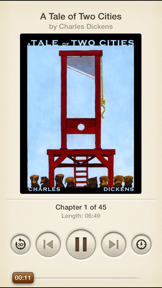

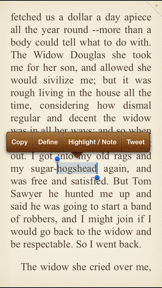

Snapshot
Who is Digital Press Publishing?
Providing affordable, one-time purchase access to classic public domain literature and audiobooks for students and literature enthusiasts.
Target audience


Portfolio
Free 3Last updated

My Books – Unlimited Library
v6.2
5.9y ago
Publisher DNA
What defines Digital Press Publishing?
Publisher DNA
Primary focus
Public domain literature and audiobooks
Scale
indie
Target audience
Budget-conscious readers, students, and classic literature fans seeking a permanent digital library without recurring fees.
Origin
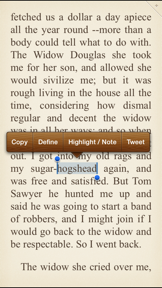
Classicly is an eBook publishing portal dedicated to digitizing popular works of legendary authors for modern devices.
Signature Patterns
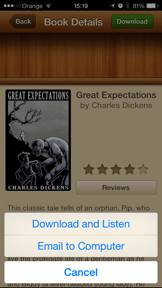
- •Monetization exclusively through one-time paid purchases ($0.99 - $1.99).
- •Focus on high-volume curation of public domain assets rather than original content.
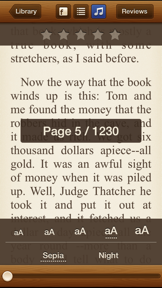
- •Complete absence of recent maintenance, leading to critical rendering issues in flagship titles.
- •Targeting utility-seeking users looking for alternatives to subscription-based audiobook platforms.
Portfolio momentum
The portfolio is entirely stagnant with zero releases in the last six months and all three titles classified as abandoned since 2017 or earlier.
Portfolio
What does Digital Press Publishing ship?
Apps
6 apps analysed

Analysis in progress

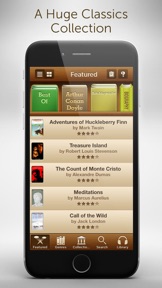
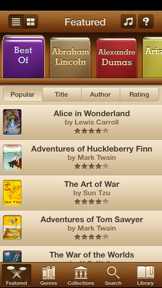
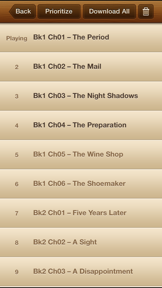
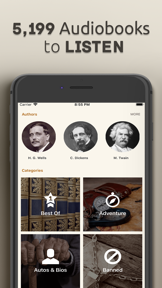
Extensive curated library of 5,000+ titles
- Low-cost, one-time purchase model

Analysis in progress


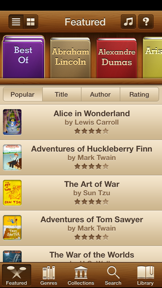

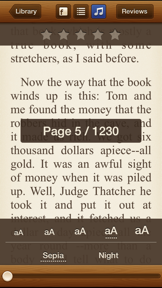
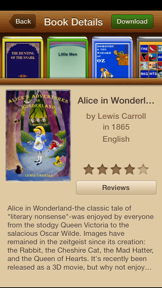
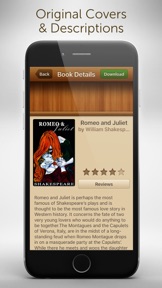
Unique custom cover art for public domain works
- Content Selection
- Rendering Failure
Single-market publisher, every app ships only to United States.
Based on 2 of 6 apps with localized market data, more coverage rolling in as scans complete · last scanned .
Americas (1)
- United States2 / 2
Core markets (2/2 apps)
User Sentiment
How do users feel about their apps?
0
Positive apps
0
Neutral / mixed
1
Negative apps
25/100
Avg sentiment score
Rivals
Who does Digital Press Publishing compete with?
The rivals identified
Nemeses(3)


LibriVox acts as a volunteer-driven portal for public domain audiobooks, mirroring the core content focus of the source app.


Both apps target audiobook listeners, but BookPlayer captures power users through local file management while the target app focuses on a pre-packaged library of public domain classics.


Favoread competes for the same mobile reader attention by offering a digital library of serialized fiction, though it targets modern genre fiction rather than the public domain classics found in Free Books.
Contenders(18)


MoboReader offers a vast library of serialized novels that competes for the time of readers who might otherwise use the source app.


Both apps target commuters and literature enthusiasts with audiobook libraries, creating direct competition for users seeking accessible, non-subscription listening experiences.


Litres dominates regional markets by offering a vast, localized library that global competitors often overlook.


Both apps compete for the same audiobook listener audience, but Spine offers a free, cloud-integrated player for user-owned files while the target app charges for a fixed library of public domain titles.


Both applications target the same audience of classic literature listeners by providing access to public domain audiobooks. They compete directly on the value proposition of library accessibility and playback utility.


Both apps target users seeking classic literature and bedtime stories, creating direct competition for time spent listening to public domain content.


Both apps target classic literature enthusiasts, with the rival offering a significantly larger library of 150,000 audiobooks compared to the target app's 4,000. The rival directly competes for the same user base by providing free access to public domain audio content.


Both apps target the audiobook listener segment, with Novelwave providing a player for personal files while Audiobooks - 5,239 Classics provides a fixed library of public domain content.


Both apps target classic literature enthusiasts by providing access to public domain audiobooks, forcing a choice between a one-time purchase model and an ad-supported free experience.


Both apps compete for the same audiobook listening time, though they address different user needs: one provides a curated library of content while the other functions as a utility for personal file management.


Both applications target literature enthusiasts by providing access to public domain audiobooks, creating direct competition for the same user base.


Both apps target audiobook listeners, but they serve distinct needs: one provides a curated library of 5,000 classics for a flat fee, while the other functions as a utility for managing personal DRM-free files.


Both apps serve audiobook listeners, but they target distinct segments: one provides a pre-loaded library of classics, while the other functions as a player for personal media collections.


Both apps target the audiobook market, but they serve distinct needs: one provides a pre-curated library of classic literature, while the other functions as a utility for managing personal audio files.


Both applications target users seeking classic literature and audiobooks, creating direct competition for the same library-focused audience.


Both apps target classic literature enthusiasts, but the rival offers a larger library of 20,000 titles for free, directly challenging the paid model of the target app.


Both applications compete for user time within the audiobook category, targeting readers who prefer long-form audio content over traditional text formats.


Both apps target listeners seeking non-subscription audiobook access, with xigxag competing by offering a tiered-pricing retail model against the one-time purchase, public-domain library of Free Audiobooks Pro.
Same space(30)


Google Play Books leverages Android system-level integration to provide a frictionless purchase-and-read flow for mainstream users.


AstraNovel focuses on high-volume, serialized content delivery for users seeking mobile-first access to diverse genres.


Galatea targets romance readers with immersive, multi-sensory storytelling that differentiates from standard audiobook playback.


BestNovel offers a centralized reader for local files and platform-hosted content, though it relies on ad-supported models.


Kobo targets power users who prefer hardware-software synergy and a curated digital library over basic public domain access.


Everand targets high-volume readers with a hybrid catalog of unlimited titles and premium monthly unlocks.


Storytel offers a versatile, multi-format library for users who want to toggle between reading and listening for a single title.


MyBook provides a synchronized library experience for users who require cross-platform access to both ebooks and audiobooks.


BookBeat offers a multi-format library with broad device support, including wearables and car interfaces.


Libro.fm appeals to ethical consumers by routing profits to independent bookstores, creating a mission-driven retention barrier.


Tapon targets high-intent fiction readers with a gamified coin economy that contrasts with the one-time purchase model of the source app.


JoyLit provides a dual-format experience for serialized fiction that appeals to readers who switch between text and audio.


ReadNow provides a similar serialized fiction experience for readers who enjoy daily content updates.


Audible serves as a high-end alternative for users seeking professional narration and a massive library beyond public domain classics.


Bookmate offers a multi-language library with social recommendation features that expand on the source app's static collection.


Chaptrs serves a specific faith-based demographic by providing curated, human-narrated Islamic content.


Dreame serves the same romance-fiction audience with a massive library of 500,000 serialized novels.


Bookology serves the same reading audience by providing tools to organize and track their personal libraries.


Goodreads functions as the discovery layer for the same book-reading audience, providing social tracking rather than direct content access.


JoyRead targets the same fiction-reading demographic but uses a high-friction ad-task model instead of the one-time purchase model.


Legimi offers a subscription for unlimited access to a multi-format library that includes synchrobooks for seamless transitions.


Literie provides a similar serialized fiction experience, targeting readers of romance and fantasy genres.


Hoopla serves the same audience by providing free access to digital media, though it relies on library partnerships rather than a one-time purchase.


Libby provides a free, institutional alternative for accessing digital audiobooks via library card integration.


Chirp captures price-sensitive users by offering individual title purchases without the burden of a monthly subscription.


Readmio targets parents with interactive, voice-triggered audio stories that differ from the source app's classic library.


GoodNovel targets the same web novel readers by using a task-based system to incentivize daily engagement.


Wehear specializes in serialized fiction audiobooks for listeners seeking hands-free consumption of genre-specific content.


Audiobooks.com combines a massive catalog with flexible playback features, serving as a commercial alternative for avid listeners.


Voxa offers a broad multi-format subscription library that includes book summaries and mindfulness content.
New entrants(4)


Classics directly competes for the same public domain audience by offering a curated, ad-free library of classic literature.


Audiobook Player serves as a technical tool for users who want granular control over their own local audiobook files.


NovelO focuses on serialized romance fiction with a customizable reader interface for mobile users.


Classicora provides a free, distraction-free library of classic novels, targeting the same budget-conscious literature enthusiasts.
The Analyst's Read
The bottom line on Digital Press Publishing
Bottom line
Digital Press Publishing is a legacy indie publisher that has successfully monetized public domain content through a paid-upfront model, but is now effectively defunct. Their portfolio remains relevant only as a low-cost archive, as the lack of technical updates has ceded the competitive landscape to modern subscription-based readers.
Frequently asked questions
How many apps does Digital Press Publishing publish?
What kind of apps does Digital Press Publishing make?
What is Digital Press Publishing's top app?
In how many countries are Digital Press Publishing's apps available?
What fed this analysis
- Apps analyzed:
- 3
- With full intel:
- 2
- With overview:
- 3
- Website scraped:
- yes
- Social presence:
- no