


HUBX
For creative hobbyists, DIY enthusiasts, and self-directed learners seeking accessible AI-powered content generation and skill-building tools.
 Home AI - AI Interior Design




Snapshot
Who is HUBX?
Providing specialized generative AI tools to help creators, homeowners, and learners automate complex design and educational tasks.
Target audience


Portfolio
Free 21Last updated

Home AI - AI Interior Design
v1.8.7
2mo ago
Publisher DNA
What defines HUBX?
Publisher DNA
Primary focus
Generative AI utilities for design, media, and education
Scale
studio
Target audience
Creative hobbyists, DIY enthusiasts, and self-directed learners seeking accessible AI-powered content generation and skill-building tools.
Signature Patterns
- •Core product value derived from generative AI (LLMs and Diffusion models) across all categories.
- •Aggressive freemium monetization strategy, frequently utilizing weekly subscription tiers.
- •Rapid iteration cycle with a high volume of updates to maintain feature parity with AI advancements.
- •Broad category diversification spanning Graphics & Design, Photo & Video, and Education.
Portfolio momentum
The publisher maintains an exceptionally high development cadence, having released 136 updates across 15 active apps in the last 6 months.
Portfolio
What does HUBX ship?
Apps
21 apps analysed

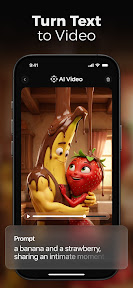
AI Video Generator for text & photo to videos. AI generated dance, viral videos.


Drag-and-drop interface lowers creative barrier
- High visual quality of generated videos provides satisfaction for users who successfully complete the process
- Aggressive monetization via hidden coin costs after subscription payment creates a sense of being scammed

AI Video Generator for text & photo to videos. AI generated dance, viral videos.


One-tap generation flow reduces the barrier to entry for casual creators.
- The core video generation output provides high quality results that users find visually impressive
- Aggressive monetization tactics require users to pay for both a subscription and additional coins

Practice English speaking with an AI tutor. Pronunciation and speaking practice

Practice English speaking with an AI tutor. Pronunciation and speaking practice


Real-time pronunciation feedback functions as a high-value retention loop
- Interactive AI tutor sessions provide a helpful and engaging way for beginners to practice English conversation
- Aggressive subscription paywalls after the trial period frustrate users who expected a free language learning service

AI Art Generator transforms your words into AI generated art & paintings.


Multi-platform availability drives consistent category chart presence.
- Creative image generation capabilities allow users to visualize specific concepts and toy-based battle scenes effectively
- Users report: Aggressive and deceptive subscription practices lead users to feel scammed by hidden charges and difficult cancellation flows
Distributed across 20 markets, strongest in Europe.
Based on 18 of 21 apps with localized market data, more coverage rolling in as scans complete · last scanned .
Americas (4)
- United States18 / 18
- Brazil15 / 18
- Mexico14 / 18
- Canada10 / 18
Europe (9)
- France15 / 18
- Portugal15 / 18
- Germany14 / 18
- Italy14 / 18
- Spain14 / 18
›+4 more europe markets
- Netherlands12 / 18
- Sweden12 / 18
- Turkey9 / 18
- United Kingdom9 / 18
Asia-Pacific (7)
- Japan14 / 18
- South Korea14 / 18
- Australia11 / 18
- India9 / 18
- Indonesia9 / 18
›+2 more asia-pacific markets
- Singapore9 / 18
- Vietnam9 / 18
Core markets (18/18 apps)
User Sentiment
How do users feel about their apps?
2
Positive apps
1
Neutral / mixed
6
Negative apps
36/100
Avg sentiment score

Unlock the app dragging this portfolio down.
Access the full report for freeRivals
Who does HUBX compete with?
The rivals identified
Nemeses(7)


Both applications target the same student and professional demographics by offering automated meeting transcription and summarization tools. They compete directly for users seeking to convert audio and video sources into actionable notes.


Kling AI is the most direct thematic rival, focusing exclusively on high-fidelity text-to-video generation with a massive release cadence of 27 updates in six months.


Both applications target professionals and students for automated meeting transcription and summarization, creating direct competition for the same productivity-focused user base.


Both apps compete for the same creative user base within the Art and Design category by offering freemium generative AI tools for image creation.


Both apps target English fluency through AI-driven conversational practice, directly competing for the same high-intent user base seeking professional advancement.


PixVerse competes directly for the short-form content creation market by offering identical text-to-video and image-to-video generation tools that overlap with the core functionality of AI Video Generator.


Both platforms target DIY design enthusiasts with AI-driven visualization tools, competing directly for the same user base seeking to plan home renovations.
Contenders(59)


Both apps target homeowners and DIY enthusiasts with AI-driven interior design, competing directly for the same user base seeking virtual staging and room makeovers.


known for Arch - AI Home Design
Arch competes for the same DIY interior design audience by offering identical photo-based room transformation features at no cost. Both apps target users seeking to visualize design changes through smartphone camera inputs.


Hypic targets the same trend-focused social media audience with AI-driven filters and avatar generation.


Both apps target casual users through generative image workflows, competing directly for the same creative-utility audience.


Both apps target mobile-first creators with generative AI tools, competing for the same user base seeking rapid image asset production.


Both apps target casual users through overlapping AI-driven image generation and avatar creation features, competing for the same creative utility market.


Both apps target casual users with text-to-image generation capabilities and share a freemium pricing model.


Both apps compete for the same generative AI image market, with Promptchan AI extending the core image generation utility into interactive character chat and voice experiences.


Both apps compete for the same casual user base by offering generative AI tools for photo transformation and avatar creation. They share a core utility in converting user-provided images into stylized digital assets.


Both apps target the mobile language learning market, competing for the same user base through AI-driven conversational features and subscription-based monetization models.


Both apps target students and professionals with AI-driven transcription and summarization, creating direct competition for users seeking automated meeting and lecture documentation.

known for
Both applications target the short-form content creation market by providing text-to-video and photo-to-video generation tools for social media users.


Arch competes for the same DIY interior design audience by offering identical photo-based room transformation features at no cost. Both apps target users seeking to visualize design changes through smartphone camera inputs.


Both apps target language learners using AI-driven conversational practice as the primary delivery mechanism for fluency.


Fravix competes for the same casual creative user base by offering image-to-image generation and specialized portrait editing tools that overlap with the core functionality of DaVinci.


Babbel functions as a structured, expert-led curriculum provider that complements BetterSpeak's conversational focus with academic-backed lessons.


Both apps compete for the same user base by offering text-to-image and image-to-image generation through a freemium model.


Busuu serves as a community-based alternative to BetterSpeak, shifting the focus from AI-only feedback to human-verified corrections from native speakers.


Both apps target the same creative user base by offering AI-driven visual transformations, with the rival focusing on static image manipulation while the source app focuses on video generation.


Both apps target DIY home renovators with AI-generated visuals, competing for the same user base seeking rapid interior and exterior design inspiration.


Both applications target language learners through AI-driven conversational practice, creating direct competition for users seeking to improve fluency via interactive speaking sessions.


Both apps target students and professionals with automated transcription and summarization, creating direct competition for users seeking to convert audio or video content into structured notes.


Both apps target the same user base by converting text prompts into digital art using generative models. They compete directly for users seeking fast, accessible image generation tools.


Both apps target language learners, but BetterSpeak uses private AI-driven spoken practice while HelloTalk relies on human-to-human social exchange.


Both apps target English language learners through AI-driven conversational practice and share a subscription-heavy monetization model that triggers user churn.


Both apps target students and professionals for AI-powered transcription and summarization of audio and video, creating direct competition for the same productivity workflow.


Roomlio targets the same DIY interior design audience as Home AI by providing AI-powered room makeovers and style visualization tools. Both platforms utilize photo uploads to generate home design concepts.


Both apps target DIY home design enthusiasts by offering AI-powered room makeovers from uploaded photos, creating direct competition for the same user base.


Both apps compete for the same casual creative image generation audience, with the rival narrowing the focus to tattoo-specific design templates and body-part placement.


Both apps target the same DIY interior design audience by using photo-based AI to generate room and garden makeovers.


Both applications target English fluency through AI-powered conversational practice and share a free pricing model, creating direct competition for users seeking spoken language improvement.


Both applications target professionals and students with automated transcription and AI-powered summarization, creating direct competition for meeting and lecture documentation workflows.


Both apps target students and professionals with AI-powered transcription and summarization, creating direct competition for users seeking meeting and lecture documentation.


Both applications target homeowners and DIY enthusiasts with AI-powered visualization tools for renovation planning and material experimentation.


Both apps target the generative AI image creation market, competing for users seeking text-to-visual conversion tools.


Both applications target the same user base by prioritizing AI-driven conversational English practice and real-time feedback over traditional grammar-heavy instruction.


Both apps target adult language learners using AI-driven conversational partners and real-time feedback loops, competing directly for the same high-intent user base.


Both apps compete for users seeking AI-powered image generation, with significant overlap in portrait-based creative tasks and digital asset production.


Both platforms target DIY home design enthusiasts with AI-driven visualization tools, creating direct competition for users seeking to renovate or plan interior spaces.


Both apps compete for casual users seeking AI-driven visual content creation, sharing a freemium model and core text-to-image generation functionality.


Both apps target adults seeking conversational fluency through AI-led interactions, creating direct competition for daily active users.


Both apps compete for the same language learner audience, though they diverge between human-led marketplace instruction and on-demand AI conversational practice.


Both apps target homeowners and renters with generative AI room makeovers, competing directly for the same casual design audience through overlapping feature sets.


Both apps target students and professionals using AI to convert audio and video into structured notes, creating direct competition for users seeking automated documentation.


RunwayML is the industry standard for professional AI video generation, serving as the aspirational benchmark for the target app's feature set.


Both apps target social media creators with AI-driven video generation and share a contentious dual-layer monetization model that gates video output behind both subscriptions and additional coin purchases.


Both apps compete for the short-form content market by converting text prompts and static images into motion video.

known for
Both apps target the short-form social media content market by providing AI-driven photo-to-video animation tools for casual creators.


Both apps target the same productivity segment by offering automated transcription and AI-generated meeting summaries. They compete directly for users seeking to convert audio recordings into structured text and action items.


Both applications target language learners seeking conversational fluency through AI-driven interaction, creating direct competition for users prioritizing spoken practice over rote memorization.


Decory targets the same DIY interior design audience as Home AI, offering photo-realistic room transformations and layout sketching to solve identical visualization pain points.


Both apps compete for the same student and professional demographic by offering AI-powered transcription and summarization tools.


Both apps compete for the same generative AI image market, specifically targeting users seeking photo-to-art conversion and custom avatar creation.


Both apps compete for the same casual creative user base by offering generative AI image tools within the Art and Design category.


Both apps target users seeking English speaking fluency through AI-driven conversational practice, competing directly for the same mobile-first language learner demographic.


Both apps target users seeking conversational fluency via AI-driven speaking practice, competing directly for the same audience segment.


Viggle dominates the viral video and character animation niche, directly overlapping with the target's 'AI generated dance' value proposition.


Both apps target the same casual creative audience with text-to-image generation and share a freemium monetization model.


Both apps target the same short-form content creation market by offering text-to-video and image-to-video generation tools to casual creators.
Same space(95)


Shots targets the same short-form content creator market by focusing on viral-ready AI dance templates and photo animation.


Facetune provides a similar suite of portrait-focused AI tools for creators who need to polish content before social sharing.


Picsart serves the same creative studio audience, using a massive asset library to support the generative AI tools found in the source app.


GIO specializes in professional headshot generation, serving a specific high-intent user segment that overlaps with DaVinci's portrait capabilities.


AI Art Generator shares DaVinci's monetization model but differentiates through specific utility like tattoo and logo generation.


Sketch Pro targets professional digital artists who require more control than DaVinci's simple prompt-based interface.


House AI targets the professional and staging market with a focus on fast, photorealistic interior design concepts.


Fotor targets the same e-commerce and social creator base by combining traditional editing with generative AI features.


AI GPT Generator serves users needing quick video and image output from text, emphasizing ease of use.


Privacy-focused local processing provides a distinct alternative to Note AI's cloud-dependent model.


Home Design 3D targets the construction-planning segment, offering a more precise, multi-story CAD-style workflow than the image-generation focus of Home AI.


Interior AI focuses on virtual staging for real estate and homeowners, offering a fast, style-based generation process.

known for Scrivent: Meeting Recorder
Privacy-focused, local-only storage serves the same professional documentation needs as Note AI.


Learn Fast & Speak Fluently acts as a free-access alternative for users prioritizing cost-free learning over the specialized AI-coaching found in BetterSpeak.


Xiaomi Home functions as the hardware management layer for the smart devices that Home AI users might visualize in their interior design projects.


Remini specializes in AI-driven image restoration, serving users who need to fix existing photos rather than generate new ones like DaVinci.


Glow Art Drawing provides a specialized, non-generative creative outlet that complements DaVinci's prompt-based image generation.


Cake provides a high-engagement, media-centric alternative to BetterSpeak by using short-form K-Pop and K-Drama clips for language acquisition.


Canva serves the same casual creative audience as DaVinci but captures them through a broader utility suite including video and document design.


Captions focuses on AI-driven video production for creators, offering a more automated editing experience than DaVinci's static generation.


Doodle Magic offers a simplified, kid-friendly drawing experience that contrasts with DaVinci's complex AI generation.


On-device AI processing provides a zero-cost alternative to Note AI's subscription-based model.


Vidix expands the creative scope to 3D avatar generation and motion-based video effects for social media users.


PhotoDirector competes for the same social-creator segment by offering high-compute generative models for motion and editing.


Da Vinci Eye uses AR technology to assist artists in creating physical drawings, serving a different creative need than generative AI.


uTalk complements the market by offering a high-volume vocabulary builder with native speaker audio for 150+ languages.


Garden AI expands the design scope to include architectural elements and shopping lists, though it shares the same structural hallucination risks found in Home AI.


HomePlanner provides a similar suite of interior and exterior design tools, emphasizing social sharing through reveal videos.


Magnific targets professional creative teams by offering a node-based workspace that integrates with industry-standard software.


Real-time transcription and summarization mirror Note AI's core feature set.


Handwriting-to-text utility competes for the same student and professional user base as Note AI.


Google Home serves as the primary control interface for smart hardware, representing the infrastructure layer that Home AI users interact with after completing their design projects.


Mobile-first meeting documentation competes for Note AI's professional user segment.


Offline-first transcription engine provides a functional alternative to Note AI's cloud-based tools.


Professional transcription and summarization services overlap with Note AI's documentation focus.


AI-powered transcription and summarization target the same student and professional audience as Note AI.


HeyGen provides high-fidelity avatar generation for professional video production, serving a more business-oriented creator segment than DaVinci.


Users report: Houzz serves as a professional-grade alternative that captures users via a 25M+ photo library, acting as a top-of-funnel for its B2B professional services.


Interior AI offers a similar feature set to Home AI, including AR preview and furniture search, positioning itself as a comprehensive design companion.


ToonMe specializes in cartoon-style portrait generation, serving users who want specific artistic transformations rather than DaVinci's general generation.


InShot serves the same social media creator audience as the source app, but focuses on manual editing workflows rather than automated generation.


ISSEN provides a similar AI-voice tutor experience but adds granular control over tutor personality and role-play scenarios.


Landscape AI acts as a rapid prototyping tool for exterior planning, providing a similar image-generation utility but with a narrower focus on outdoor spaces.


Biometric security and transcription features target the same privacy-conscious user base as Note AI.


Room Planner: Home Design AI emphasizes keeping rooms recognizable while generating new looks, addressing the structural accuracy complaints common in the category.


Automated meeting documentation overlaps with Note AI's core functionality.


Ling serves as a broad-spectrum resource for users needing to study less common languages that BetterSpeak may not currently support.


Invitation Maker targets the specific use case of event planning, using AI to modify styles while preserving layout.


PixAI targets the anime-specific niche of the generative art market, offering a community-driven model marketplace.


Room Planner focuses on reducing decision paralysis for furniture purchases, though its lack of recent updates makes it a less active competitor than Home AI.


known for AI Garden Design: Landscape AI
Landscape AI focuses on the outdoor niche, utilizing a subscription-first model that mirrors Home AI's monetization but targets garden-specific DIY enthusiasts.


Falou competes for the same speaking-focused demographic by forcing vocal output from the first lesson.


AI Room Planner combines AI analysis with manual layout tools, offering a more technical planning experience than Home AI.


Hailuo AI competes in the high-end video generation space, focusing on realistic output quality for professional-grade content.


Diamond Painting provides a relaxing, craft-oriented experience that uses AI to smooth the digital painting process.


Reface focuses on the same face-swap utility as the source app, catering to users creating viral social content.


Mica serves the same creator audience by automating the layout and design of photo and video content.


AI-powered transcription and summarization serve the same professional workflow as Note AI.


Framly provides an all-in-one studio for generating both images and videos from text, competing directly with DaVinci's feature set.


MePic competes for the same viral social media audience by offering specialized face animation and sports-themed content.


Real-time meeting transcription and slide capture directly address Note AI's meeting documentation use case.


Clips AI specializes in the automated conversion of static images into dynamic video, focusing on speed for content creators.


Photoroom targets the same e-commerce and creator demographic by automating visual production through batch processing.


Deko provides an all-in-one design solution for both interiors and exteriors, mirroring the breadth of Home AI's feature set.


Pixelcut competes for the same e-commerce and social media user segment by providing automated background removal and batch-processing.


Airbrush automates portrait retouching for social media users, providing a more specialized workflow than DaVinci's general-purpose image generation.


Hardware-gated capture provides higher audio fidelity than Note AI's software-only approach.


AI Mirror targets the same social-creator market by integrating multiple generative models for high-realism photo and video edits.


Lensa shares the same core category and photo-to-video animation intent, though it leans more heavily into portrait and avatar generation.


Stability Generative AI Art provides a similar text-to-image experience, focusing on rapid generation for curious users.


Room Planner: Interior Design offers a combination of AI generation and manual layout planning, providing more control than Home AI's automated approach.


Landscape AI - Garden Designer provides a simplified, image-based generation tool for exterior spaces, serving as a lower-complexity alternative to Home AI.


Simple audio recording and transcription serve the same professional documentation needs as Note AI.


Enterprise-managed meeting documentation serves the same professional audience as Note AI.


Foyer provides a similar AI-driven makeover utility, targeting homeowners and real estate professionals with virtual staging capabilities.


Vidu focuses on the video generation segment, allowing users to convert text into cinematic clips with audio.


Filmora offers professional-grade video editing tools that appeal to creators needing more complex project control than DaVinci's standard generation.


Collart AI targets the same video generation market by integrating multiple generative models for cinematic results.


EPIK offers a comprehensive suite of AI editing tools that directly compete for the same casual user's time and attention.


starryai offers a direct alternative to DaVinci's text-to-image generation with a focus on diverse artistic styles.


AURA AI focuses on the same professional branding and lifestyle content creation as the source app.


Analog-themed recording interface provides a distinct user experience compared to Note AI's functional focus.


AI-driven transcription and summarization overlap with Note AI's core productivity tools.


Tandem operates as a social exchange platform, offering a human-to-human practice environment that contrasts with BetterSpeak's AI-tutor model.


Real-time speech-to-text transcription serves the same accessibility and documentation needs as Note AI.


Spaace It targets the high-fidelity segment by allowing social style imports, though its high price point limits its reach compared to Home AI's mass-market approach.


LiveCollage serves social media storytellers with template-based layouts, offering a distinct creative format compared to DaVinci's generative focus.


Vids AI provides a specialized video production workflow for Instagram Reels, serving creators who need faster output than DaVinci's static image focus.


AI Garden & Landscape Design targets the outdoor renovation market with specific tools for swapping garden elements and finding decorations.


WOMBO Dream focuses on artistic style generation, competing for the same casual creator audience as DaVinci.


BeautyCam targets the portrait market with camera emulation, providing a more aesthetic-focused alternative to DaVinci's general image generation.


Remodel AI offers a wide range of design tools in one app, covering interior, exterior, and garden design for quick visualization.


AI Photo Studio provides a similar all-in-one editing suite for users looking to retouch and generate AI art.


AI-driven meeting documentation and sentiment analysis compete with Note AI's summarization tools.


AR Art Draw serves users interested in learning to draw, using augmented reality as a bridge between physical and digital art.
New entrants(10)


Quen image provides an AI chatbot and photo analysis tool, serving users who need conversational assistance alongside image processing.


AI-chat-based transcript analysis provides a more interactive alternative to Note AI's summarization.


Mervious provides a similar suite of AI generation tools for portraits, videos, and social media content.


Nuvroom AI provides a broad design suite including object removal and area protection, offering more granular control than Home AI.


On-device transcription and system-wide keyboard integration compete with Note AI's capture tools.


Krea is a recent entrant focusing on real-time AI generation, representing a shift toward instant, interactive video creation.


Luma is a high-performance emerging threat with state-of-the-art video generation capabilities that are rapidly gaining market traction.


AI Photo Magic Editor targets the same casual creator market with simplified AI tools for portrait and style generation.


AIGen combines photo editing and video generation, targeting users who want to retouch portraits and animate images.


Mivo focuses on animating still photos into short videos, offering a lightweight alternative to complex video editors.
The Analyst's Read
The bottom line on HUBX
Bottom line
HUBX is a high-velocity studio effectively scaling a hub-and-spoke model to dominate niche generative AI categories. Their ability to maintain a 4.33★ weighted rating across 2.3M+ reviews signals a disciplined approach to product-market fit in the competitive AI utility space.
Frequently asked questions
How many apps does HUBX publish?
What kind of apps does HUBX make?
What is HUBX's top app?
In how many countries are HUBX's apps available?
What fed this analysis
- Apps analyzed:
- 15
- With full intel:
- 1
- With overview:
- 15
- Website scraped:
- yes
- Social presence:
- yes