
Leonardo.Ai
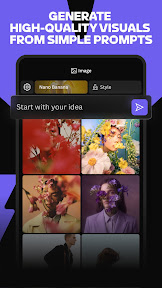
 Leonardo.Ai - Image Generator




Publisher DNA
What defines Leonardo.Ai?
AI intelligence is not yet available for Leonardo.Ai. The portfolio data below is up to date.
Portfolio
What does Leonardo.Ai ship?
Apps
1 app analysed
Cross-platform account linking preserves generation history across devices.
- High-quality image generation results provide immediate creative satisfaction for users on their first attempt
- Frequent application crashes during image generation prevent users from completing basic creative tasks
Single-market publisher, every app ships only to United States.
Based on 1 of 1 app with localized market data · last scanned .
Americas (1)
- United States1 / 1
Core markets (1/1 apps)
User Sentiment
How do users feel about their apps?
1
Positive apps
0
Neutral / mixed
0
Negative apps
65/100
Avg sentiment score
Rivals
Who does Leonardo.Ai compete with?
The rivals identified
Nemeses(1)

Both platforms target professional digital artists and filmmakers with high-fidelity generative AI, competing directly for the same creative workflow budget.
Contenders(10)


Both applications target the AI image generation market by allowing users to upload photos and apply artistic styles to their personal images.


Both platforms target professional creators with high-fidelity generative AI, competing for the same mobile-first workflow segment through freemium models.


Both applications compete for the same user base by providing AI-powered image generation and enhancement tools within the art and design category.


Both applications compete for users seeking AI-driven image generation and transformation tools, with both platforms utilizing image-to-image technology to modify user-uploaded photos.


Both platforms target content creators with AI-driven image and video generation, competing directly for the same professional and social media creative workflows.


Both apps compete for the same creative audience by offering generative image tools within the Art & Design category.


Both apps compete for the same creative user base by offering generative AI tools for visual design, with Tattooist focusing on specialized tattoo workflows while Leonardo.Ai provides general-purpose professional image generation.


Both apps target the same creative professional and enthusiast demographic by offering text-to-image and video generation capabilities within a mobile studio environment.


Both platforms target creative professionals using generative AI to accelerate asset production, though they diverge on output format: Leonardo.Ai focuses on 2D imagery and video, while Tripo specializes in 3D model generation.


CreArt competes by offering a similar text-to-image and video generation utility, targeting the same creative audience seeking mobile-first AI generation tools.
Same space(18)


Sketch Pro targets the digital illustration market, using generative AI as an auxiliary tool for anime and manga artists.


AI GPT Generator provides a simplified, text-to-video interface for users who require quick, no-code creative output.


Draw Animation provides a specialized, frame-by-frame alternative for users interested in manual storytelling rather than automated AI generation.


Canva serves as a broad-spectrum design alternative that integrates AI generation into a familiar, template-heavy workflow for non-professional users.


Vidix provides a mobile-first studio for transforming static images into 3D-style animations and viral video content.


Da Vinci Eye provides an AR-based physical drawing aid that serves as a tactile alternative to digital generative workflows.


Nexus provides a creative studio for transforming photos into dynamic videos, targeting social media enthusiasts.


VidFox specializes in portrait and pet animation, providing a lighthearted alternative for social media content creation.


Magnific targets professional creative teams with a node-based workspace that emphasizes high-volume, on-brand content production.


AIReel serves the short-form video market, using viral templates to drive rapid content creation for influencers.


Pixel Studio serves the niche sprite-art market, offering a specialized canvas that complements Leonardo.Ai's broader generative focus.


ImagineArt acts as a comprehensive design studio, offering templates for logos, stickers, and social media assets.


PixAI focuses on the anime-art segment, providing specialized training tools for character and style consistency.


MePic competes for social-first engagement by offering specialized AI face animation and sports-themed content tools.


YouCam AI Pro functions as a model aggregator, simplifying access to top-tier generative engines for content creators.


Runway competes directly for the professional AI video generation market by aggregating multiple high-end models in one application.


Vidu targets social media influencers by focusing on cinematic video generation with integrated audio matching.


starryai acts as a general-purpose image generator that prioritizes ease of use for casual creators.
New entrants(2)


Meshy AI extends generative AI into the 3D space, providing a specialized tool for creators interested in physical 3D printing.


DIY T-shirt Design focuses on product-specific AI generation, allowing users to apply art to physical merchandise.
