Deucks Pty
For android and Wear OS users seeking integrated communication, financial management, and AI-driven productivity assistance.
 Marco: Find Lost Bluetooth

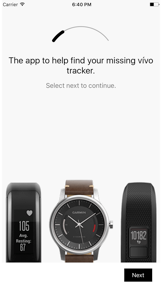


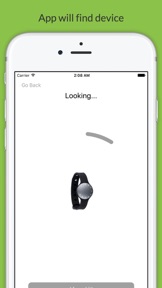


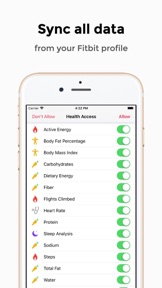
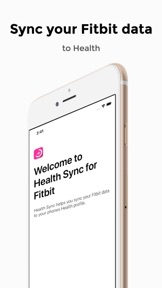


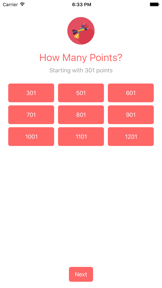
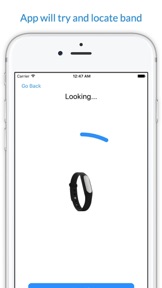

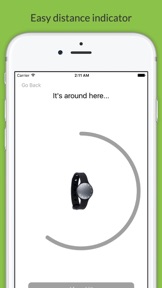






Snapshot
Who is Deucks Pty?
Delivering core Android utilities and AI-driven productivity tools to streamline communication and device management.
Target audience


Portfolio
Free 14Last updated

Marco: Find Lost Bluetooth
v4.1.0
6mo ago
Publisher DNA
What defines Deucks Pty?
Publisher DNA
Primary focus
Android ecosystem utilities and Health & Fitness trackers
Scale
studio
Target audience
Android and Wear OS users seeking integrated communication, financial management, and AI-driven productivity assistance.
Signature Patterns
- •Deep integration with Android OS and wearable hardware ecosystems
- •Predominantly free-to-use model to maximize user reach and ecosystem retention
- •Focus on high-utility tools including communication, security, and device tracking
- •Aggressive update cadence for flagship titles to support AI and RCS evolution
Portfolio momentum
The publisher maintains a high update frequency with 75 releases in the last 6 months, though activity is concentrated in 48% of the total portfolio.
Portfolio
What does Deucks Pty ship?
Apps
19 apps analysed


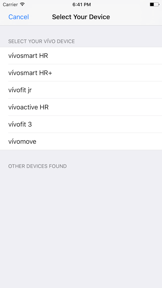
Multi-model support for legacy Fitbit series captures users of discontinued hardware.
- Core activity tracking features provide essential health data for daily fitness monitoring
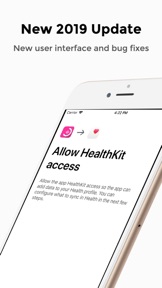
- Post-update technical regressions cause widespread sync failures and missing health data visualizations


Single-market publisher, every app ships only to United States.
Based on 5 of 19 apps with localized market data, more coverage rolling in as scans complete · last scanned .
Americas (1)
- United States5 / 5
Core markets (5/5 apps)
User Sentiment
How do users feel about their apps?
0
Positive apps
0
Neutral / mixed
1
Negative apps
20/100
Avg sentiment score
Rivals
Who does Deucks Pty compete with?
The rivals identified
Nemeses(2)


Both apps compete for users seeking to locate misplaced Bluetooth peripherals, creating direct overlap in utility and target audience.


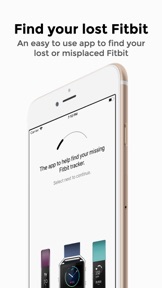
Both applications target the same user base of Fitbit owners by utilizing Bluetooth signal strength to locate misplaced hardware. They compete directly on the utility of proximity-based device recovery.
Contenders(18)


Both apps target users seeking to locate misplaced Bluetooth peripherals through signal strength and proximity detection. They compete for the same audience segment requiring hardware recovery tools on iOS.


Both apps target users needing to locate misplaced Fitbit hardware using Bluetooth signal strength. The rival competes by removing the $3.99 upfront cost and login requirements present in Finder for Fitbit.


Find My Fitbit - Finder App competes for Fitbit owners using a gamified proximity search that persists despite a long development hiatus.


Both applications target the same niche of Fitbit users with identical $3.99 pricing and core Bluetooth radio signal detection functionality.


Both apps target users seeking to locate misplaced Bluetooth peripherals via signal strength detection. The rival competes directly through a free pricing model and a significantly larger user base.


Both apps target users needing to locate misplaced Bluetooth wearables, creating direct competition for the same user intent despite the difference in hardware focus.


Both apps target users searching for misplaced Bluetooth peripherals using signal strength indicators. They compete for the same utility-seeking audience on the iOS platform.


Both apps target users seeking to locate misplaced Bluetooth peripherals via signal strength detection. The rival competes by offering a free, ad-supported alternative to the paid model of Bluetooth Finder.


Both apps provide Bluetooth signal detection to locate misplaced hardware, but the rival expands the addressable market by supporting AirPods and headphones instead of limiting utility to Fitbit devices.


Both apps target users needing to locate misplaced Bluetooth hardware using signal strength and radar. They compete directly for the same utility-seeking audience despite differences in device compatibility and pricing models.


AnyFind competes by offering a free, multi-device Bluetooth scanning utility that covers the same wearable hardware category as Finder for Fitbit, directly challenging the paid-upfront model.


Both apps target users searching for misplaced Bluetooth peripherals using signal strength and proximity detection.


Both apps target the same user base by utilizing Bluetooth signal strength to locate misplaced wireless peripherals. They compete directly on the utility of proximity-based device tracking.


Both apps function as Bluetooth-based device recovery utilities, competing for users seeking to locate misplaced hardware via signal strength and radar interfaces.


Both apps target the same user base seeking to locate misplaced Bluetooth peripherals via signal strength detection.


Both applications target users attempting to locate misplaced Bluetooth peripherals through signal strength detection and proximity tracking.


Both applications target the same user base of Fitbit owners by utilizing Bluetooth radio signatures to locate misplaced hardware. The rival competes directly on the core utility of device recovery while removing the upfront cost barrier present in the target app.


Both apps target iOS users seeking to locate misplaced Bluetooth peripherals using signal strength triangulation and proximity detection.
Same space(28)

This app shares the same target audience but adds communication features beyond simple proximity tracking.


It addresses the same proximity-finding need with a more feature-rich interface than the basic Bluetooth Finder.


This app targets the same user base but creates high friction with a subscription gate after a single scan.


Wunderfind serves the same device-locating audience as Bluetooth Finder but captures higher market share through a free, broad-compatibility model.


This app focuses on the same earbud-locating audience but includes additional navigation tools.


It targets the same audience of users misplacing Apple and Bluetooth peripherals with a simple distance-hint interface.


This app competes for the same audience of users misplacing personal electronics by offering a simple signal-strength tracking interface.


It targets the same user base by providing a visual radar for locating misplaced Apple hardware.


It offers technical analysis for the same Bluetooth-focused audience but is now a legacy tool due to lack of updates.


This app provides a similar proximity-based tracking utility for the same audience without monetization gates.


Find Air provides a multi-device tracking radar that includes Fitbit hardware alongside other common Bluetooth accessories.


This app serves the same device-recovery audience but differentiates through automatic device prioritization.


Power Sync offers a specialized bridge for Fitbit data into Apple Health, focusing on privacy and single-click integration.


This scanner provides a similar utility for developers and general users but lacks the focus of a dedicated consumer tracker.


Bluetooth BLE Finder & Tracker offers a basic scanning utility for BLE devices, providing distance estimation for users searching for lost wearables.


Bluetooth Scanner, Find Device acts as a general-purpose radar for Bluetooth-enabled belongings, competing for the same user intent as specialized Fitbit tools.


Device Finder: Phone & Fitbit focuses on favorites management and proximity tracking to help users recover lost wearables like Fitbits.


Air Bluetooth Finder & Scanner offers a radar-based discovery tool for Bluetooth hardware, though it lacks updates for modern OS protocols.


Ble Scanner Bluetooth Finder audits local signals to help users recover accessories, though it struggles with detection in crowded environments.


This app addresses the same need for locating lost peripherals but emphasizes the urgency of searching before sleep mode.


Fitbit to Health Sync Solver focuses on data synchronization rather than hardware recovery, serving users who want to bypass the primary Fitbit application.


It targets the same proximity-tracking audience but suffers from severe billing friction and functional failure.


Find My Fitbit ++ targets the same Fitbit-specific user base but suffers from technical regressions and aggressive subscription gating.


BLE Finder: Air Device Tracker provides a visual proximity guide for misplaced accessories, though it gates advanced features like location history behind a subscription.


It targets the same device-locating market but suffers from poor performance and reliability issues.


Air Tracker, Erkennung provides a map-based recovery utility for misplaced Bluetooth devices, including fitness trackers and smartwatches.


Find My Device & Track Friends combines device tracking with social location features, targeting users in crowded environments like train stations.


It targets the same device-finding audience but uses a high-cost subscription model for expert tips.
The Analyst's Read
The bottom line on Deucks Pty
Bottom line
Deucks Pty Ltd is a strategically significant studio providing the functional backbone for Android users. Their transition toward AI-first utilities suggests a focus on long-term platform dominance over immediate monetization.
Frequently asked questions
How many apps does Deucks Pty publish?
What kind of apps does Deucks Pty make?
What is Deucks Pty's top app?
In how many countries are Deucks Pty's apps available?
What fed this analysis
- Apps analyzed:
- 27
- With full intel:
- 10
- With overview:
- 27
- Website scraped:
- yes
- Social presence:
- no