


GO
For commuters, business travelers, and residents in Japan requiring reliable, on-demand point-to-point transportation.
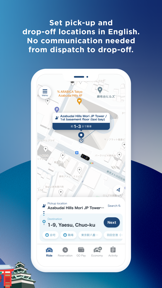
 GO / Taxi app for Japan visit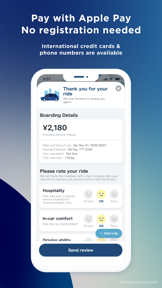




Snapshot
Who is GO?
Providing a comprehensive, nationwide taxi-hailing platform for commuters and travelers across Japan. The service integrates real-time vehicle tracking and in-app payment to streamline urban mobility.
Target audience


Portfolio
Free 3Last updated

GO / Taxi app for Japan visit
v10.4.0
2mo ago
Publisher DNA
What defines GO?
Publisher DNA
Primary focus
On-demand mobility and taxi-hailing services
Scale
indie
Target audience
Commuters, business travelers, and residents in Japan requiring reliable, on-demand point-to-point transportation.
Signature Patterns
- •Focus on nationwide coverage across all Japanese prefectures
- •Integration of in-app payment and taxi type selection
- •Utility-driven UX centered on real-time vehicle tracking
- •Free-to-use model for end-users
Portfolio momentum
The publisher maintains a high development cadence with 11 releases in the last 6 months for their primary mobility platform.
Portfolio
What does GO ship?
Apps
3 apps analysed

Analysis in progress


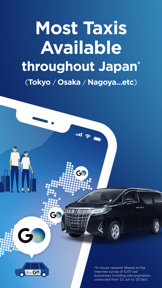


Comprehensive coverage across all 47 prefectures
- Foreign travelers find the app essential for navigating Japan without needing local language skills
- Payment method rejection errors prevent users from booking rides and force reliance on alternative apps
Distributed across 3 markets, strongest in Americas.
Based on 2 of 3 apps with localized market data, more coverage rolling in as scans complete · last scanned .
Americas (1)
- United States2 / 2
Asia-Pacific (2)
- Japan1 / 2
- South Korea1 / 2
Core markets (2/2 apps)
User Sentiment
How do users feel about their apps?
0
Positive apps
1
Neutral / mixed
0
Negative apps
55/100
Avg sentiment score
Rivals
Who does GO compete with?
The rivals identified
Nemeses(1)


k.ride provides a global platform for Kakao Mobility, allowing international travelers to request rides in Japan without needing local apps.
Contenders(5)


GOJO competes for the same international traveler segment by offering e-hailing and airport transfer services, directly overlapping with the target app's core utility for tourists in Japan.


S.RIDE competes for the same Tokyo-based taxi-hailing audience as GO, offering a one-swipe dispatch mechanism that directly challenges GO's market share in the capital.


Both apps serve the same high-value tourist segment requiring reliable, cashless taxi transportation in major global cities, creating a shared expectation for transparent, digital-first booking experiences.


TokyoMusen competes for the same Tokyo-based taxi-hailing audience by offering a zero-fee booking model, directly challenging the transaction-based service charges that drive negative sentiment in the GO app.


Both apps target international travelers requiring ride-hailing services in foreign markets, creating a direct overlap in the tourist-focused transportation segment.
Same space(12)


Bolt offers multi-modal transport options like scooters and e-bikes, serving as a broader urban mobility alternative to the taxi-focused model.


Careem acts as a regional super-app in MENA, bundling financial services and delivery to drive retention, which contrasts with the single-vertical taxi focus.


DiDi Rider focuses on affordable, multi-service mobility, competing for cost-conscious users who might find current pricing opaque.


Ego offers a ride-hailing service focused on affordability and safety, providing a direct alternative for users seeking standard taxi-like transportation.

known for
Gett targets business professionals with corporate ground travel management, serving as a specialized B2B alternative to general consumer taxi services.


Heetch operates in Europe and Africa with a flexible pricing model, offering an alternative for users seeking negotiable fares.


Japan Transit Planner offers comprehensive transit planning for Japan, serving as a planning utility for travelers.


Yandex Go aggregates food delivery and retail with transit, creating a high-frequency utility that competes for the same user screen time.


Japan Travel combines transit planning with local guides, serving as a comprehensive travel assistant that complements taxi-hailing functionality.


TfL Go provides official transit data for London, acting as a specialized navigation tool that serves the same planning purpose for public transport.


Uber provides a global multi-modal network that captures transit intent, serving as a direct substitute for international travelers.


Yango targets emerging markets with a multi-car booking mechanic that allows users to manage complex routes, contrasting with the domestic focus.
New entrants(1)


THROO provides ride-hailing services with a focus on peak-hour availability, competing for the same urban commuter segment.
The Analyst's Read
The bottom line on GO
Bottom line
GO Inc. is a highly focused mobility provider that has successfully captured the Japanese taxi market through extensive regional partnerships. Their intense update velocity suggests a mature, high-maintenance product lifecycle aimed at maintaining operational reliability.
Frequently asked questions
How many apps does GO publish?
What kind of apps does GO make?
What is GO's top app?
In how many countries are GO's apps available?
What fed this analysis
- Apps analyzed:
- 1
- With full intel:
- 0
- With overview:
- 1
- Website scraped:
- yes
- Social presence:
- yes
