
HAPPN
For singles seeking real-life connections based on shared physical locations and daily routines.
 happn: dating app




Snapshot
Who is HAPPN?
Connecting people through real-life geographical proximity and shared daily routines to facilitate authentic local dating.
Target audience


Portfolio
Free 1Last updated

happn: dating app
v2026.7.0
6mo ago
Publisher DNA
What defines HAPPN?
Publisher DNA
Primary focus
Hyper-local dating and lifestyle services
Scale
indie
Target audience
Singles seeking real-life connections based on shared physical locations and daily routines.
Origin
Operating since 2014 with a focus on reinventing how people meet in their daily lives.
Signature Patterns
- •Geographical proximity-based matching mechanics
- •Freemium monetization model with tiered premium subscriptions
- •High-frequency update cycle for a single-app portfolio
- •Focus on 'real-life' interaction over traditional swiping
Portfolio momentum
Maintains an intense development pace with 11 updates in the last 6 months for its flagship title, including a major release within the last 4 days.
Company profile
medium confidence- Founded
- 2014
Portfolio
What does HAPPN ship?
Apps
1 app analysed

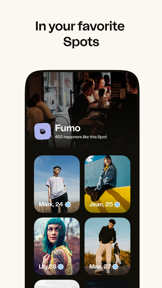
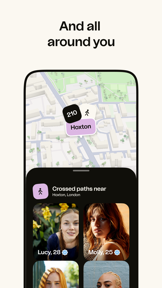
Gamified CrushTime engagement
- Ease of Use
- Users report: Fake Profiles and Bots
User Sentiment
How do users feel about their apps?
0
Positive apps
0
Neutral / mixed
1
Negative apps
18/100
Avg sentiment score
Rivals
Who does HAPPN compete with?
The rivals identified
Nemeses(1)

Meet5 competes for the same casual social audience by shifting the focus from proximity-based matching to activity-based group interactions. This approach directly targets the user base currently experiencing friction with individual matching models.
Contenders(3)


Both platforms target singles seeking relationships, competing directly for the same user base through contrasting monetization models: happn utilizes a freemium proximity-based approach, while Finya offers a fully free, ad-supported experience.


Glimr competes for the same singles audience by offering a narrative-focused alternative to the proximity-based matching model used by happn.


Both apps compete for the same dating market, but Uniee targets users dissatisfied with mechanical matching by prioritizing detailed profiles and conversational context.
Same space(4)


Hugmi acts as a direct social discovery competitor that targets the same romantic and friendly connection segment as happn but emphasizes a broader, mood-based matching approach.


HalaMe serves as a social alternative for users seeking real-time interaction, utilizing voice verification to address the bot-driven spam issues that currently plague the happn experience.


Love Counter functions as a post-match utility for couples, capturing the long-term relationship segment that happn users might transition to after finding a connection.


Lavo competes for the same dating audience as happn by prioritizing face-to-face visual interaction to establish authenticity, addressing the trust concerns found in text-heavy dating apps.
The Analyst's Read
The bottom line on HAPPN
Bottom line
HAPPN SAS is a single-product publisher that has successfully defended a hyper-local niche against global dating giants for over a decade. Their long-term viability depends on resolving current user sentiment issues while maintaining their unique proximity-based value proposition.
Frequently asked questions
How many apps does HAPPN publish?
What kind of apps does HAPPN make?
What is HAPPN's top app?
What fed this analysis
- Apps analyzed:
- 1
- With full intel:
- 1
- With overview:
- 1
- Website scraped:
- yes
- Social presence:
- yes
