
iEnd Software Development
 Hebrew Calendar - הלוח העברי

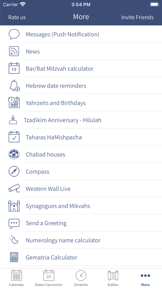
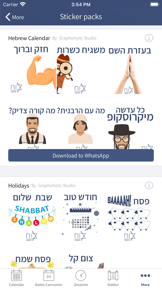


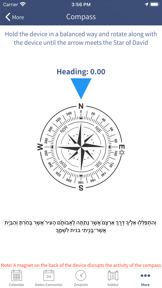
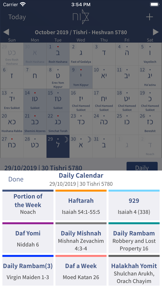



Publisher DNA
What defines iEnd Software Development?
AI intelligence is not yet available for iEnd Software Development. The portfolio data below is up to date.
Portfolio
What does iEnd Software Development ship?
Apps
1 app analysed
Deep offline functionality creates high switching costs for daily users
- Utility accuracy
- Ad frequency
Tightly focused on 2 markets (France, United States).
Based on 1 of 1 app with localized market data · last scanned .
Americas (1)
- United States1 / 1
Europe (1)
- France1 / 1
Core markets (1/1 apps)
User Sentiment
How do users feel about their apps?
1
Positive apps
0
Neutral / mixed
0
Negative apps
85/100
Avg sentiment score
Rivals
Who does iEnd Software Development compete with?
The rivals identified
Nemeses(1)

Both apps compete for the same daily religious utility market by offering overlapping prayer texts, Zmanim, and location-based services to Jewish users. They directly vie for the same user base through identical core functionality.
Contenders(10)


Both apps target the Jewish prayer time market, competing for the same user base through specialized Halachic time calculation and location-based alerts.


Simple Siddur competes for the same daily prayer user base by offering a free, multi-Nusach prayer text library that directly overlaps with the core religious utility functionality of Hebrew Calendar.


Both apps target observant Jewish users with overlapping core utilities like Zmanim and prayer texts, competing for the same daily-use habit.


Both apps target observant Jewish users requiring daily Zmanim and calendar conversion, creating direct competition for the same religious utility user base.


Both apps target Jewish users needing Zmanim and calendar data, creating direct competition for daily religious utility usage.


Both apps target Jewish users requiring Zmanim and calendar synchronization, creating direct competition for daily religious utility usage.


Both apps compete for the same daily user base by providing offline access to prayer texts and religious utilities. They overlap directly in the Jewish prayer book category, targeting individuals who require reliable access to Siddur and Tehillim content.


Both apps target the observant Jewish community with daily religious utilities like Zmanim and prayer texts, creating direct competition for daily active usage.


Both apps target the Jewish prayer market by providing digital access to daily liturgy and religious timing, creating direct competition for daily active users.


Both apps target users seeking Jewish holiday dates and Shabbat times, creating direct competition for the same religious utility audience.
Same space(15)


Consolidates prayer and calendar resources into a single interface, competing for the same daily user habit.


Offers a digital version of an annotated prayer book for portable use.


Provides date conversion and religious scheduling for Jewish users.


Supports diverse liturgical traditions in a single digital prayer book.


Targets a specific Sephardic sub-segment with high-fidelity Halachic rulings.


Acts as a reference for prayers and hymns.


Integrates religious dates into watch hardware for glanceable access.


Provides religious timing and event tracking for a different faith community.


Provides traditional calendar and astrological data for a different cultural community.


Offers traditional Hindu calendar data for a different cultural demographic.


Offers minimalist timing tools for Shabbat observance.


Uses analog clock visuals to track variable religious hours.


Provides prayer times and countdown timers for daily religious observance.


Offers Hebrew date conversion tools but lacks recent updates to maintain accuracy.


Provides automated prayer reminders for specific religious times.
New entrants(2)


Serves as a study companion for building a prayer practice.


Combines Zmanim, Mikvah calendars, and prayer guides into one reference tool.
