Jess Taylor
 Epicenter - Earthquake Map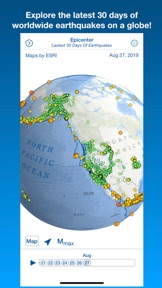


Snapshot


Publisher DNA
What defines Jess Taylor?
AI intelligence is not yet available for Jess Taylor. The portfolio data below is up to date.
Portfolio
What does Jess Taylor ship?
Apps
6 apps analysed


Offline-first architecture ensures accessibility in low-connectivity environments
- Interactive map-based storytelling creates a distinct user experience

Single-purpose design ensures high accessibility for quick demonstrations
- Specialized geological mapping mechanism provides immediate scientific context

GeoJSON export enables professional research workflows
- Dataset integrity via Stanford-managed source material
Single-market publisher, every app ships only to United States.
Based on 4 of 6 apps with localized market data, more coverage rolling in as scans complete · last scanned .
Americas (1)
- United States4 / 4
Core markets (4/4 apps)
User Sentiment
How do users feel about their apps?
1
Positive apps
0
Neutral / mixed
0
Negative apps
90/100
Avg sentiment score
Rivals
Who does Jess Taylor compete with?
The rivals identified
Nemeses(4)

Kinfolk competes by offering a high-fidelity, immersive historical experience that targets the same educational curiosity as Polis Inventory.


Both apps utilize USGS and EMSC data to provide seismic monitoring, creating direct competition for users seeking earthquake awareness.


It competes for the same educational budget and classroom time by offering specialized sensor-based analysis tools for students.


This app competes directly by offering a broad, location-aware historical database that serves the same 'travel-as-learning' audience as The Athenian Long Walls.
Contenders(13)


This app competes for the same academic-leaning user base interested in specialized, archaeological, and historical data retrieval.


Both apps focus on the digital preservation and spatial visualization of historical geographical data for educational purposes.


Both applications target seismic enthusiasts with free, map-centric tools for tracking global earthquake activity. They compete directly for users seeking real-time seismic data visualization.


Both apps target users monitoring seismic activity using USGS and EMSC data, creating direct competition for users seeking real-time earthquake awareness.


This app serves as a direct competitor for site-specific digital guides, focusing on a single historical location.


Both apps target users monitoring seismic activity, with LastQuake providing real-time alerts and Epicenter offering historical 3D visualization.


This app targets the same demographic of cultural tourists who prefer self-guided, audio-narrated historical exploration.


Both apps target users interested in seismic activity, with overlapping functionality in global earthquake tracking and map-based visualization.


Both apps target seismic monitoring enthusiasts with free, data-driven interfaces for tracking global earthquake activity.


Both apps target geology enthusiasts and seismic activity trackers, competing directly for users seeking real-time earthquake data and visualization.


This app captures the academic segment of the history education market, competing for students who require structured, curriculum-aligned content.


It competes by utilizing AR as a medium for historical and cultural storytelling, directly overlapping with Hannibal Barca's presentation style.


Both applications target individuals monitoring global seismic activity through free, data-driven interfaces that visualize USGS and EMSC earthquake events.
Same space(16)


Both apps serve the educational niche by providing structured, fact-based historical content to students and history enthusiasts.


It shares the 'specialized travel guide' space by providing deep, expert-level information on a specific subject.


While focused on lifestyle, it competes for the user's time and attention in the travel and exploration category.


This app appeals to the same visualization-focused audience by offering high-fidelity 3D climate data rendering.


It competes for the educational market by using simulation-based learning to teach historical and political concepts.


This app serves the same seismic monitoring audience by providing real-time alerts and filtering tools.


It competes for the interest of architecture-focused travelers who use mobile apps to discover historical sites.


This app serves a hyper-local subset of the seismic monitoring audience by focusing on Istanbul-specific geological risks.


While focused on chemistry, it competes for the same 'Education' category attention and classroom utility as a specialized tool.


This app competes for the same geoscience enthusiast segment by offering deep historical data and 3D globe views.


It serves the same educational market by providing a utility-based tool for solving specific scientific problems.


This app targets the same safety-conscious user base but focuses on early warning systems via government-backed data.


This app provides detailed historical and mythological explanations, competing for the same 'ancient history' interest group.


This app shares the goal of global seismic awareness while prioritizing user privacy through non-GPS tracking.


It serves as a direct alternative for users seeking deep-dive historical content libraries within the education category.


It occupies the same educational niche by providing interactive content focused on geological and earth science concepts.
New entrants(4)


Time Traveler competes by offering a location-aware historical discovery experience that complements the target's static inventory.


This newcomer threatens the target by applying modern, short-form social media consumption patterns to historical education.


A new entrant in the education category that uses a utility-first approach to solve specific student pain points.


A new educational app that uses simulation and gameplay to teach complex concepts, similar to iTemblor's interactive model.